
Self-Drive Car Rental in Egypt: Plan the Return and Document the Handover
Returning a rental car deserves its own place in your plans. The last journey is only one part of the process: you also need the agreed handover point, time to review the vehicle, your collection record and a clear understanding of who receives the keys. A photograph of a parked car does not, by itself, show that the rental company has accepted its return.
This guide to self-drive car rental in Egypt focuses on closing the rental in an organised way. It explains what to prepare, how to compare the car with its collection record and which details to ask Limousine Cairo to confirm. Fuel requirements, mileage arrangements, changes and any financial follow-up depend on your agreement, so keep the confirmed instructions for your booking close at hand.
Self-drive car rental: returning the car is part of your agreement
Start with the return details already recorded for your booking. Check the date, time, location and contact arrangements together, rather than relying on a remembered conversation about the final day. Identify any information that is still missing while you have time to ask about it. The aim is to arrive knowing what will happen next, not to discover the handover procedure after your final journey.
The Limousine Cairo car collection distinguishes self-drive rental from travel with a driver. Ask which vehicle and service arrangement can be confirmed for your dates. A model appearing in the catalogue does not establish its availability for a particular self-drive booking or its return conditions. If you are still preparing for collection, the self-drive collection checklist explains the start of the process; here, that initial record becomes your reference at the end.
Confirm your rental car return time and location
Write the return appointment as a complete instruction: the calendar date, agreed time, full address and precise meeting point. A district name or a building name can be too broad, especially where several entrances serve the same destination. Ask whether the car should enter a particular parking area or meet the recipient outside, and confirm how you should make contact on arrival. If your onward flight departs after midnight, check the calendar date carefully; the flight time is not the car return appointment.
Allow room in your personal schedule for the journey and the handover as separate activities. An appointment immediately after the planned arrival leaves little flexibility for finding the correct entrance or reviewing the car. This is a planning consideration, not a promise about how long the company’s inspection will take. Ask for the expected arrangement and organise your next commitment accordingly.
If the return time changes, request an amendment before travelling
An earlier finish or a later departure can change when you want to return the car. Explain the requested change to the booking contact and wait for a clear response. Sending a message does not establish that a new appointment, extension or location has been accepted. Keep the distinction between your request and the confirmed arrangement visible in your notes.
If you expect to be late, contact the company as soon as you can safely do so. Give a realistic update and ask which next step applies to your booking. Do not assume a grace period, automatic extension, reduction for an early return or unchanged financial terms. The same principle matters when your own car leaves a workshop sooner or later than expected; the guide to car rental while your vehicle is being repaired covers planning around that uncertainty.
Confirm the handover point and authorised recipient
Knowing where the car goes is different from knowing who can receive it. Ask how the authorised recipient will be identified and which contact you should use if that person is unavailable. A nearby attendant, reception desk or security team should not be treated as an approved recipient simply because they work at the building.
Check any access arrangements with the relevant location. Permission to park does not necessarily mean that a rental handover can take place there. If you are asked to use a different meeting point, confirm the instruction with your established booking contact before changing course. Never assume that leaving the vehicle and dropping off the keys completes the return unless that procedure has been specifically agreed.
Prepare your collection record for the return comparison
Bring together the agreement, any collection notes, photographs and relevant messages before the return appointment. Put them in an order that lets you find the front, rear, sides, cabin and any previously recorded marks without searching through an entire trip’s photographs. Keep original files where possible and retain a copy you can access independently of the car.
Use those records to compare the same areas under reasonably clear viewing conditions. A reflection or a different camera angle can make a surface look different, so avoid drawing conclusions from one image alone. If a feature is unclear, identify the location precisely and ask to review it together. Your record supports a useful discussion; it does not replace the company’s inspection, establish an outcome or automatically resolve a disagreement.
Also review messages about changes or concerns raised during the rental. Group them by subject and do not interpret silence as approval. If you reported something but never received a clear next step, include it among your handover questions so it remains visible in the review.
Fuel and mileage at rental return: follow your agreement
Read the fuel and mileage arrangements that apply to your booking instead of assuming a universal rule. If you cannot identify the required fuel level or how mileage is assessed, ask before making the final journey. Confirm the suitable fuel for the particular vehicle through its instructions and the rental contact; do not guess from the car’s appearance or another model you have driven.
With the car safely parked, record the relevant dashboard readings clearly. Distinguish the total odometer reading from the trip counter and the estimated remaining range; ask which reading is being reviewed rather than resetting a counter or changing an unfamiliar display. Keep any useful receipts with your rental records. A dashboard photograph can show a reading, but it does not explain the agreement behind it or prove that every condition has been met. Ask for clarification if the recorded figures appear inconsistent. Ask which fuel and mileage terms apply to your booking and how any difference will be reviewed at return.
Record the exterior condition safely with the car parked

Choose a safe, permitted stopping place before taking photographs. Walk around the car only where it is safe to do so, keeping clear of moving traffic and neighbouring vehicles. Take wider views that show each side and closer views of any area you want to discuss. Include visible wheels, doors, bumpers and glass without attempting an inspection that requires tools, crawling beneath the vehicle or entering a restricted space.
Review the images before leaving: blur, deep shadow and strong reflections can hide the detail you intended to record. Where practical, use viewpoints similar to those in the collection record. If you notice a new concern, report it plainly rather than trying to conceal or repair it before handover. Ask for the appropriate next step and keep the report with the return record.
Sedan car rental: check the boot and seats at return

For a rental sedan, make a deliberate final pass through the boot and cabin. Small items can remain in door pockets, seat pockets or storage areas even after the main suitcases have been removed. Check the spaces you actually used, including beneath loose personal bags, while avoiding any dismantling of trim or vehicle equipment.
Review visible door edges, seats and boot trim against the collection notes if those areas were documented. Do not assume that two sedans have identical storage layouts or accessories. Ask about anything unfamiliar in the specific car. A practical return check follows the vehicle you received, not a generic specification for a named model, and separates your belongings from items that belong with the rental.
SUV rental: review used spaces before handover

An SUV may have been used differently from a sedan during the same trip. Think back to where you placed shopping, coats, travel bags and any removable items. Check the luggage area and other accessible storage you used, rather than assuming that empty visible seats mean the entire vehicle is clear. Only operate seats or storage features as instructed for that vehicle.
If you adjusted an authorised seating arrangement or used an accessory supplied with the car, ask how it should be presented at return. Do not force unfamiliar mechanisms or infer a seating capacity from the SUV label. Vehicle category, equipment and self-drive availability need confirmation for the particular booking. The useful distinction here is the space you need to review, not an unsupported claim that one category is easier to return.
Remove belongings and review personal data before handover
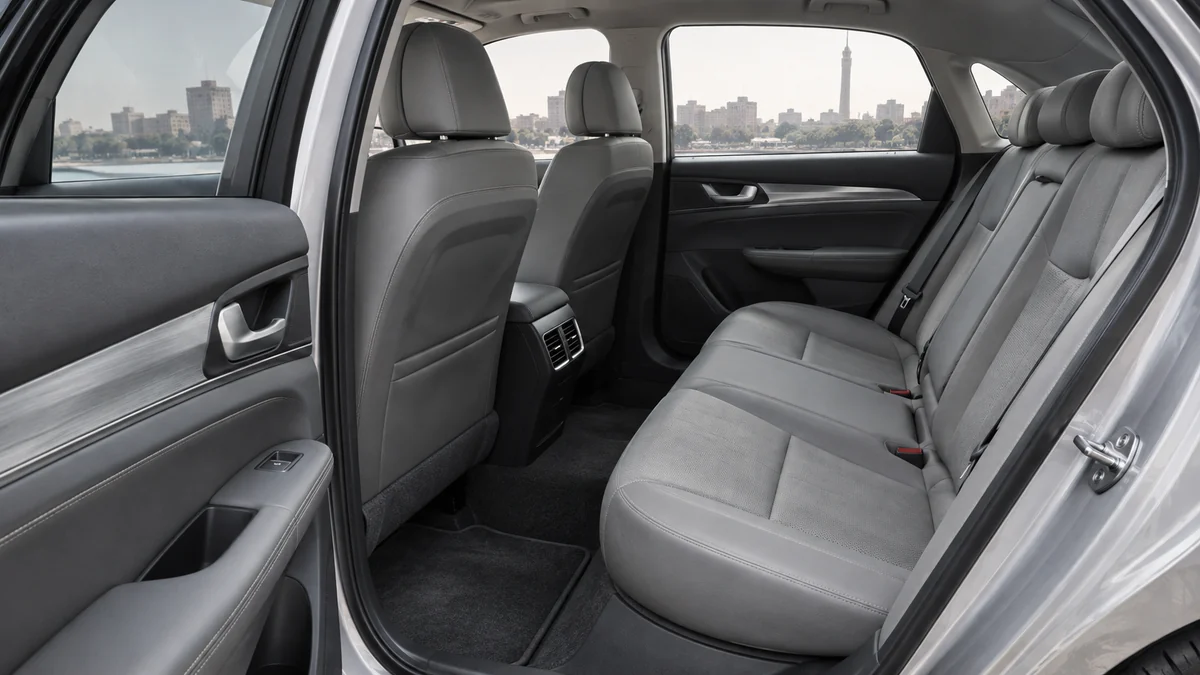
Check for documents, payment cards, medication, glasses, charging leads and children’s belongings before you hand over the keys. Keep your agreement and return records with you rather than leaving them among vehicle papers. A second look through the cabin is particularly useful when several passengers have used different seats and storage spaces.
If you connected a personal device, review any saved pairing, contacts or destinations using the vehicle’s normal user controls and instructions. Remove your own information where the system allows, and ask for help if you are unsure. Avoid broad resets that could affect vehicle settings or other data. Disconnect personal cables and check that the final bag you remove contains your belongings rather than an accessory supplied as part of the rental.
Hand over the recorded keys and accessories
Use the collection record to identify which keys, documents and accessories came with the car. Lay out the relevant items for review without removing fitted vehicle equipment. If an item cannot be found, say so and ask how it should be recorded. Do not substitute a different item or assume that a missing accessory is insignificant.
Make the actual key handover clear. Ask the authorised recipient to confirm receipt through the normal procedure used for your booking. If the person or procedure differs from what you expected, resolve the uncertainty with the booking contact before leaving. Your own note of the time is useful context, but it should accompany, rather than stand in for, confirmation that the correct person received the vehicle and its recorded items.
A difference appears during inspection: record it and ask for clarification
If you and the recipient understand a detail differently, identify the specific issue and compare the available records together. Describe the location and visible condition without guessing when or how it arose. Ask which collection note, photograph or agreement provision is relevant and request a clear explanation of the next step.
Read any handover statement before acknowledging it. If wording does not reflect your understanding, ask for clarification and for the point of disagreement to be recorded through the available process. Keep copies of the material you receive. This guide cannot decide responsibility or promise a particular resolution; its purpose is to help you preserve a clear account rather than leave an important issue as an unrecorded conversation.
Request a return record and identify outstanding steps
Ask what document or confirmation records the return, and check the details it contains. Useful points to clarify include the vehicle, date and time, recipient, items handed over and any observations still requiring follow-up. Correct a mistaken detail promptly through the established contact instead of assuming it will be understood later.
Distinguish receipt of the vehicle from completion of every administrative or financial step. If your agreement involves a deposit, security arrangement or later reconciliation, ask which process applies and how you will be informed. Do not infer a refund date, deduction or final balance from the key handover alone. Keep the agreement, evidence and correspondence together until the relevant outstanding matters have been clarified.
If someone else will return the car for you, first confirm that the arrangement is acceptable and ask what the company requires. Give that person the necessary handover information and establish how the return record will reach you. Carrying the keys does not automatically authorise someone to complete every step on the booking holder’s behalf.
Plan your onward journey after returning the car
Once the keys are handed over, you still need a way to reach your next destination. Arrange that journey around the confirmed handover point, rather than around an assumed collection service. If you need a car with a driver for the onward journey, discuss it as a separate request with its own location, timing, passengers and luggage.
A flight, train or work appointment adds a second deadline to the day. Allow for travel and the return procedure without treating either as guaranteed to take a fixed time. Tell the booking team about a relevant constraint when discussing the arrangements, and confirm what is actually possible. Returning a self-drive car does not automatically include a transfer, waiting vehicle or luggage storage.
Choose an onward pickup point that does not obstruct the review or leave you carrying luggage an impractical distance. If children or someone needing assistance will accompany you, arrange who stays with them during the handover. Confirm any additional help you need rather than assuming it is included.
A quick checklist before, during and after handover
| Stage | Prepare or check | Clarify with the rental contact |
|---|---|---|
| Before the final journey | Agreement, collection record, return address and onward plan | Confirmed time, meeting point and any requested amendment |
| Safely parked | Exterior photographs, readings, belongings and recorded accessories | Any unclear condition or instruction |
| At handover | Joint comparison, keys, items and written observations | Authorised recipient and evidence of receipt |
| After handover | Keep the return record and relevant correspondence | Outstanding administrative or financial steps, if applicable |
Use the table as a prompt, not as a replacement for your agreement. If a row does not apply, leave it out; if your booking includes a specific requirement, add it. The most useful checklist is one that reflects the actual car and confirmed arrangements without introducing conditions that were never agreed.
Hypothetical example: returning the car before a work appointment
An employee has arranged to return a self-drive car before attending a work appointment. Instead of treating the return time as the moment they can leave for the meeting, they plan separately for the drive to the handover point, review of the car and onward travel. When the work appointment changes, they ask whether the return arrangement can be amended and wait for confirmation.
At the agreed location, the employee parks safely, checks the cabin and compares photographs with the collection record. They review any observations with the authorised recipient, hand over the recorded items and ask which confirmation records the return. They keep a note of what has been completed and what still needs a response. If the discussion runs longer than planned, they update the work appointment rather than leaving an unclear issue unresolved. This example illustrates planning only; it assumes no particular inspection duration, collection service or deposit outcome.
A message to confirm your rental car return
I would like to confirm the return of my rental car, [vehicle or booking reference], on [date] at [time], at [full address and meeting point]. Please confirm the authorised recipient and contact arrangement. [Describe any requested change.] Could you clarify the fuel, mileage and recorded accessory requirements for my booking, how the condition will be reviewed, and what confirmation I should receive at handover?
Add the reference used by the booking team and any requested change, without sending unnecessary personal documents. Keep the latest confirmed summary and share it with whoever will attend. An unanswered question should remain an open point, not an assumed agreement.
For Limousine Cairo enquiries, use the main WhatsApp contact or call 01118974446, 01118974448 or 01118964445. Keep the reply with your booking details and distinguish any open request from an accepted amendment.
Conclusion: close the rental with a clear record
A well-organised return brings together the confirmed appointment, the collection record, a safe condition review and an identifiable key handover. Remove your belongings, check the recorded accessories and ask what remains outstanding. For self-drive car rental in Egypt, clarity comes from the agreement and confirmed instructions for your booking, supported by useful records rather than assumptions.
Frequently asked questions
Can I return the rental car early without arranging it?
Request an earlier return and confirm the appointment and any effect on your agreement. Do not assume that arriving early changes the rental terms or means an authorised recipient will be available.
What should I do if I expect to miss the return time?
Contact the established rental contact as soon as it is safe, explain your expected timing and ask for the applicable next step. A message alone does not confirm an extension or revised terms.
Are photographs enough to prove that I returned the car?
Photographs support a condition record, but they do not by themselves confirm acceptance of the car or keys. Follow the agreed handover procedure and request evidence of receipt from the authorised recipient.
Must I fill the fuel tank before returning the car?
Follow the fuel arrangement recorded for your booking. If it is unclear, ask before the final journey. Do not assume that every rental requires a full tank or follows the same fuel arrangement.
How do I know the return process is complete?
Ask for the return confirmation and an explanation of anything still outstanding. Receipt of the vehicle and completion of later administrative or financial steps may be separate matters under your agreement.