Rent a Car in Egypt: Confirm the Model and Equipment Before Booking
A car photograph can give you a clear preference before you have a clear booking request. You like the colour, recognise the badge and imagine the car on your journey. The useful next step is to connect that choice to the actual vehicle being proposed: its model, year, configuration and any detail your passengers genuinely need.
When you rent a car in Egypt, a precise question helps more than a longer list of attractive features. This guide explains how to distinguish the description you requested from the answer you received, identify what remains unresolved and review a proposed alternative. It focuses on confirming the car before booking; it does not replace the separate arrangements for collecting or using it.
Rent a car around what you need, beyond the photograph
Start with the part of the journey that the vehicle must support. You may prefer a particular exterior, while the passenger actually needs a certain way to reach the rear seat. Those are different questions. Describe the practical requirement in ordinary language so the booking team can consider it against a proposed car rather than interpret the photograph for you.
Keep the initial request separate from the response. Sending a model name expresses your choice; receiving a reply about that choice gives you information to assess. Work through the reply before deciding that every part of the request has been covered. This makes the conversation clearer without requiring you to learn a manufacturer’s complete range or decode every badge.
Identify the requirement the journey depends on
Choose the detail that would change your decision if it were unsuitable. For example, a passenger may need to reach the rear seat through a side door without moving a front seat. Describe that requested access directly, along with the normal seating arrangement needed by the people travelling. Avoid replacing it with a general phrase such as a roomy car.
Ask whether the actual vehicle proposed can meet that requirement. The answer needs to address the passenger’s use, not merely describe the car as suitable for families or business travel. If the point remains unclear, identify the missing explanation before treating the vehicle as an agreed choice.
Separate a preferred colour or appearance from an essential need
Decide which details you are willing to discuss. A light exterior or a particular marque may be your preference, while rear-seat access is essential. Keeping those priorities distinct helps you assess an answer that meets one but leaves another unresolved. It also helps you explain an acceptable alternative without asking the team to guess what matters most.
A colour can itself be essential to your purpose. If so, state that clearly rather than calling it a preference you can change. Your priority still needs a specific reply for the proposed car and date. Writing a requirement emphatically does not establish that it has been accepted or can be supplied.
When arranging car rental, what do make, model and category mean?
In everyday enquiries, the make identifies the brand, while the model names a particular vehicle line or designation. Mercedes-Benz is a brand; a name such as C180 adds model information. Sedan and SUV describe body categories. A rental category may group options differently, so ask what the label means in the particular reply you receive.
A manufacturer’s trim or version is another description again. It should not be confused with the broad category used to organise a catalogue. If the reply says premium category but your request names a model, ask which actual vehicle is being proposed. Clear wording matters more than applying one rigid vocabulary to every conversation.
You do not need a technical classification exercise. You need enough identification to connect the answer to the car you are considering, and enough detail to resolve the requirement that affects your choice.
The model year is separate from the car’s name
If the year matters to your request, ask for it explicitly. A model name alone does not answer that question, and a familiar exterior photograph may leave it unresolved. Keep the year beside the proposed model in your notes so the two details are not accidentally treated as interchangeable.
Then explain why the year matters to you. If you are really seeking a particular visible design or piece of equipment, ask about that directly as well. Otherwise, an answer about the year may still leave your original reason unanswered. This is more useful than assuming that a later year automatically resolves every preference or practical need.
Ask about the required equipment rather than interpreting a trim name
Descriptions such as fully equipped or top version can be too broad for a booking decision. Turn them into a question about the particular detail you will use. If a seat material matters, ask what material is specified for the proposed car. If an arrangement matters, describe it rather than relying on a trim label to imply it.
You can retain the supplied trim name as part of the car’s description, while asking separately about the essential feature. That avoids importing equipment from a video, advertisement or specification list for another vehicle. The useful answer is the one tied to this proposal, rather than an impressive description of what a model might offer.
Rental car photographs: what do they need to show?
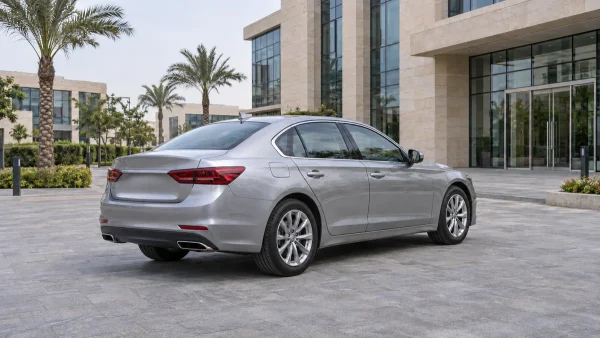
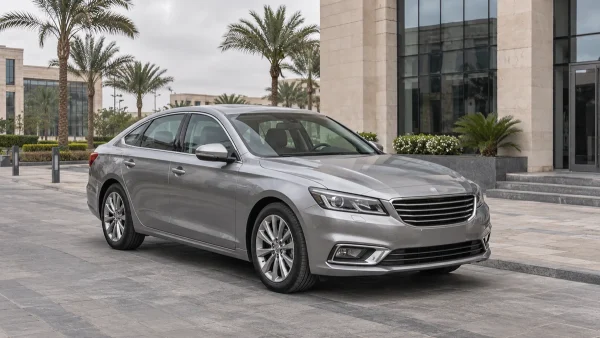
Ask whether the available photographs relate to the proposed vehicle and whether they show the part relevant to your question. A broad exterior view can explain the body shape; a relevant cabin view can help you understand the seating being described. The right view depends on the requirement, so requesting more photographs indiscriminately may add little.
State what you are trying to understand. For rear-seat access, explain that you mean the rear passenger side door rather than the luggage opening at the back. Ask for a description or relevant available view that addresses it. Whether additional photographs can be supplied is itself a question, not something this guide promises.
Use imagery alongside the reply. A catalogue photograph can help you enquire, but it does not establish ownership, date-specific availability or allocation of that pictured car to your booking.
One detail does not establish the whole car’s identity or equipment
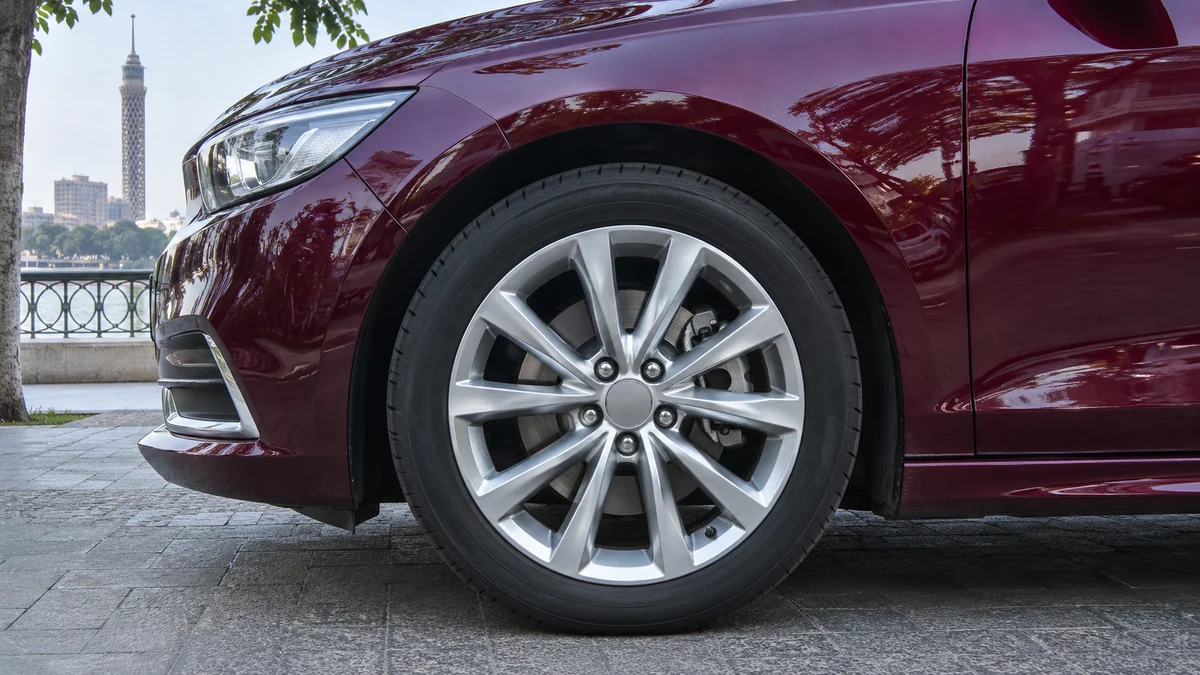
A close view of a wheel, lamp or body panel can be visually distinctive without answering your practical question. It cannot identify everything outside the frame or confirm the complete equipment specification. Avoid turning a recognised detail into a conclusion about the whole car.
Return to the unanswered point. If the image shows an attractive exterior but your decision depends on access or seating, ask about that. The aim is a useful description of the proposal, rather than a photographic investigation or a mechanical judgement made from a detail picture.
Sedan rental: confirm the seat and detail that matters to you
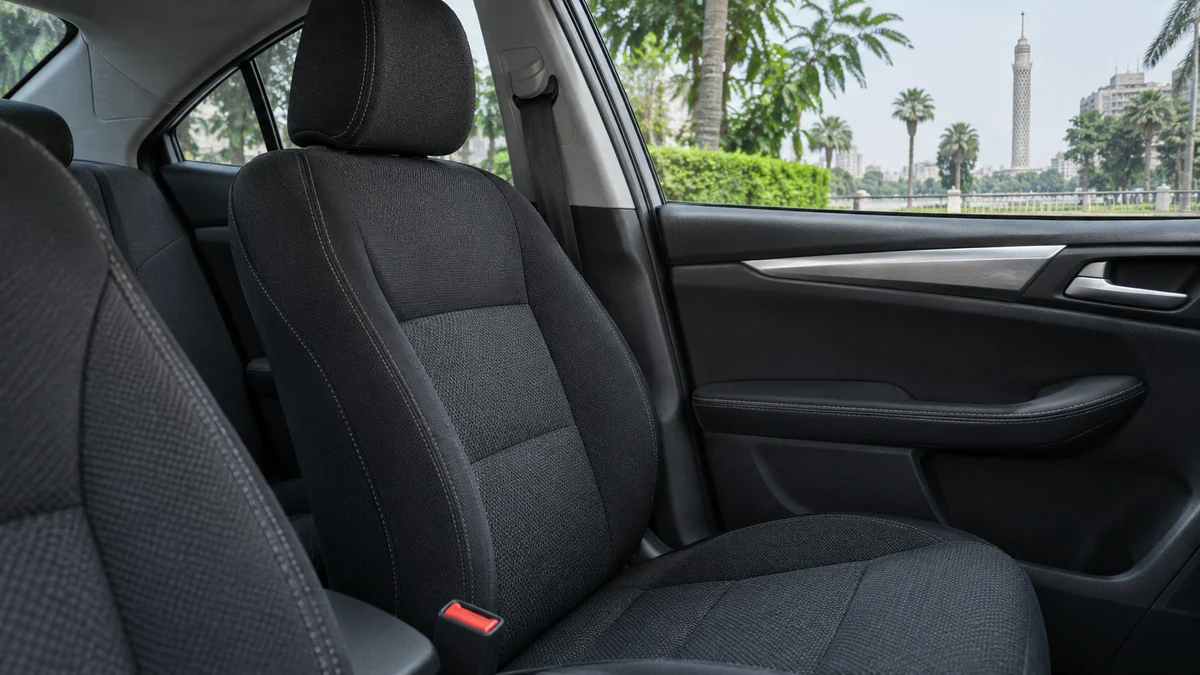
For sedan rental, name the passenger position relevant to your request. A front passenger seat photograph may show that seat’s appearance, while your question concerns a rear passenger. Do not transfer the material, shape or arrangement visible in one position to every other seat without clarification.
Relate the question to how the occupants will use the car. Ask about the requested rear-side-door access and the normal seating arrangement with the intended passengers included. If you need to understand a material or a visible detail, identify it precisely. An empty cabin photograph cannot provide actual dimensions or demonstrate how every passenger will find the same position.
Rent a Mercedes: ask for a clear description of the proposed car
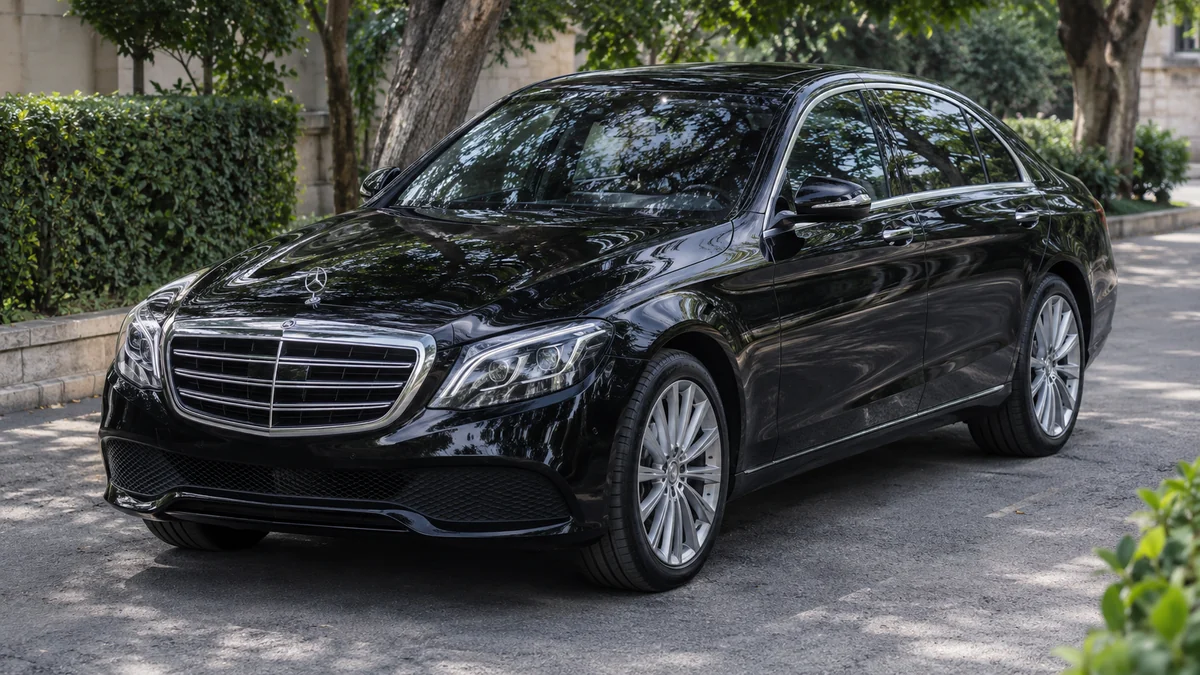
If you want to rent a Mercedes, ask which actual model, year and version the reply concerns. The current catalogue includes C180 and E200 names, which illustrate why the brand alone is incomplete. Mercedes is a marque, while the body type and the configuration remain separate parts of the description.
Use the Limousine Cairo car catalogue to identify what you want to discuss, then resolve the details for your date. If you are still choosing between those Mercedes names for a particular use, the C180 and E200 booking guide covers that broader comparison.
Here, the question is narrower: does the reply clearly identify the proposed car and answer your requirement? An exterior view does not establish its cabin equipment, and a preferred badge cannot resolve a missing explanation about the passengers’ needs.
SUV rental: the category name does not identify the actual configuration
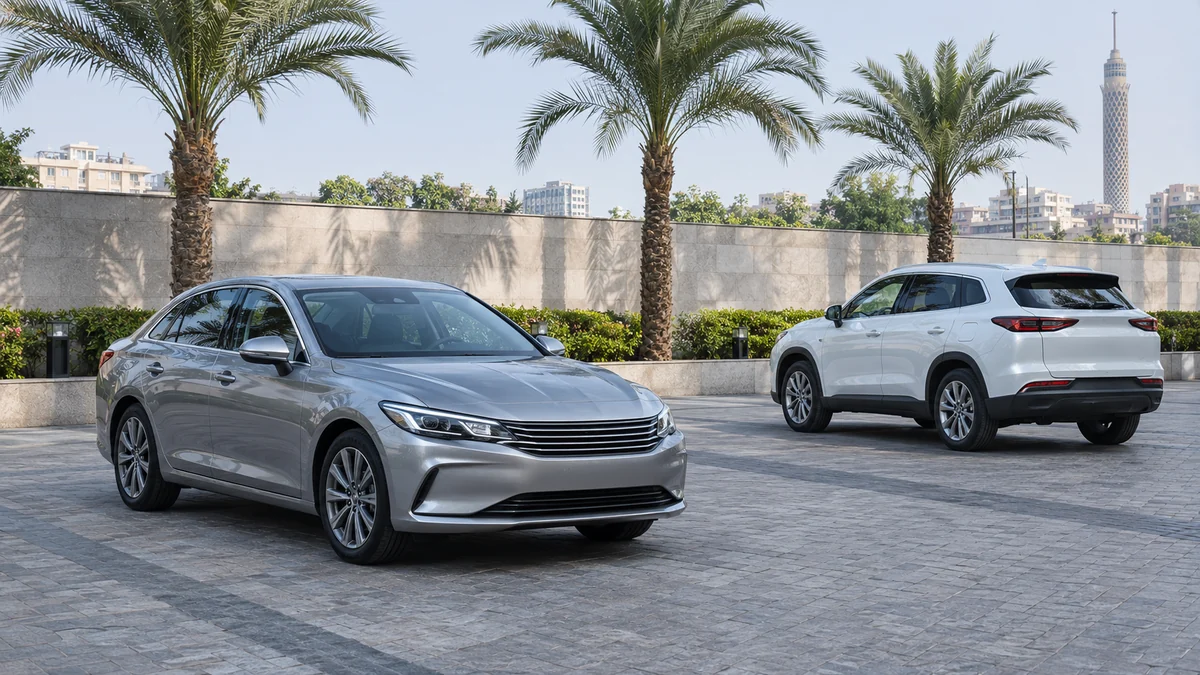
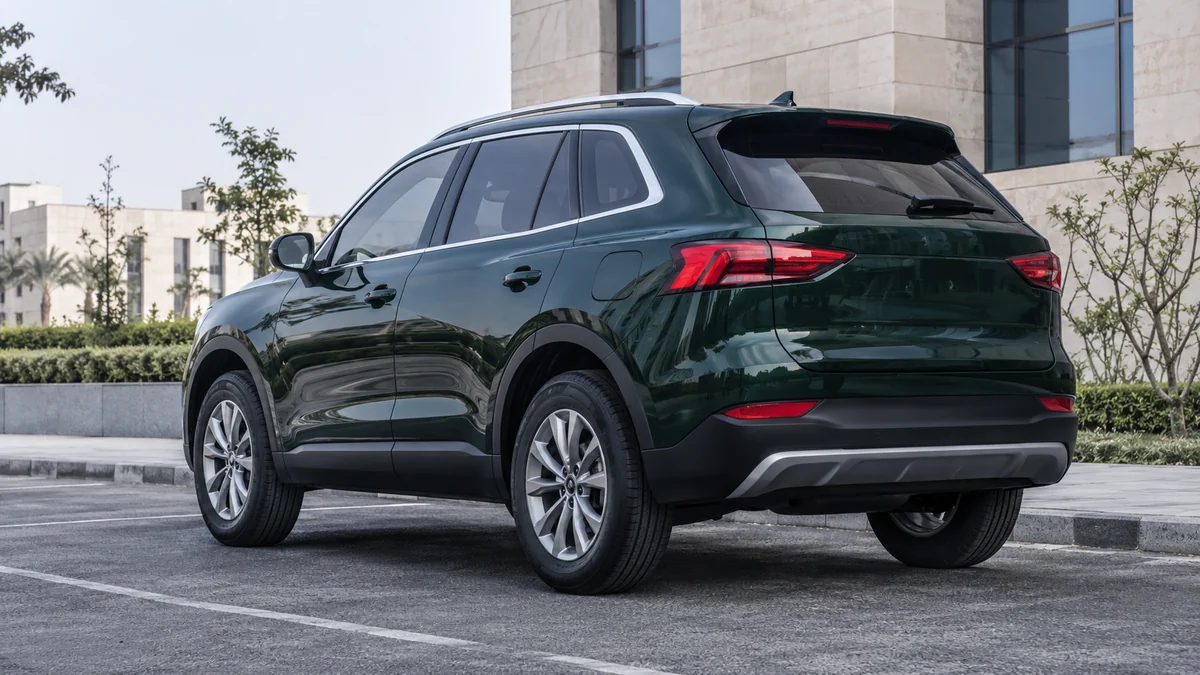
The catalogue’s SUV and family category offers another place to begin an enquiry. Treat the category as a starting point for identifying an actual model, rather than a complete description of its seats or equipment. A shared category name is not enough to carry assumptions from one photographed car to another.
Ask which configuration is being proposed and how it relates to your essential requirement. A larger-looking exterior does not settle rear-seat access, the arrangement used by the occupants or the details you need confirmed. Keep this enquiry about the proposed vehicle; the SUV label does not by itself specify a seating capacity, drive system or permission for a particular use.
Connect the seating arrangement to the use you requested
Specify whether you are requesting a car with a driver or asking about a different service arrangement. Then describe who will occupy the passenger positions relevant to the decision. These details belong together, but confirming one does not automatically answer the others.
If the proposal leaves the essential seating or access question unresolved, ask whether another vehicle could be discussed against the same requirement. You can broaden the enquiry without inventing a recommendation based on body size. Keep the focus on a normal occupied arrangement that has been explained for your use.
Equipment that affects the rental decision needs a specific answer
Give each important question a clear subject. Instead of asking whether the car has everything, identify the material, feature or arrangement that changes your decision. Ask what can be confirmed for the actual proposal and what remains unknown. This allows you to decide whether the answer is sufficient, rather than collecting general assurances.
Prioritise the things that matter to this journey. A long list of features you will not use can obscure the one essential point. If the reply names a version but does not address that point, bring the conversation back to it. You are seeking a relevant answer, not a promise that every feature associated with the model is present.
Separate what is visible from what needs another explanation
A photograph may show the appearance of a surface or a seat in one view. It may not explain its material, operation or the arrangement outside the frame. Distinguish what you can see from the conclusion you are considering.
Ask for the missing description when it affects your choice. If an available image helps illustrate the explanation, use both together. Do not make a functional claim from a visual resemblance, or assume that a detail belongs to the proposed car without asking how the image relates to it.
Read the booking reply against your actual request
Read the answer point by point: proposed car, relevant year or version, essential requirement, preferred colour and service type. A reply that a car is available may answer the opening enquiry while leaving a particular requirement unresolved. Identify that gap instead of reading the general answer as a response to every sentence you sent.
Ask one focused follow-up. For example, thank the team for the colour information, then ask whether the stated rear-side-door access and seating requirement can be confirmed for that proposed car. This keeps the conversation moving towards a decision. It also separates a detail that has been answered from one still awaiting clarification, without treating silence as either approval or refusal.
Keep a short summary of the answered points and outstanding questions, especially when the person booking is not the passenger. If the proposed description changes, ask how that affects the original requirement rather than relying on an earlier reply about a different car.
If an alternative is proposed, assess it against the same need
Start by asking what is different: the actual model, year, appearance, equipment or service arrangement. Then apply the original essential requirement to that proposal. A different badge may still deserve consideration, while a familiar badge may leave the practical question unanswered. Neither is a reason to skip the details.
Discuss what you are prepared to change and seek a clear response about the new proposal before relying on it. This is a way to assess an offered option, not a statement of Limousine Cairo’s substitution, cancellation or refund terms. Ask about the arrangements relevant to your enquiry rather than assuming that an alternative is automatically accepted, included or handled under a universal rule.
Compare two replies using the same vehicle description
One reply may identify a particular model and year while another names only a category. Before comparing them, ask for the missing level of detail. Otherwise, you may be comparing a resolved requirement in one reply with an assumption in the other.
Use the same brief for both: service type, passengers, essential requirement and flexible preferences. Note which questions have actual answers. You do not need to rank every car in the catalogue to make progress; you need to understand what each proposal says about the thing your journey depends on. Keep any unresolved difference visible until it has been explained.
Hypothetical example: a preferred colour and a requirement that needs clarity
Two adult passengers request a car with a driver. They prefer a Mercedes and a light colour, but their essential requirement is access to the rear seat through a passenger side door without moving a front seat, with a normal seating arrangement suited to both occupants. This is a planning example, not a customer account or a claim about a particular car.
They ask which actual vehicle is proposed and request a description or relevant available view of that arrangement. A reply about the light colour alone leaves the essential point unresolved, so they follow up specifically. If another car is proposed, they review the same access and seating need before deciding how much their original preferences can change. The decision follows the explanation of the actual proposal, rather than an automatic acceptance or rejection based on its badge.
A table separating preferences, requirements and missing information
Use these distinctions to read your own enquiry and the response together. They are decision aids, not company policy categories. A preference can become essential if your purpose requires it, provided you explain that priority.
On a small screen, swipe across the table to read all columns.
| Type of information | Example in the request | Question to resolve before relying on it |
|---|---|---|
| Essential requirement | Access to the rear seat through a passenger side door without moving a front seat, with seating suited to the passengers | Does the proposed actual car meet this particular need? |
| A preference to discuss | A light colour or a particular appearance | What can be confirmed, and what are you prepared to change? |
| Unresolved information | A general photo or category without the required detail | Which missing question or description connects the answer to your request? |
Prepare a car rental enquiry in Egypt with questions that can be answered
Send the date, service type, brief route and passengers, followed by your preferred model, essential requirement and flexible preferences. Finish with the precise question you need answered about the proposed car. A practical description is enough to explain a seat or colour preference; keep personal documents out of that explanation. The car rental and limousine services overview helps you identify the service to discuss alongside the vehicle.
Contact Limousine Cairo on WhatsApp or call 01118974446, 01118974448 or 01118964445. The website is a catalogue; booking and confirmation are handled by telephone or WhatsApp.
Keep the resulting car description and the answers together. For a self-drive enquiry, the later car collection checks guide addresses that separate stage. Here, finish by resolving what car is proposed and whether it meets your stated requirement.
Conclusion
Start with the detail your journey depends on, identify the actual car and ask for an answer tied to that requirement. Treat colour, model and trim as separate parts of the conversation, with their importance made clear. When an alternative is proposed, apply the same essential question again. A clear reply gives you a stronger basis for deciding than a familiar badge or an attractive photograph alone.
Frequently asked questions
Does a catalogue photograph reserve that exact car?
No. Use it to explain your interest, then ask which actual car is proposed for your date and whether your requirement can be confirmed. A photograph alone does not establish allocation or availability.
Does the model name confirm the year and equipment?
The year, version and important equipment need their own answers for the actual car. Do not transfer details from another photograph or specification list simply because the model name matches.
Do all SUVs have the same seating arrangement?
Do not assume a shared configuration from the category name. Ask about the actual model and the occupied arrangement relevant to your passengers, without inferring it from the exterior.
How should I review an alternative proposed by the booking team?
Ask what changes and reassess your original essential requirement against the proposed car. Clarify the actual answer and relevant arrangements before relying on it, without assuming a universal replacement or refund policy.
Does requesting a particular model and colour confirm availability?
A request sets out what you want. Seek a clear response about the proposed car, date, service and important details before treating those preferences as confirmed.