Rent a Wedding Limousine in Egypt: Plan Your Wedding-Day Transport
Wedding limousine rental in Egypt starts with the day’s plan
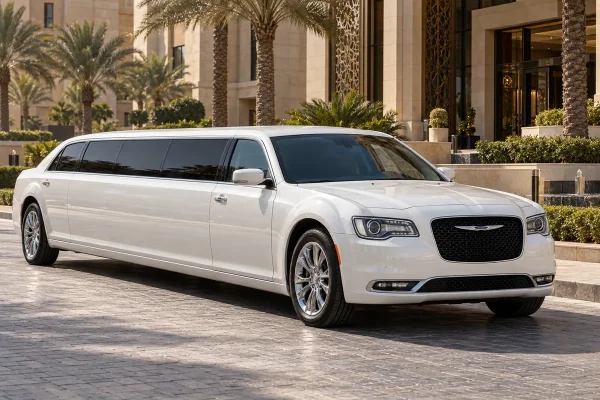
When you look for wedding limousine rental in Egypt, you may start with a picture of the car outside your hotel or wedding venue. Yet the usefulness of that choice becomes clear across the whole day: where the journey starts, who travels, when photography finishes and how the arrival at the venue fits the schedule.
Imagine the car arriving at the hotel while the photographer waits elsewhere and a relative requests an extra journey that was never discussed. A vehicle cannot coordinate those decisions on its own. A clear plan gives everyone a role and leaves you more room to enjoy the occasion instead of managing repeated calls.
This guide focuses on wedding-day transport in Cairo, from preparation and photography to the venue and the journey afterwards. Its examples are planning suggestions, not fixed packages. Available vehicles, services and booking arrangements must be confirmed with Limousine Cairo.
Explore wedding limousine rental from Limousine Cairo
Start with the venue arrival and work backwards
The first time to establish is when you need to arrive at the venue, agreed with your planner or the venue contact. Work backwards to the end of photography, departure from the photo location and departure from the preparation address. Each stage should connect logically to the next.
Do not count driving alone. Leaving the room, boarding, arranging clothing and taking departure photographs are part of the actual time needed. Include flexibility agreed by the people involved instead of building the plan around the shortest journey estimate on a map.
If a ceremony or family gathering has a fixed time before the reception, treat that as another anchor. Several fixed appointments may require simplifying other parts of the route, such as removing an additional photography stop.
Map the couple’s route before assigning vehicles
List the preparation address, photography location, venue and final destination together, with accurate map locations. A business name can be ambiguous when there are several branches or entrances. Identify the gate and meeting point passengers will actually use.
Decide whether both partners travel together from the start, whether one joins later and whether an accompanying person needs a seat throughout. Those answers determine the route and seating plan and reduce last-minute boarding requests.
If the itinerary moves between distant areas, discuss a photo location that fits the direction of the venue. Reducing repeated travel between areas may contribute more to a comfortable day than adding another location, especially when photography time is limited.
A transfer is different from transport with photography and waiting
You might need a car only from the hotel to the venue, or you might need transport from the photography departure through to the end of the celebration. These are different requests even if the same vehicle category is involved. Duration, stops, waiting and the return arrangement all change.
Explain whether the vehicle is a photography subject, transport between locations or both. If you want photographs beside it, include that time in the plan and discuss permitted stopping areas. A transfer should not be assumed to include an extended photoshoot.
Also specify whether collection after the celebration is required or the service ends on arrival. Naming the venue as the destination does not automatically mean the car waits until you leave. Confirm the later journey separately within the booking scope.
A practical framework for the wedding-day stages
Use the following framework with your photographer, planner and booking contact. There is no universal timetable for every wedding. Fill in the actual times after checking the addresses and commitments.
For each stage, identify who confirms that it is ready before the next begins. Share one agreed version with the relevant people. A single clear schedule is easier to follow than different instructions across several conversations, and it can be updated if arrangements change.
| Stage | What to establish | Suggested coordinator |
|---|---|---|
| Leaving preparation | Address, gate, passengers and readiness time | Day coordinator |
| Photography | Location, vehicle shots and finish time | Photographer and coordinator |
| Venue arrival | Arrival time and drop-off point | Venue contact |
| Family transfers | Meeting point, passengers and return times | Family representative |
| After the celebration | Date, time and final address | Day coordinator |
Stretch limousine or sedan: choose for the job
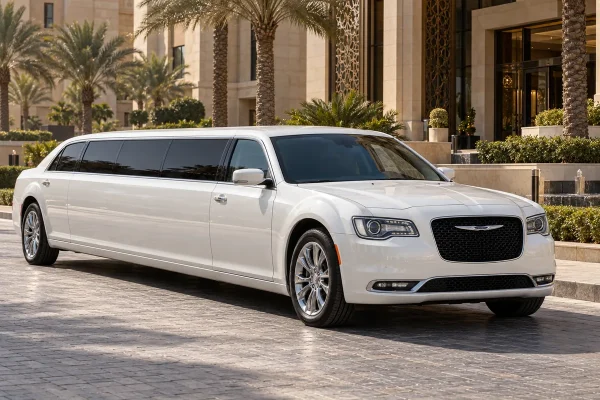
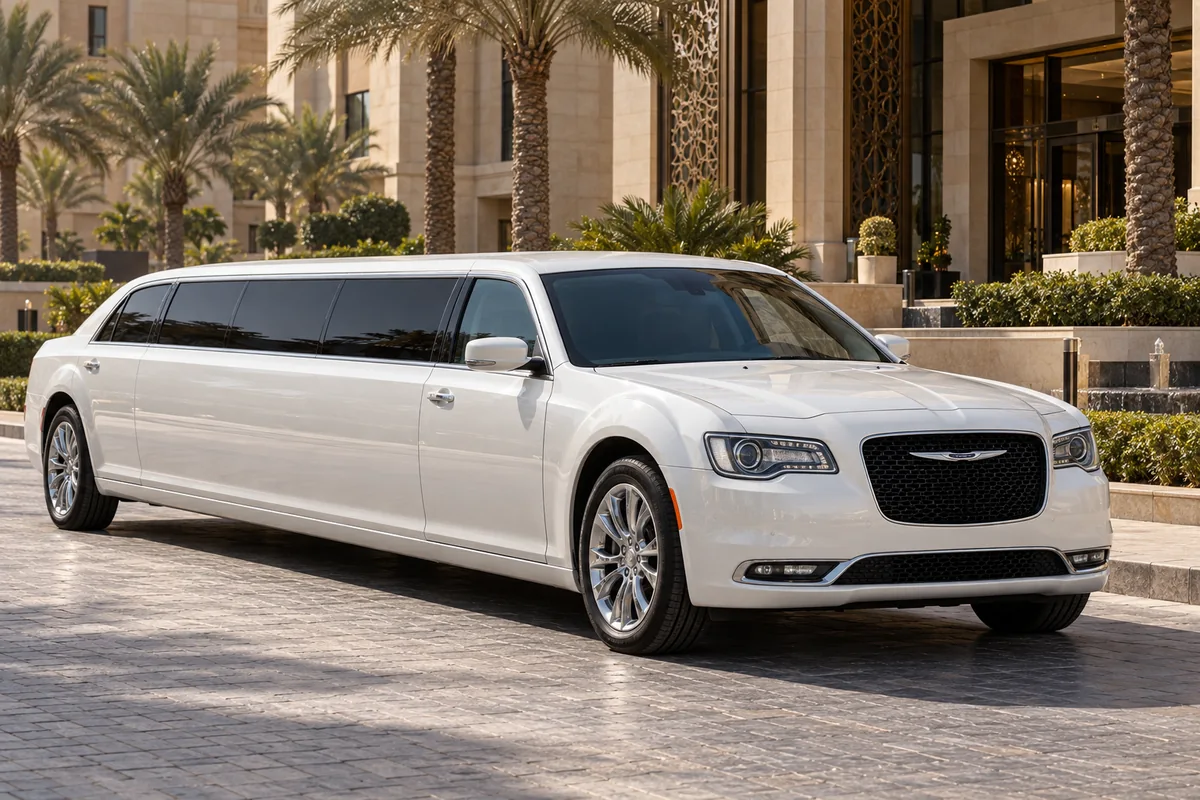
A stretch limousine may suit the visual arrival or photography experience you want, while a luxury sedan may fit a day focused on travelling between several locations. Taste matters, but so do the route, entrance and stopping space.
Do not assume all stretch limousines have identical seating or equipment, or that every sedan in one category has the same features. Ask for current details and photographs of the proposed vehicle. Confirm the permitted passenger count and whether the seating arrangement suits those travelling.
If the photography site or venue has a narrow entrance, discuss suitability with the venue and booking team before confirming the category. A workable drop-off point matters more than choosing an attractive image without checking whether the vehicle fits your itinerary.
Rent Mercedes in Egypt for a wedding: check beyond the badge
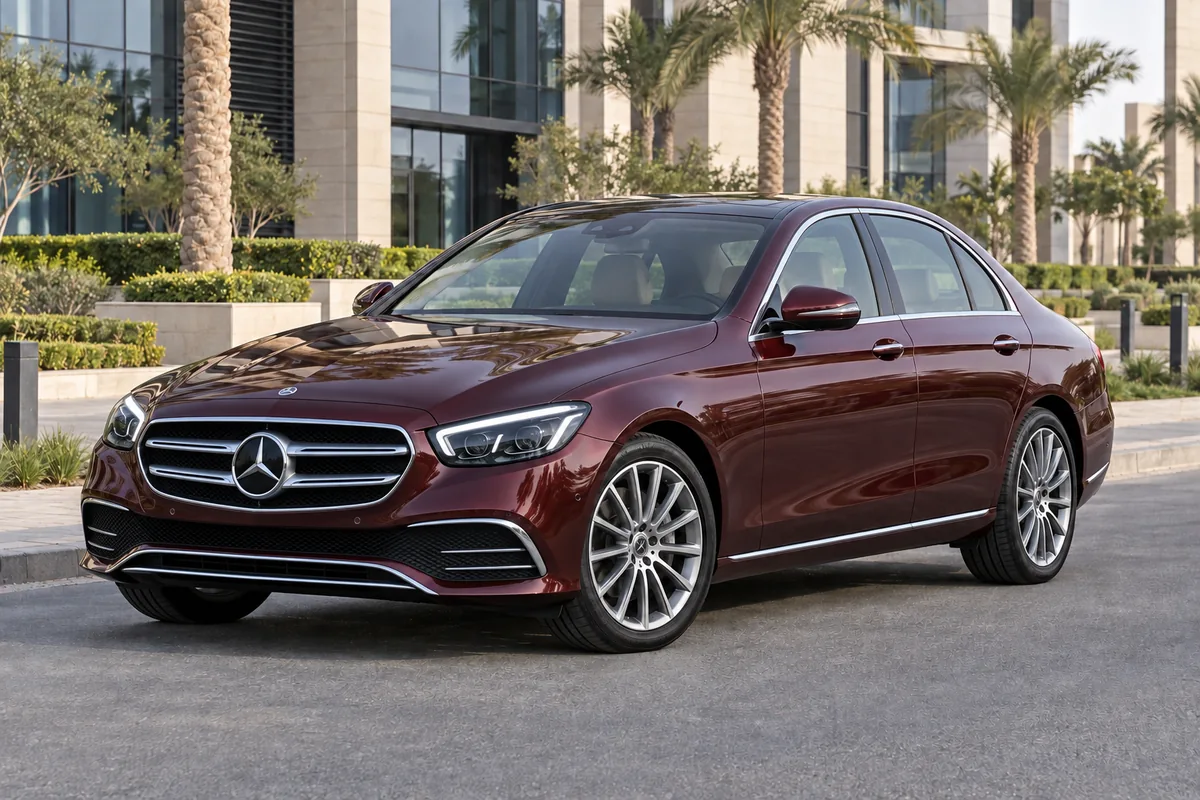
If you want to rent Mercedes in Egypt for your wedding, begin with what the car needs to do throughout the day. A C180, E200 or another category can be discussed subject to availability, but the actual vehicle must suit the passengers, their clothing and belongings.
Ask about model year, colour and the features that matter to you. Have the agreed choice recorded in the booking details. A model name or general website illustration does not by itself establish the exact vehicle that will arrive.
Read our linked C180 and E200 comparison if you are weighing those categories, then send a clear description of the wedding itinerary. Choosing becomes easier when the stops, duration and accompanying passengers are known.
Read the C180 vs E200 guide to renting a Mercedes in Egypt
Clothing and boarding are part of choosing the car
A full wedding dress or long train deserves attention when assessing entry and seating. A vehicle being suitable for a passenger count on paper is not the whole answer. Discuss the seat area, doorway and boarding arrangement, and request useful photographs or a viewing if those details affect the decision.
Choose who will help arrange the dress when boarding and leaving, and allow time for this. Departure should not be the first moment you discuss where an accompanying person sits or where essential personal items go.
Clothing and footwear choices are personal, but advance coordination reduces rushing at each stop. Boarding can then become a calm part of the day rather than a repeated task competing with appointments and photography.
Coordinate the photographer and driver before the shoot
Share the stop order and vehicle-use period with the photographer and ask which shots actually require the car. A session mostly inside a venue may involve different waiting arrangements from one built around the vehicle itself.
Agree on a permitted stopping position that does not obstruct entrances or the road, and identify who tells the driver when the planned shots are complete. Before repositioning the car, make sure the next step is understood and the location permits it.
If you want one car for transport and a classic car for photographs, treat these as separate requirements needing clear coordination. Do not assume delivery to the shoot or use throughout the day is included without confirmation.
Planning a classic-car photoshoot in Cairo
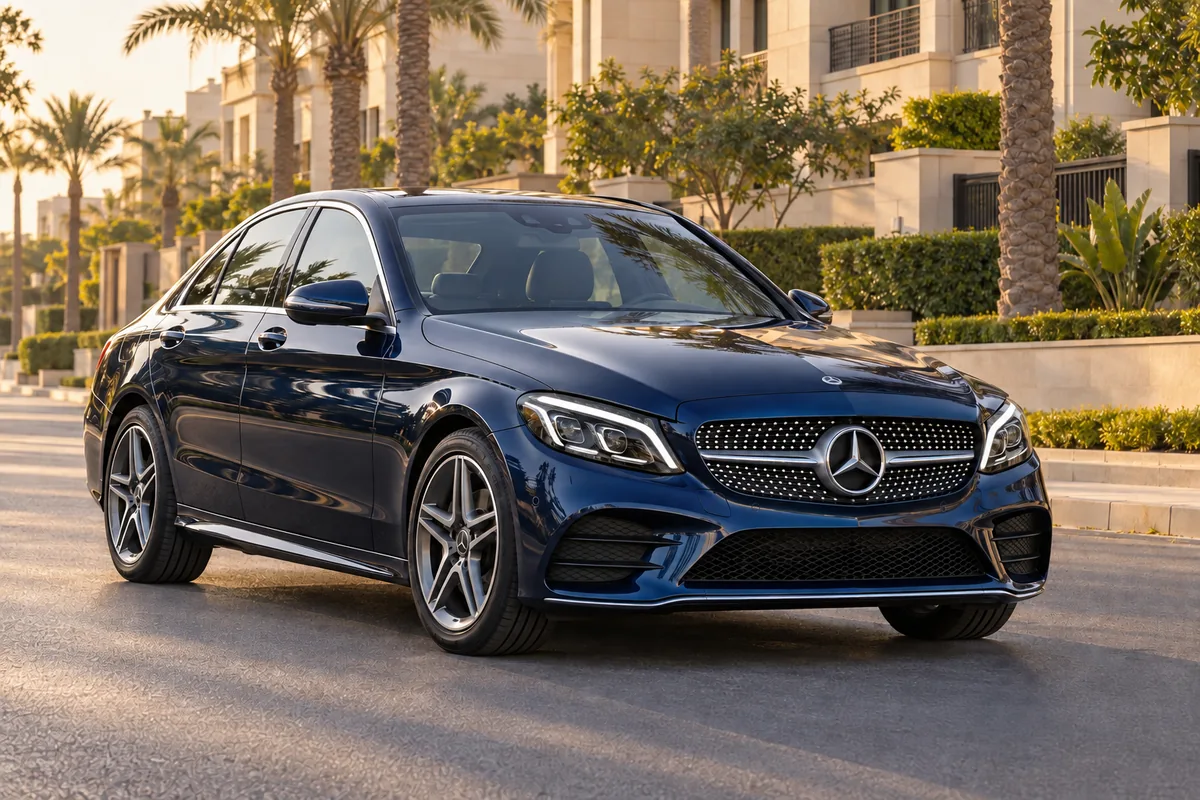
Check the hotel gate and the venue entrance
A hotel may have a main entrance, an event entrance and a separate vehicle reception area. A venue may also need details in advance for access. Ask its contact which gate to use, where the couple should leave the car and how waiting works, then share that information with the booking team.
When considering a stretch limousine, name the vehicle type when discussing access, particularly if there is a ramp or tight turn. An entrance accommodating ordinary cars does not automatically confirm suitability for every category.
Also establish where the driver meets passengers after the celebration. The departure point may differ from the arrival point. A clear entrance photograph, accurate location and brief instruction to the coordinator can avoid confusion late in the day.
Agree on wedding-car decoration in advance
If you want flowers, ribbons or another decorative treatment, discuss the design, attachment method and who will provide it before the date. A wedding booking does not automatically include decoration or permit any material to be attached to the bodywork or glass.
Send a clear reference and request approval from the vehicle provider for the materials, installation and removal. Avoid relying on an unplanned setup when the car arrives, since fitting time can conflict with departure.
Confirm where and when decoration takes place and whether it adds a stop or waiting period. Let the photographer know the agreed appearance, and ensure decorations do not obstruct visibility, doors or parts needed for normal vehicle use.
Decide where personal belongings travel
Make a short list of what accompanies the couple: a small bag, a change of clothing, personal essentials or items needed for the later journey. Decide which travel with them and which can go in a family vehicle, keeping important items accessible.
An empty passenger seat is not automatically the right place for luggage, particularly if someone joins later. Describe the belongings when choosing the vehicle and do not estimate storage from an exterior photograph alone.
Assign someone to check that belongings are collected when leaving the photo location and arriving at the venue. In a busy day, a clear responsibility is easier than discovering that a needed bag left with another person.
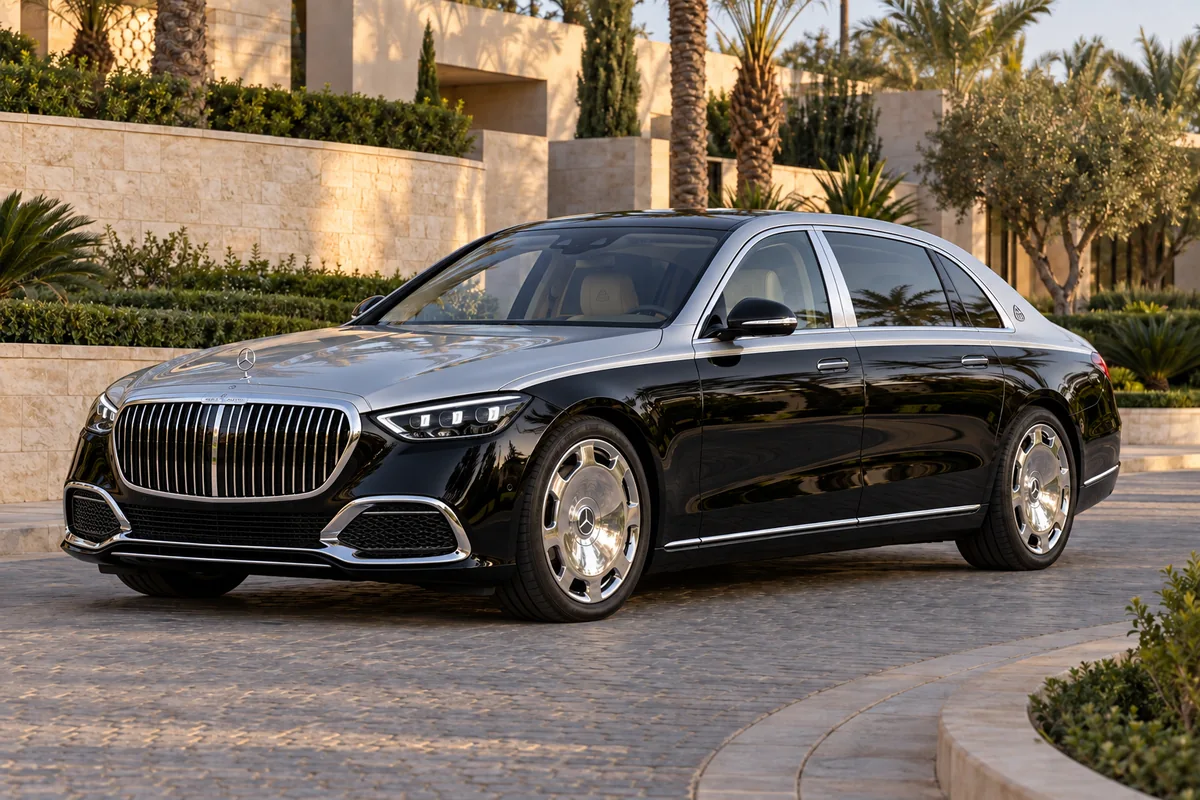
Separate family transport from the couple’s itinerary
Using one vehicle for every journey may seem simple, but it can make family arrival depend on the couple’s photography finishing or add detours that conflict with the venue time. List family requirements independently before deciding how many vehicles are needed.
Identify collection addresses, passenger numbers and required arrival times. Discuss another car or a van according to availability and group size. The aim is not to add vehicles unnecessarily, but to avoid assigning conflicting tasks to the couple’s car.
If everyone uses one meeting point, share its location and the time to be ready. If a guest needs to leave early, arrange that explicitly rather than assuming the group vehicle can abandon its other commitments.
Discuss group transport requirements
Plan explicitly for older guests and children
Ask relatives about boarding needs before confirming a vehicle, including less walking, easier entry or additional time at collection. A larger car is not necessarily better for every person. Explain the practical requirement and request relevant details about the proposed category.
For children, provide ages and any appropriate child-seat requirements, then confirm availability. Do not count a child as needing no passenger space or assume every vehicle contains a particular accessory.
The family transport coordinator should know who needs assistance leaving the car and identify a permitted drop-off as close to the entrance as practical. Guest comfort and arrival arrangements deserve explicit attention, not an afterthought in the booking message.
Arrange airport limousine transfers for arriving guests
If guests are arriving from abroad, discuss an airport limousine transfer as a separate part of the wedding arrangements. Provide the flight number, arrival date, passenger name, group size, luggage and hotel address, then confirm the meeting and contact procedure.
Cairo Airport’s official flight-information page includes information such as flight status and terminal. Check updated details with the airline before the service and distinguish landing time from the time guests will be ready to meet the vehicle.
Avoid assigning the couple’s wedding car to a flight arrival that could change. Keep those tasks separate in the plan and clarify how arrival changes and waiting are handled. That helps prevent an adjustment to a guest’s flight from disrupting the entire wedding itinerary.
Cairo airport limousine transfers
Official flight-information reference: Cairo International Airport
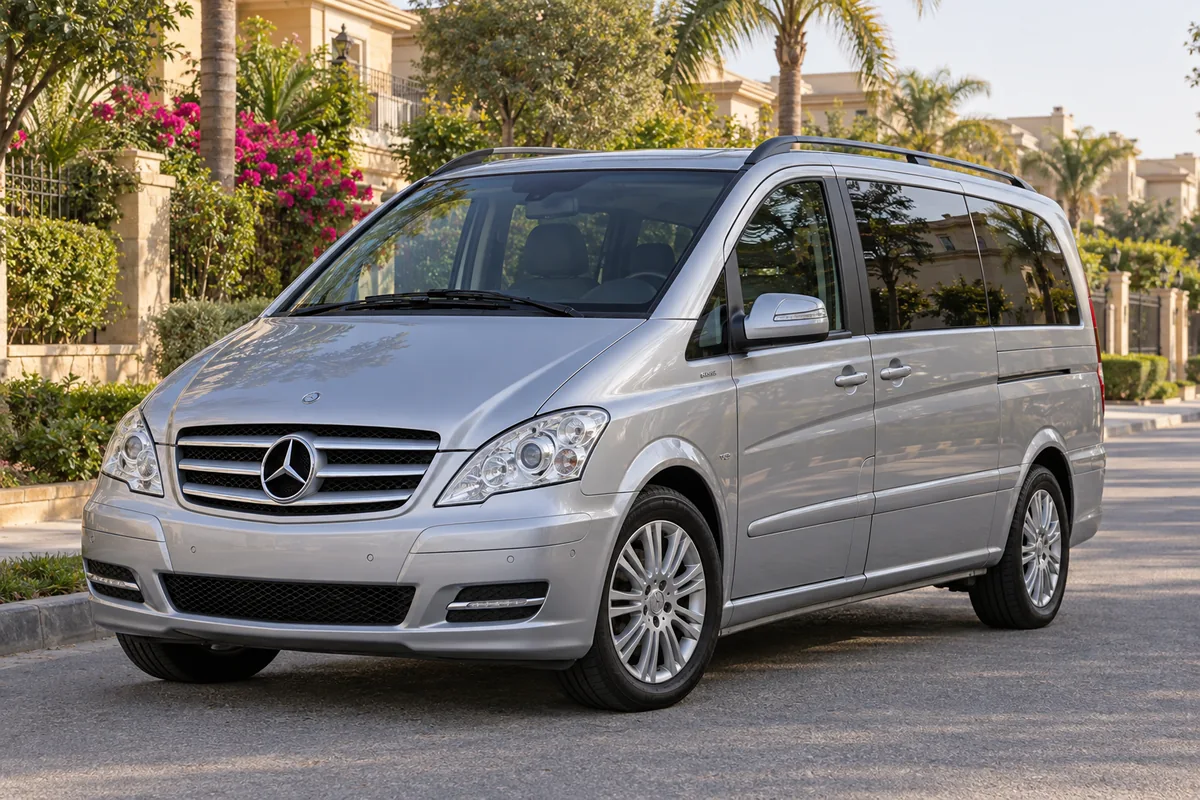
Clarify waiting and extensions before confirming
Preparation or photography may take longer than expected. Ask how waiting is treated and exactly when the service period begins and ends. Saying the car is available “on the wedding day” is not precise enough without a start, finish and agreed stops.
Discuss whether an extension can be requested, how to request it and who confirms it. Do not assume it is automatically available: the vehicle may have other commitments. Review the terms applying to your specific booking before relying on extra time.
Have your coordinator review progress before the agreed end approaches, so the booking team can be contacted early if a change is needed. Early discussion is clearer than treating additional hours as agreed after they have already occurred.
Specify the return journey, including the correct date
After the celebration, the destination may be a hotel, home or another address. Record it clearly, along with passengers and belongings. Clarify whether you need waiting throughout the event or collection at an agreed time.
If the celebration continues after midnight, include the date as well as the time to avoid confusing the wedding evening with the following day. This is especially helpful when another transfer or airport journey is planned for the next morning.
Assign someone to confirm that the couple is ready before meeting the car and verify the permitted exit point. Do not assume the driver automatically knows the celebration has finished or that the arrival entrance remains the best departure location.
Choose one person to coordinate transport
Instructions may come from the couple, family, photographer and planner. Each can make sense individually while conflicting with the others. Choose one person to coordinate vehicle-related changes and hold the final schedule.
Share the booking details, locations and necessary contact information with appropriate permission, and establish what the coordinator can change independently. Small requests can then be managed without repeatedly interrupting preparation or photography.
If several vehicles are involved, give each task a clear name: couple’s car, family transfer or guest airport collection. Assign passengers to each. This simple distinction helps prevent the right driver from being sent to the wrong task during a busy day.
Prepare an alternative if timing or the photo location changes
Agree with the photographer what can be shortened if departure is delayed and which commitments, such as venue arrival, must be protected. Keeping one main session and dropping an extra location may be more workable than compressing everything.
If the photo location changes or becomes unavailable, share the alternative address before departure and review its effect on the route, timing and service terms. A distant replacement is more than a simple change of name.
During booking, ask whom to contact if a vehicle-related problem occurs and what procedure applies. Establish the confirmed steps rather than assuming an identical replacement or a particular response time that has not been promised.
Compare booking scope, not only the vehicle name
When comparing wedding limousine proposals, use the same date, category, route, start and end times, waiting, photography requirements and return journey. A single difference can mean you are comparing different services despite the same vehicle name.
Ask what is included and what is treated separately, such as fuel, road charges, parking, decoration and extra stops. Do not assume every wedding request follows identical terms. Clarify the confirmation, amendment and cancellation process.
Keep a written summary of the agreed choice and contact arrangement, and revisit it before the date if your information changes. A clear agreement supports practical coordination and makes missing details easier to identify in advance.
A ready-to-use wedding limousine enquiry
Fill in this enquiry and attach accurate locations and a vehicle reference if useful. A clear description makes it easier to discuss a suitable car and the required service period.
I would like to book wedding transport on [date], with a preference for [category]. Collection is from [address] at [time], followed by photography at [location] and arrival at [venue address] by [required time]. There are [passenger count] and [belongings]. The return is to [address] on [date] at [time].
We also need [decoration, family transport or airport collection, if applicable]. Please confirm the available vehicle, duration, waiting, inclusions and amendment terms. Our day coordinator is [name and contact information agreed for sharing].
A final review before the wedding day
Before the wedding day, review addresses, entrances, passengers and stop order with the responsible people. Confirm that the photographer, planner and booking team have the same version of the schedule and that changes have been clearly communicated.
Prepare the belongings travelling with the couple, assign the remaining items and keep the booking contact available. Do not leave the meeting point or return decision until the celebration ends, when tiredness can make small details harder.
This review is not about adding commitments. It checks that the agreed arrangement matches your expectations. If a new requirement emerges, discuss it before the date and request confirmation instead of assuming it is included.
Before confirming the arrival point, use the wedding limousine venue-access guide to coordinate the vehicle gate, approach and exit, drop-off, photography and waiting with the venue and vehicle team.
Conclusion: a well-planned arrival starts with clear coordination
Choosing to rent a limousine in Egypt for a wedding goes beyond the car’s appearance. Define the route, passengers, photography, waiting and return, then choose a suitable category and confirm the actual details. A practical vehicle choice and an understood schedule leave more room to enjoy the occasion.
To discuss wedding transport with Limousine Cairo, send the date, locations and preferred category through WhatsApp or call to enquire about availability and arrangements. The linked guides can also help you compare sedans or plan classic-car photography.
Send your wedding date, locations and preferred category to discuss availability and booking details.
Frequently asked questions
Does wedding limousine rental include photography and waiting?
Not automatically. Explain whether the car is for transport only or will also feature in photographs. Specify stops and the required duration, ask how waiting and extensions work, and have the scope confirmed before the date.
Is a stretch limousine better than a Mercedes sedan for a wedding?
It depends on your preferences, route, passengers and how you will use the vehicle. A stretch limousine may suit the arrival you envisage, while a sedan may suit the transfers. Check the actual vehicle, venue access and boarding before deciding.
Can the couple’s car also transport relatives?
Discuss this only if seating, timing and service scope permit it. Avoid assigning two tasks with conflicting times. Share family requirements separately and compare one-vehicle arrangements with an additional car or van, subject to availability.
How should I arrange the journey after the celebration?
Specify the destination, passengers, date and time, especially after midnight. Clarify continuous waiting versus later collection, the exit point and the contact person. Arrival at the venue does not automatically include a return journey.
What information does Limousine Cairo need for a wedding booking?
Send the date, preferred category, preparation address, photography location, venue and return destination, with times, passengers, belongings and decoration requests. Contact the team by WhatsApp or phone, then review availability, inclusions, waiting and amendment terms before confirming.