Rent a Wedding Limousine in Egypt: Check Venue Access Before Booking
Choose a wedding limousine that suits the venue entrance
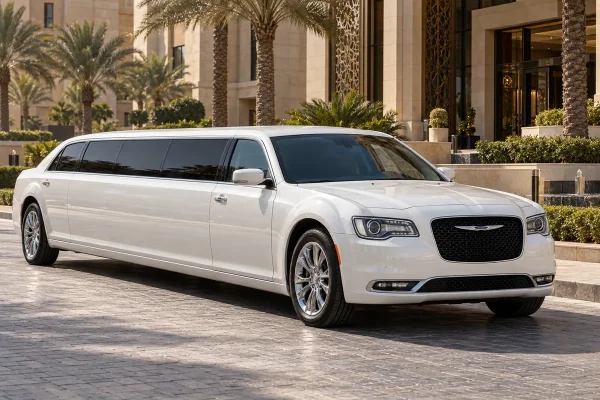
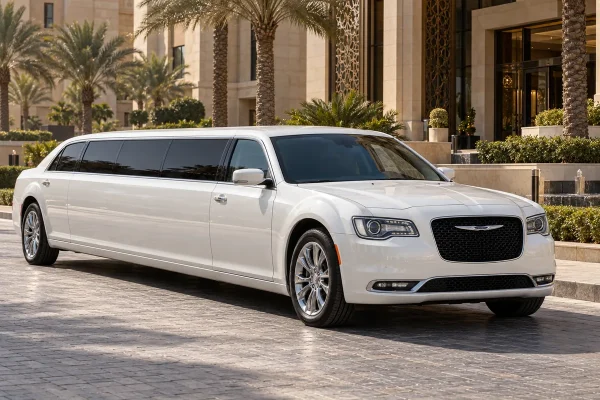
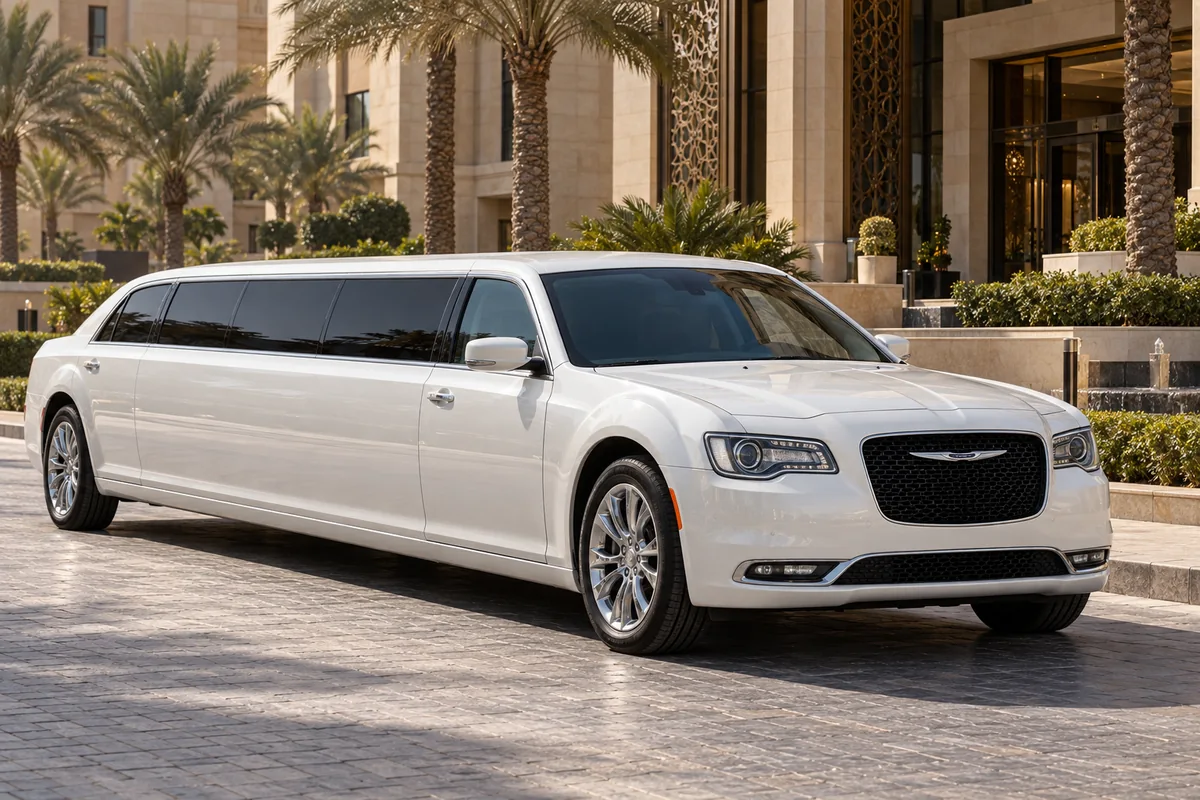
Venue access is an important part of planning to rent a wedding limousine in Egypt. A photograph helps you choose the look you like, but does not establish the vehicle entrance, internal approach or drop-off point. You might prefer a stretch limousine, then discover that cars enter through a different route from the venue frontage or that entrance photography requires a separate arrangement.
Before confirming the car, collect access information from the venue and share it with the booking team for review. The aim is to align the vehicle, drop-off, photography and waiting with your plans, without promising that every category can enter every property. This guide focuses on site access and complements the wedding-day transport timeline guide, which helps organise preparation, photography and venue timings.
Separate the venue address from its vehicle entrance
A venue may have one address while vehicles enter through another gate or a side road. Ask for the vehicle entrance location and the gate name used by security, rather than only the general property pin. Establish whether the drop-off is inside or outside the site and whether the proposed vehicle can reach it under the venue’s arrangements.
Share the same agreed information with the couple or their representative, the booking team and the venue contact. For a hotel, club or compound, ask the relevant property contact which approach to use. A previous guest’s experience can be useful context, but does not confirm the current wedding route: an entrance suitable for an ordinary visit or earlier event may not be the entrance allocated to this occasion.
Get venue information from the right contact
Identify someone at the venue who can answer questions about vehicle entry, drop-off and waiting, rather than relying only on the person who handled the initial enquiry. Ask who coordinates on the wedding day and how the couple’s representative can reach them if the gate or arrangements change. Keep the task-specific contact in the day’s plan.
Venue permission and vehicle review have different roles
The venue contact establishes site information and what is permitted for the event; the vehicle team reviews suitability for the proposed car. One response should not replace the other. Permission to enter does not by itself establish a suitable approach, and vehicle suitability does not establish permission to use it. Bring both answers together before telling the photographer and couple which arrival point has been agreed.
Review the approach, not just the venue frontage
A frontage photo does not always show the route the car will use. Ask the venue or event coordinator for recent photographs or a clear video where recording is permitted, covering the vehicle entrance, approach to drop-off and exit. Note when it was recorded and any missing section so the material is not mistaken for a complete assessment.
Share it as review information, not a guarantee of access. Highlight turns, gates, ramps and areas that event equipment may occupy. If the venue supplies verified measurements or written instructions, pass them on as provided; do not estimate clearances from photographs. Where information is insufficient, discuss another drop-off point rather than assuming a solution will appear when the vehicle arrives.
Discuss barriers and covered entrances with the venue
Ask whether the approach includes a covered entrance, barrier or low structure, and what instructions or verified information the venue can provide. ‘Cars have entered before’ is not enough, because the proposed vehicle, its equipment or the route may differ. An exterior vehicle photograph cannot establish suitability for a particular entrance.
Leave the compatibility review to those responsible for the vehicle and site instead of inventing a clearance figure and booking around it. If entrance decoration or other equipment changes after the initial review, tell the team before the date. The useful outcome is not a collection of general approvals, but confirmation that the review concerns the actual approach and drop-off point for the event.
Include turning and manoeuvring in the arrival plan
Reaching the drop-off point is not the end of the vehicle’s route. Ask how it leaves afterwards, whether the team has reviewed a suitable manoeuvring area, and whether guest vehicles or event equipment may change the available space. Have the venue explain entry and exit together instead of planning only an attractive arrival.
For a stretch limousine in particular, a wide main road does not establish suitability for the internal approach. The vehicle team needs the actual arrangements before confirming feasibility. If a workable route is not established, review a suitable nearby drop-off or another category rather than expecting the driver to improvise an unagreed arrangement in front of the guests on the wedding day.
Ask for a practical review of ramps and speed humps
Identify ramps, speed humps or changes in level and share the venue’s information and suitable images. Do not decide suitability from how high or low the car appears in an advertisement, or assume that another vehicle passing proves access for every category. This is a review of a specific vehicle on a specific approach.
Ask whether temporary works or entrance changes are expected and who can confirm that the reviewed route is still in use. Keep unresolved points on the question list rather than recording them as approvals. Early review creates time to change the drop-off or vehicle category if necessary; it is not an invitation to provide driving instructions or test an uncertain route on the wedding day.
Agree where the couple will get out
Identify where the doors will open and the couple will actually get out, and who will receive them there. Review space around the car for people and door opening with the venue, and how that point connects to the hall entrance or arrival path. A slightly more distant but reviewed drop-off may be more workable than an unconfirmed promise to stop at a particular door.
Describe clothing, companions and any movement requirements without assuming a vehicle category automatically resolves them. The passenger and luggage space guide helps review who travels with the couple and what they carry. Record the drop-off as its own item rather than leaving a photographer or guest to decide it at the moment of arrival.
How to compare a stretch limousine, sedan and other categories
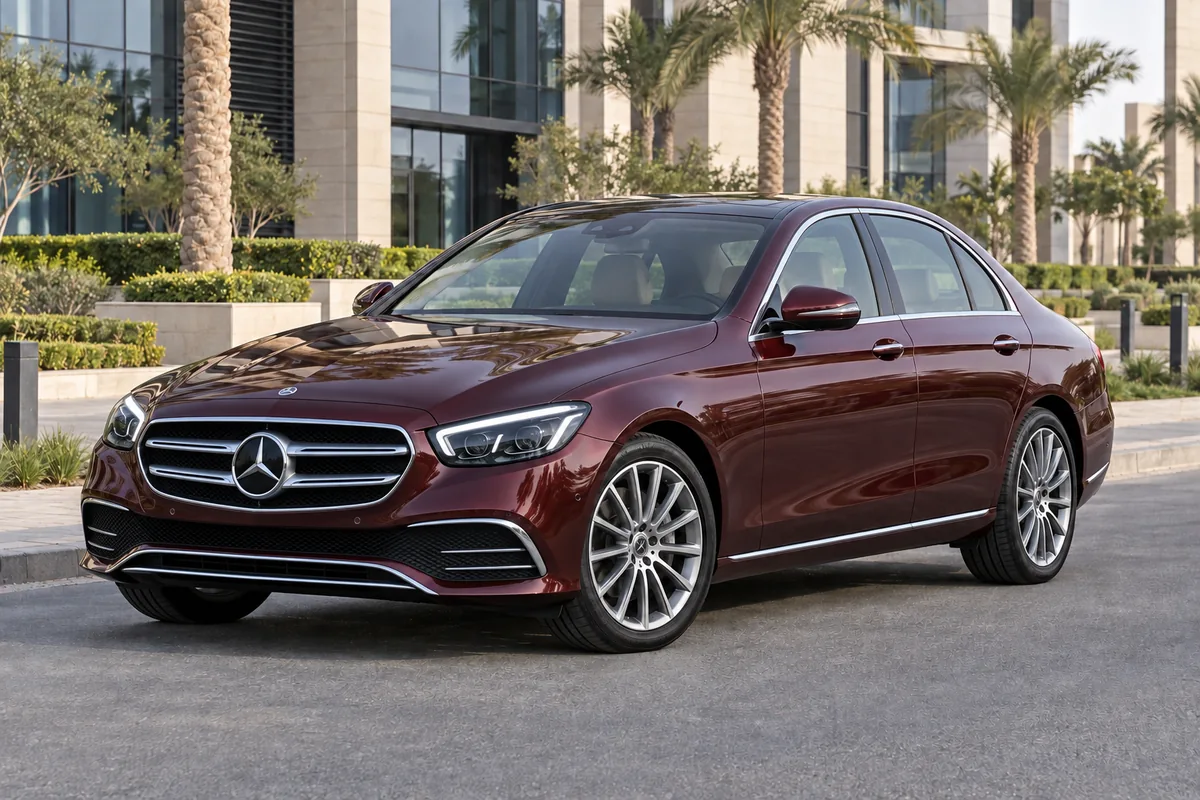
Compare categories for the event’s style, passenger needs and access rather than making size the deciding feature. You may prefer a stretch limousine visually, while a sedan or another option deserves review if its internal route cannot be confirmed. There is no rule that every shorter car can enter every site or that every larger category is unsuitable.
Ask the wedding car and stretch limousine service about alternatives that can be reviewed for your date, using the same venue information for each. If considering a Mercedes, the C180 and E200 comparison helps frame the category choice, but venue access remains a separate check. A brand or model photograph does not establish it.
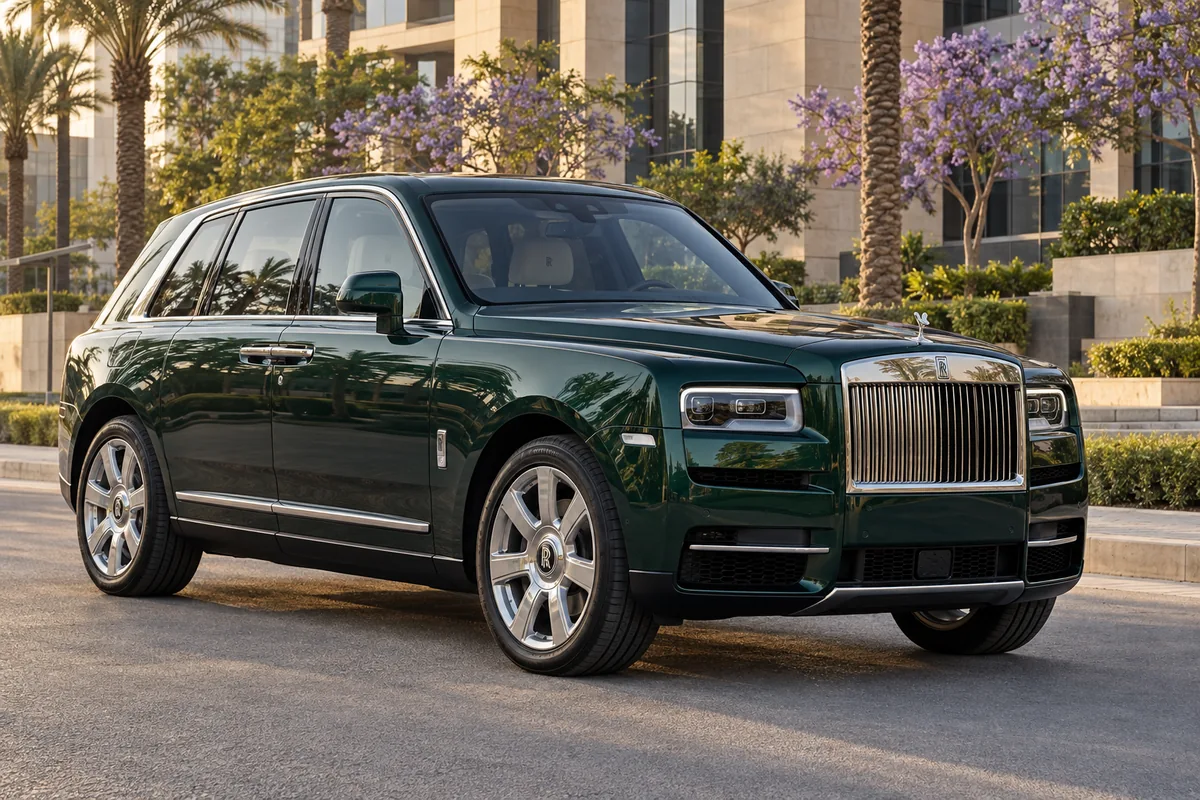
A venue-access review table
Use the table as a review list for the wedding coordinator, venue contact and booking team, rather than an engineering assessment or automatic access approval. Mark unanswered points as requiring review and identify who will return with the information. A blank field can otherwise be mistaken for an item that does not matter.
Complete the list through an organised message or a call followed by a written summary. The benefit is a shared record of confirmed and open points, especially when several cars or photo stops are involved. Do not extend an answer for one category or gate to every alternative. Update the affected item when something changes and retain a clear final version.
| Item | What to review | Relevant party |
|---|---|---|
| Vehicle gate | Actual location and instructions | Venue contact |
| Entry and exit | Site information and vehicle suitability | Venue and vehicle team |
| Drop-off | Permission, suitability and door opening | Venue, vehicle team and coordinator |
| Photography | Permitted point and vehicle involvement | Photographer, venue and booking team |
| Waiting and return | Location, timing and inclusions | Venue and booking team |
| Changes and alternative | Decision-maker and communication | Coordinator and relevant parties |
Coordinate entrance photography separately
If you want photographs of the car and couple at the entrance, ask the venue which photo point is permitted and how it fits guest drop-off and vehicle movement. Booking the car does not establish permission to photograph in every area or keep the vehicle at the frontage for the photographer’s preferred duration. State the wish early as a request needing coordination.
Have the photographer identify the priority shot and the vehicle involvement required, then review it with the venue and booking team. For a classic-car look, the Cairo classic-car photoshoot planning guide provides further context. A suitable drop-off and a suitable photography location are distinct decisions: they may coincide or need separate arrangements.
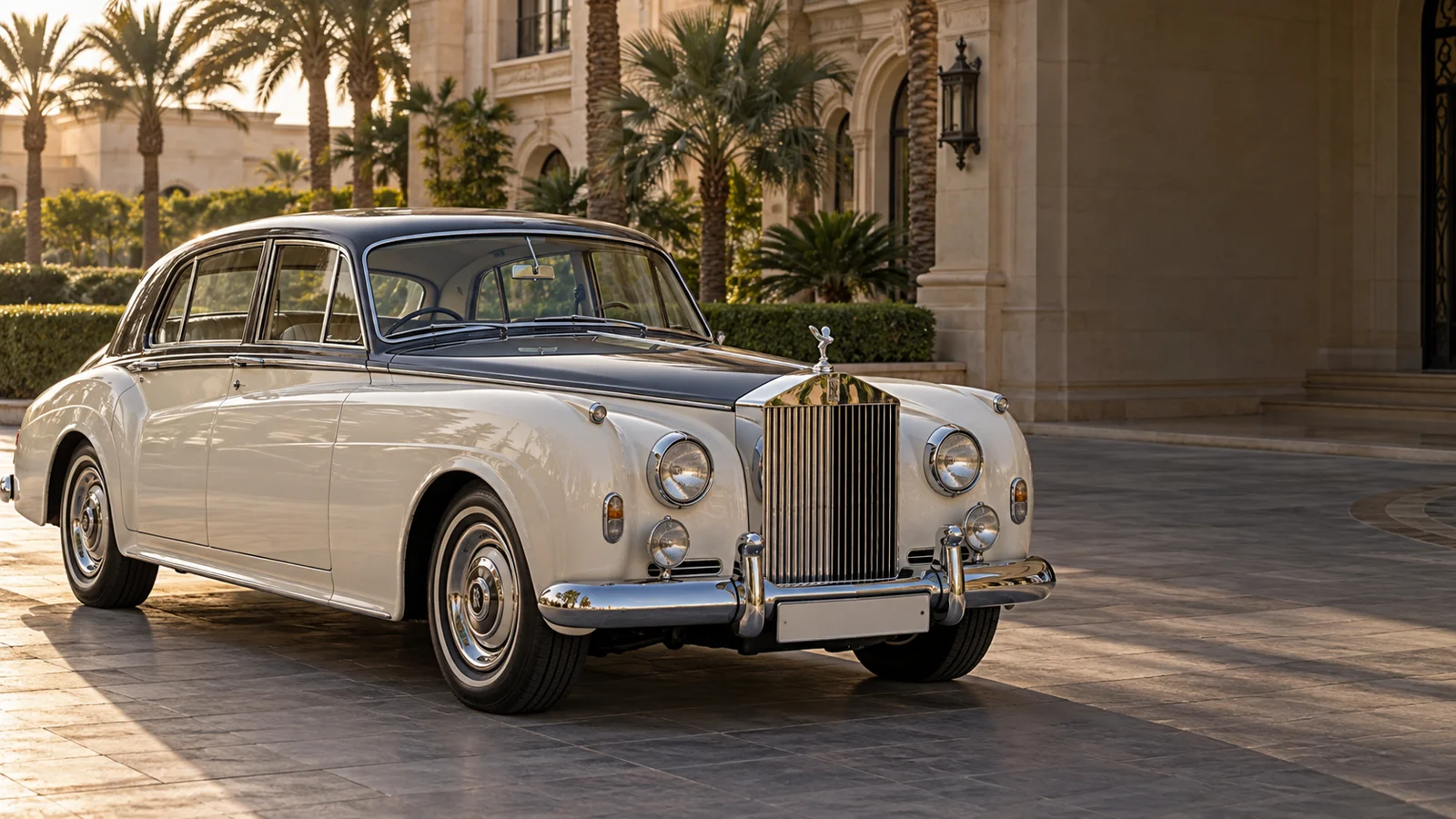
Decoration, door opening and nearby space
If vehicle decoration is planned, describe the agreed arrangement and ask what needs review around door opening and drop-off. Do not assume permission to attach anything to the car or transfer venue decorations onto it without approval. Avoid last-minute modifications requested by a photographer or organiser that have not been discussed with the vehicle provider.
Review space for the photographer and people assisting the couple so the arrival does not produce conflicting instructions. Include a large dress, companions and photography items in the passenger requirements. A promotional interior photograph is not a promise of the space available in the confirmed vehicle. Useful details are those the team can review against the actual car and site before the wedding.
Separate drop-off from vehicle waiting
Ask where the car waits after drop-off and whether waiting is required within the booking at all. A venue may allow passengers to get out and then require the car to move to another parking area, making the later meeting a separate planning item. Booking a wedding vehicle does not automatically allow it to remain outside the entrance throughout the event.
If you need the car again for photography or a return, specify the expected time, meeting point and contact for changes. Discuss the distinction between a transfer ending after arrival, an arrangement with agreed waiting and a separate later return. Review availability, inclusions, cost and change terms against the actual use you want rather than assuming one option offers unlimited flexibility.
Prepare an alternative if entry is unsuitable
Prepare an alternative point for review if access to the preferred drop-off cannot be established. It may be another location agreed with the venue and booking team, but it is not a confirmed backup until permission, suitability and the couple’s onward access are addressed. ‘We will work something out’ is not a usable alternative plan.
Identify who authorises the alternative
Record when it would be used, who decides and how the photographer, organiser and couple will be informed. If it changes the walking distance or assistance needed, discuss the effect early. If neither arrangement works, ask about another vehicle or a revised arrival point instead of pressing ahead with an unreviewed approach. The backup should reduce uncertainty rather than disguise it.
Apply the same review to preparation and photo locations
The journey may start at a hotel or preparation location, then include a photo venue before the wedding hall. Review the vehicle entrance and boarding or drop-off point at every stop, not only the final destination. An arrangement suitable for the hall may need a different approach at the hotel or a photography property with separate access and parking.
Give each stop a contact, requirements and expected vehicle involvement, then connect it to the day’s timeline without compressing everything into an unrealistic schedule. Keep unresolved locations on the open-items list instead of telling the team they are ready. A complete review is not a long destination list: it establishes what happens at each stop and who answers when the arrangement changes.
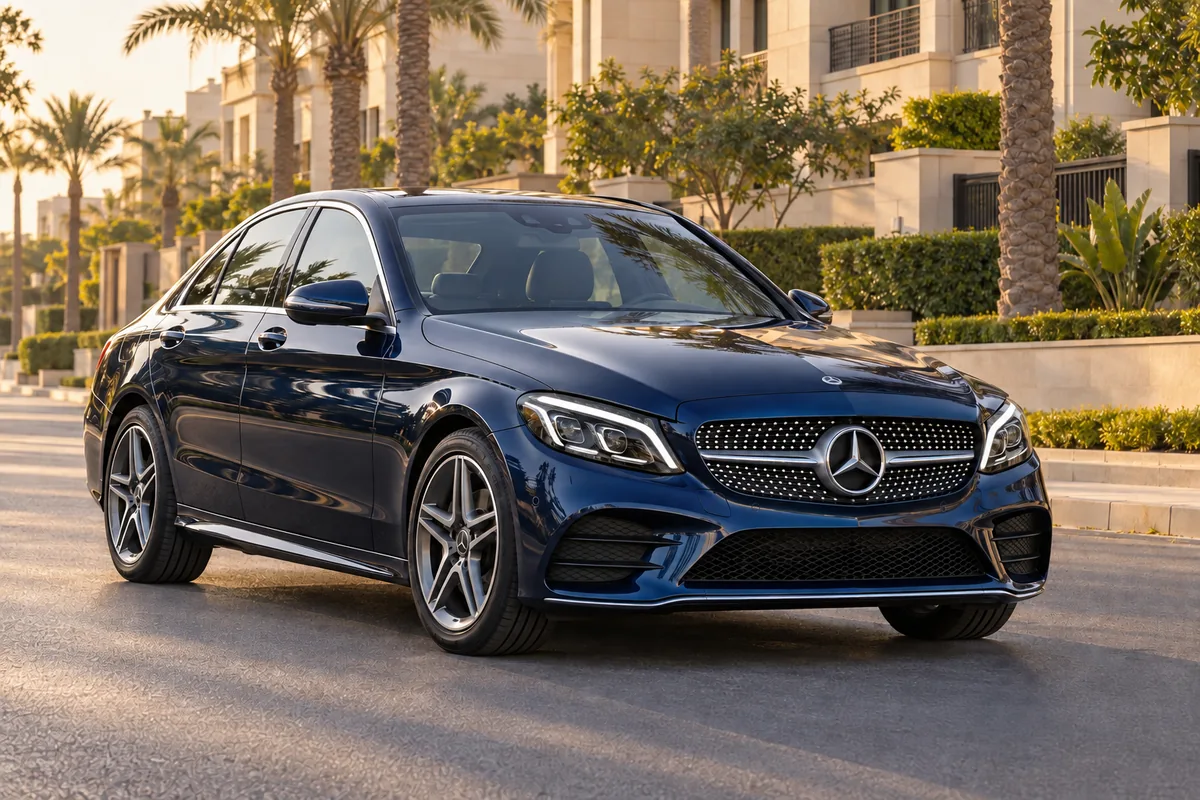
Worked example: a main entrance and separate parking
Imagine a venue with an attractive frontage, a side vehicle entrance and a separate waiting area. The coordinator first obtains the vehicle gate, drop-off, exit and parking details, then shares them with the booking team to review the proposed car. If the photographer wants a frontage shot, it is discussed with the venue as an additional request rather than assumed possible.
If the preferred point cannot be confirmed for a stretch limousine, the team and coordinator review another drop-off or category, then inform the couple and photographer. This is a hypothetical example, not an assessment of a particular venue or vehicle. It illustrates the sequence: site information, vehicle review, agreement on drop-off, photography and waiting, then one final plan shared by those involved.
Handle a changed gate or arrival time
If the venue changes the gate or entry arrangement, send the complete update and state that it replaces the previous plan. A new map pin buried in a long conversation does not explain what changed, and receipt does not mean vehicle suitability for the alternative approach has automatically been reviewed.
Ask the booking team to acknowledge the update and review its effect on the vehicle, timing and arrangement, then inform the photographer and organiser of the outcome. If only the arrival time changes, check whether the agreed drop-off, photography and waiting arrangements still apply at that time. One authorised person updating the plan reduces conflicting instructions, particularly when the couple are occupied with preparations.
What to record in the booking details
Bring the wedding date, stops, expected departure timings, agreed vehicle or category, passenger count and confirmed decoration or photography requests into one booking summary. Add the vehicle gate, drop-off, waiting and return arrangements where applicable, plus coordinator and venue contacts. Keep unresolved points visible rather than recording them as settled.
Review inclusions and how a changed car, gate or added stop is approved, including any effect on cost or waiting under your terms. ‘Covers the wedding’ is not a precise service scope, and decoration or photography waiting should not be assumed included because it appears in an advertisement. A useful summary connects your requests to what the team has actually confirmed.
Messages for the venue and booking team
To the venue: We are arranging the couple’s car on [date]. Please confirm the vehicle entrance, approach to drop-off and exit, and any instructions or verified information about the gate, ramps and waiting. Is there a permitted vehicle photography point, and who coordinates on the day? We will share the details with the vehicle team for a suitability review.
The enquiry for the vehicle team
To the booking team: I need a wedding car on [date] for [stops] and [passengers], with [confirmed requests or items to review]. Here are the venue contact’s access information, images or instructions, the preferred drop-off [location] and proposed alternative [location]. Please review suitable categories, route feasibility, photography, waiting, return, inclusions and change terms. This is an enquiry; the agreement follows review of the response, availability and details.
A final review before the wedding day
Before the wedding, check that the vehicle gate and drop-off have not changed and that relevant parties know about new equipment or arrangements. The coordinator should keep a clear plan, the photographer should know the approved photo point, and the couple should know where they will get out and who will receive them. Avoid sending the driver new instructions from several people without booking-team review.
If an important item is unanswered, address it before departure instead of hiding it inside ‘everything is fine’. Identify the next action and its owner, and review the alternative if the original point cannot be confirmed. A short coordinator message with the address, gate, drop-off and contact is easier to use during preparations than searching a long conversation.
Conclusion: an organised arrival starts with clear information
Planning to rent a wedding limousine in Egypt involves more than choosing an attractive photograph. Review the vehicle entrance, approach, drop-off, photography and waiting, combine venue information with the vehicle team’s review, and agree a clear plan and alternative where needed. A car that suits the venue starts with details that can be established before the couple arrive.
For enquiries and bookings with Limousine Cairo, use WhatsApp on +20 111 897 4446 or call +20 111 897 4446, +20 111 897 4448 or +20 111 896 4445. Bookings are by phone or WhatsApp only. The available vehicle, arrangement suitability, inclusions, cost and applicable terms are confirmed when you contact the team.
Frequently asked questions
Can a stretch limousine enter every wedding venue?
That cannot be established from its category or photograph. Review the vehicle gate, approach, drop-off and exit with the venue and booking team for the proposed car. If suitability is not established, discuss another point or category before confirming.
What venue information should I request before choosing the car?
Ask for the vehicle gate, entry and exit route, drop-off, waiting area and any verified access instructions or information. Check the permitted photo point and wedding-day contact, then share the details with the vehicle team for review.
Is the venue’s entry permission enough?
Venue permission establishes what is allowed, but does not replace a vehicle suitability review. Combine site information with the vehicle team’s assessment and resolve open points before telling the couple and photographer that the arrival arrangement is confirmed.
Are entrance photography and vehicle waiting automatically included?
Do not assume either from the wedding service name. Ask the venue about photography and parking permission, and the booking team about vehicle involvement, inclusions, waiting or a later return. Confirm both requests before relying on them in the programme.
What if the vehicle entrance changes before the wedding?
Send the complete new gate and approach details to the booking team and request a review, then inform the coordinator, photographer and couple of the confirmed arrangement. A new map pin alone is not approval to use it. Review the alternative if suitability remains uncertain.