
Rent a Car for the Grand Egyptian Museum in Egypt: Your Visit and Return
A visit to the Grand Egyptian Museum starts before you reach the galleries. First comes a suitable date and an admission booking, followed by transport that fits your group, pickup address and return plans. When these details work together, the day becomes easier to manage, with fewer calls interrupting your visit because the return time or an extra stop was never agreed.
If you want to rent a car for the Grand Egyptian Museum in Egypt, this guide will help you prepare a clear request while keeping transport separate from the museum experience. It explains how to connect your entry window with the journey, choose a sensible return arrangement and account for children, luggage and mobility requirements. Tickets, a guide and other extras should only be treated as included when they have been expressly confirmed.
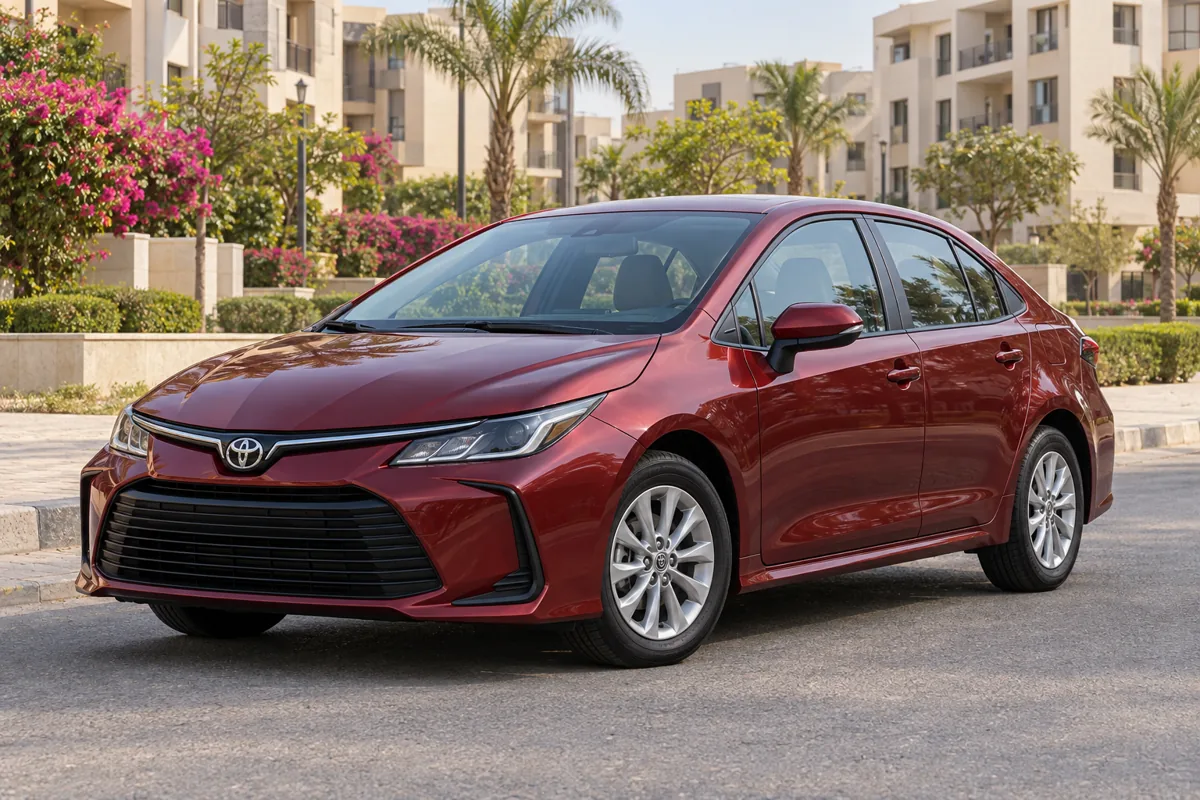
The car images in this article are illustrative, including the AI-generated featured image. They do not document the actual fleet or vehicle access points. The available vehicle and arrival arrangements are confirmed when booking.
Give the museum a day with clear priorities
Treat the museum as more than a quick photograph stop. Members of your group may want to study particular objects, listen to an explanation or take a break. Build the day around their interests rather than the number of places you can fit into it. Ask each person what matters most, then choose priorities that can work together within the visit.
A dedicated plan does not necessarily mean staying all day. It means avoiding a second commitment that dictates your pace in every gallery. If some visitors enjoy detail and others prefer a lighter visit, agree on meeting points and shared breaks. This also helps when requesting transport: the company can understand whether you need a straightforward return transfer or an agreed period of car use with a wider scope.
Identify the destination clearly before booking
Write the full destination name, Grand Egyptian Museum, and share a location link you have checked. A request for the “Egyptian Museum” alone can leave room for a different interpretation. The museum’s official Plan Your Visit page is a useful starting point for current location and arrival information.
Also explain whether pickup is from a hotel, a home or another address. Include the property name and the relevant entrance if there is more than one. Do not leave the museum drop-off arrangement to assumption: ask where the car can stop and how the collection point will be coordinated. A photograph of a building or forecourt does not establish vehicle access. Use current arrival instructions and the arrangement actually confirmed for your day.
Keep admission and transport as separate bookings
Prepare museum admission and your car arrangement as two separate parts of the day. Review the experience choices on the official Grand Egyptian Museum ticket portal. The choice between admission and an option involving a guided visit affects how you organise your time. Having a chauffeur does not mean having a guide inside the museum.
When contacting Limousine Cairo, say whether you already have tickets. Do not assume that admission, guide fees or another reservation is included in the car booking unless this is explicitly confirmed. If you want help coordinating an additional element, ask whether that can be arranged and what it covers before paying. Keep the booking details separate so that you know whom to contact if either your entry time or your transport arrangement changes.
Understand your entry window before setting pickup
The official ticket portal explains that the selected entry time is an admission window, rather than a limit on how long visitors may stay. Museum opening hours and ticket conditions still apply. Do not therefore set your return on the assumption that the end of an entry window automatically ends your visit. Check the details attached to your own reservation.
Start with admission, then discuss departure from your particular address with the transport company. Allow for reaching the area and completing arrival arrangements, without treating a journey estimate as a guarantee. Mention any wish for a pause before the visit, or any visitor who needs a slower pace. A useful pickup plan covers the journey and preparation for entry; it is more than the driving duration displayed by a mapping application.
Check gallery hours as well as complex hours
The official planning page distinguishes gallery opening hours from those of the wider museum complex, and schedules can differ by day. Check your chosen date when booking and again before travelling. Other facilities remaining open should not be taken to mean that gallery access continues for the same period.
This matters particularly for a later visit. Decide what you want to accomplish in the galleries before adding anything around it. A meal or a wait for other members of the group should not consume the time needed for the main priority. It helps to have one person check the reservations and share the details with everyone, rather than allowing different visitors to work with different assumptions about when the main visit begins or ends.
Choose a pickup arrangement that works for everyone
Meeting at one address can be simpler than collecting people from several locations, but it is not automatically the right choice for every group. Consider how easily each visitor can reach a shared point and how much travelling they would do before boarding the car. Where children or people needing assistance are involved, collection from their accommodation may suit them better, subject to the arrangement available.
If you need multiple pickups, send the addresses in the required order before confirming the booking. Avoid adding them on the morning of the visit as though they were guaranteed short stops. Explain who will be ready at each address and nominate the group’s contact person. Our guide to planning a Cairo city tour from your hotel can help if the museum is part of a broader stay.

Choose a car around passengers and belongings
A suitable car for a couple may differ from one for a family with a pushchair or a group carrying travel luggage. Start with the actual passenger count, then describe bags and equipment before discussing available vehicle categories. A model name or photograph alone is not enough to judge seating and storage: individual vehicles and configurations can differ.
If you prefer a Mercedes, make that a request whose category and availability need confirmation. If easier family travel is the priority, explain the requirement directly. Read our guide to matching a car with passengers and luggage before sending your details. The company should confirm the appropriate available vehicle. Any child seat requirement also needs a separate availability check rather than an assumption that it comes with the usual equipment.
Compare three return arrangements
An outbound transfer, a return booking at an agreed time and a period of car use involving waiting are different arrangements. Do not automatically choose the last simply because you are unsure how long the visit will take. Ask what each option covers and how a change to collection time would be handled.
A planned return time can help when your admission and visit format are already clear. If the group wants a slower pace, discuss a workable way of coordinating departure without assuming the chauffeur remains available throughout the day.
| Arrangement | What to clarify |
|---|---|
| Outbound only | Who will arrange the return and how |
| Outbound and return | Collection time, meeting point and changes |
| Agreed period with waiting | Duration, route scope and terms for exceeding it |
Build a manageable plan for the galleries
Before visiting, write down three priorities instead of a long list that will be hard to follow. These might involve particular objects, a selected guided experience or giving children time to explore what interests them. Connect those priorities with opportunities to sit down and rest, and review the visitor information available when you arrive.
You do not need to allocate a minute to every gallery. A sequence of priorities and a point for deciding whether to continue or simplify is enough. If the start runs late, avoid trying to recover everything by walking faster. Remove an optional element while keeping the main experience. Return coordination becomes easier when the group knows what it genuinely wants to complete and what can wait for another visit without making this day feel unsuccessful.

Prepare for children without carrying too much
With children, small practical arrangements often help more than a crowded schedule. Keep journey essentials in an accessible bag and check museum rules before bringing food, equipment or a pushchair inside. Rather than promising to see everything, choose an idea or theme for the child to look for and leave room for rest when their energy changes.
When requesting the car, give children’s ages and explain any suitable child seat requirement. Ask how it would be arranged and whether it is available. Simply including children in the overall passenger count does not describe the need. Adults can divide responsibility for tickets, belongings and chauffeur communication so that one person is not making every decision. The return plan should also allow for the possibility that children tire before adults feel ready to finish.
Discuss mobility and assistance before confirming
The museum’s official frequently asked questions describe accessibility facilities for wheelchair users. Vehicle requirements still need a separate conversation. Describe the wheelchair or mobility aid, explain whether and how it folds, and say whether the passenger needs assistance transferring between it and a vehicle seat.
Ramps or lifts at the destination do not make every car suitable for the journey. Ask about storage, access height and the assistance that can actually be provided. Confirm any accompanying person’s needs too. Discuss the available drop-off point and the onward access arrangements under the venue’s current organisation. The aim is for everyone to understand what can be arranged beforehand, rather than relying on a broad promise that may not address the individual visitor’s requirements.
Organise luggage before reaching the museum
A visit between leaving your accommodation and travelling to another address may involve more luggage than an ordinary day out. Check the museum’s baggage policy: larger items are subject to storage rules and should not be assumed suitable for carrying into the galleries.
Discuss bag numbers and sizes with the company, along with where they would remain during the visit and who is responsible for them. Leaving luggage in the car is not automatically available or included because you booked an outbound and return journey. Keep essential medication, documents and important personal belongings with you in a way permitted by the venue. A small day bag is easier than opening a suitcase beside the vehicle. If luggage cannot be arranged clearly, changing the order of the day may be more practical than solving the issue after arrival.

Treat photography as part of the visit
If photography matters to you, review current museum rules before packing extra equipment. Permission for a personal picture does not mean every tool or type of use is allowed. Check any requirements relevant to the photography you intend, and do not build the day around the assumption that a regular admission booking permits an organised photo session.
A photography stop on the journey also needs agreement and a location where stopping is permitted. Do not ask the car to obstruct traffic for a particular angle. The car photographs in this guide are illustrative: they do not establish availability of a specific vehicle or access to a particular photography location. The actual car and arrival arrangements are confirmed when booking. Enjoy the permitted photo opportunities without turning the day into a tiring succession of stops.
Allow for a meal or break without overcommitting
Consider a break part of the group’s comfort rather than an activity that must happen regardless of circumstances. Agree whether it belongs within the visit or after leaving, and check the available facilities and venue rules directly. Different food preferences should not create a long wait that consumes gallery time or disrupts collection.
If you want a restaurant stop outside the museum afterwards, send the address to the company and confirm that it is part of the route. Saying you will “eat somewhere nearby” does not establish a distance, duration or destination. Choosing later may be possible under your arrangement, but still needs coordination. Keep the focus on a comfortable visit and an organised return rather than tying the day to another reservation that becomes difficult to meet.
Decide carefully whether to add another destination
Another stop can make sense when it serves a clear interest and fits both admission and return arrangements. Proximity on a map is not enough. A second attraction has its own arrival arrangements, entry requirements and visit. Ask whether it adds an experience the group actually wants or simply makes everyone watch the clock throughout the museum.
Discuss it before booking the car and identify whether it is a confirmed part of the route or an option requiring review.
| Day plan | When it may fit |
|---|---|
| Museum, then return | Priority is a relaxed visit with room for breaks |
| Museum, then an agreed stop | Group preferences and both destinations’ arrangements align |
An extra stop is not automatically included. Retain the option to drop it if circumstances change.
A practical example: a family leaving from a hotel
Suppose a family has booked museum admission and wants to return to its hotel afterwards. Its coordinator sends the hotel name and location, adult and child numbers, and a description of the pushchair and small bags. They request a chauffeur-driven car and check the required child seat arrangement. That gives a much clearer starting point than simply asking for “a car to the museum.”
Next, they share the entry window and discuss a suitable departure arrangement, explaining their visit priorities and how they intend to coordinate collection. They agree a return time or a clearly understood adjustment process with the company. A restaurant or second attraction is added only after confirmation. This is a planning example, not a fixed package or a promised journey duration. A couple or a group of friends can adapt it to their own passenger count and needs.
Send a booking brief with the important details
Begin with the visit date, pickup address and location link, passenger numbers and children’s ages where relevant. Add your booked entry window. Explain any preference for a vehicle category or need for pushchair, wheelchair or luggage space. Then describe the final destination and the return arrangement you want.
A useful message might say: “We need a car with a chauffeur for the Grand Egyptian Museum on this date, leaving this hotel. These are the passengers and belongings, our admission window is this, and we want a return to the hotel with waiting and adjustment terms explained.” These details support a discussion of our chauffeur-driven car rental service. Send the key information in writing to reduce misunderstanding, then use a call when a particular requirement is easier to explain in conversation.
Review the agreement before confirming
Check the available vehicle and category, passenger count, route, pickup point, drop-off arrangement and return. Ask specifically about waiting, extra stops and how a change to the agreed scope would be handled. Details in your opening message should not be treated as confirmed until the company has clearly addressed the points that affect the booking.
Confirm the contact method for the day and what to do if passenger numbers change or another bag is added. If you need tickets, a guide, a child seat or particular assistance, check each element separately. Limousine Cairo bookings are made by phone or WhatsApp only. Call 01118974446, 01118974448 or 01118964445, or send your details through our booking WhatsApp.
Keep communication simple on the day
Have admission details and belongings ready before pickup. Check that the group coordinator’s phone is working and that everyone knows the meeting point. Several people contacting the chauffeur independently can create conflicting instructions, so it helps to let one person communicate changes after the group has agreed them.
Before getting out, review the return contact process and how the collection location will be confirmed. Do not assume the drop-off spot remains available for collection throughout the day. As the visit approaches its end, contact the company through the agreed process. Check that all visitors and belongings are together before leaving. These small steps provide organisation without requiring repeated calls while you are trying to enjoy the galleries.
If plans change, adjust priorities before adding requests
Someone may run late, the family may need a longer rest, or the group may want to leave early. Tell the company as soon as you know and check whether the change can be accommodated within your booking. A later collection or a new destination is not automatically available, and a group decision should not become a promise that the company has never confirmed.
If your admission changes, contact the ticket provider as well as reviewing the car arrangement: changing one does not automatically change the other. When time becomes limited, remove an optional part rather than compressing the whole visit. Aim for a workable plan, with any consequences understood before accepting a change, rather than preserving every item in the original programme regardless of circumstances.
Conclusion
Renting a car for the Grand Egyptian Museum in Egypt becomes simpler when you start with admission and visitor needs, then choose the vehicle and return arrangement around them. Keep tickets and guiding separate from transport, review current museum instructions and send a clear brief before confirming. Contact Limousine Cairo by phone or WhatsApp to check the available car and agree the scope of your journey.
Frequently asked questions
Does the car booking include Grand Egyptian Museum tickets?
Tickets are not automatically part of the car booking. Arrange admission through the official channel and review the option that suits your visit. If you request another arrangement from the company, check whether it can be provided and exactly what it covers before confirming.
Will the chauffeur provide a guided museum visit?
A chauffeur is not automatically a museum guide. If you want specialist commentary, review guided visit options and their requirements separately. Do not assume the transport service includes an accompanying guide or a tour inside the galleries.
Can I arrange collection when the visit finishes?
You can request an arrangement suited to your plans, but collection timing, waiting and changes need confirmation when booking. Explain whether you need an outbound transfer, a return journey or an agreed period of use, and establish the contact process and meeting point.
Which car suits a family with a pushchair?
The choice depends on passenger numbers, pushchair and bag sizes, and any child seat requirement. Send these details before selecting a category and ask for confirmation of the space and equipment available. A vehicle photograph alone is not enough to judge suitability.
Can I add a stop after the museum?
Request it before confirming the route and identify the destination. Availability depends on the agreement, timing and practical arrangements. An extra stop or waiting is not automatically included. If you decide on the day, confirm feasibility and any consequences before changing the plan.