
Rent a Car for Older Passengers in Egypt: Access and Comfort Guide
When organising a journey for a parent, you might begin by asking for a larger car or a more luxurious category. A more useful question is whether the proposed vehicle suits the person who will use it. One passenger may prefer a familiar seat, while another cares most about a convenient drop-off point or enough time to prepare before departure.
This guide to renting a car for older passengers in Egypt turns those preferences into practical details for a chauffeur booking. It covers the seat, doorway, stopping place, accompanying person and return journey, without assuming that older people share identical needs or that a model name determines comfort. Start by involving the passenger, then confirm what can be arranged in the available vehicle.
Start by asking the passenger what they prefer
Have a simple conversation with the person travelling. Which cars do they usually find comfortable? Do they prefer the front or rear? Would waiting outside the building or collecting people from several addresses bother them? Answers may reflect habit or a previous experience more than age, so avoid deciding every detail on their behalf.
If one family member contacts the company, pass on the preferences accurately and distinguish a pleasant extra from a requirement affecting the journey. A colour preference differs from needing space for a mobility aid. Summarise a few priorities rather than asking only for “a comfortable car for an older person,” which leaves everyone to interpret comfort differently.
Describe the whole journey, including the return
Define the trip: a family visit, occasion, hotel transfer or another clearly identified destination. Give the pickup address, final destination and whether a return is required. The company does not need private details about the visit, but it needs information affecting timing, addresses and movements.
Think about what happens before boarding and after leaving the car too. Will the passenger wait indoors until ready to come out? Who will meet them at the destination? If family members have other tasks that day, decide which genuinely belong in this journey. Unnecessary errands can complicate a straightforward arrangement. A complete plan lets you request transport for the actual day instead of giving a destination name that leaves the remaining requirements unexplained.
Review seat height around the person’s preference
Do not treat a “high” or “low” car as a final verdict on comfort. Ask about the seat the passenger will use and how it compares with what they are accustomed to. A previous positive experience with a particular vehicle is a useful discussion reference, rather than a guarantee about every similar car.
The RiDC advanced car measurements resource includes seat height, door openings and entry space as comparison factors. Use it to understand the questions, while confirming the actual booking vehicle. A figure from another version or model year should not become an assumed specification for a car available in Egypt. You need information relevant to the proposed vehicle and its passenger.

Consider the doorway and sill as part of entry space
A photograph of the seat alone does not show the whole entry area. Where needed, request a clear image of the open door and the space between it and the seat. This makes the discussion more specific. Mention any important observation the passenger has about entering cars they have used before.
The RiDC guide to choosing a car distinguishes door openings, sills and space around the seat. These are points to review, rather than a recommendation for a particular model. Avoid requesting improvised equipment or vehicle alterations to resolve an unreviewed difficulty. Clarify uncertain entry details before confirming instead of discovering a mismatch at the start of the trip.
Check headroom and foot space in the intended position
Adequate space means what the person needs in the intended seat, rather than a general description of the cabin. Ask about the area in front of and around them, and explain if their height or accompanying belongings makes this particularly relevant. A wide-angle photograph can make a cabin look larger than it feels.
Check whether images show the correct seat and whether the front seats are positioned as they would be during the journey. Photographs cannot settle everything, but they can guide useful questions. Mention a car the passenger has used comfortably and ask for a practical comparison without assuming identical dimensions. Any essential requirement the company cannot confirm should remain an explicit point for review before agreement.
Identify the requested seat and confirm the arrangement
Someone may prefer the front or a side position in the rear because of familiarity or personal comfort. Mention this early and ask how it can be arranged with your passenger count. Booking a vehicle category does not automatically confirm every seating position, particularly if the group or its belongings later changes.
Consider the accompanying person too. Does the passenger want them beside them, and does that fit the rest of the family? Agree internally before sending the request. Do not present one position as universally suitable or as an alternative to using the seat belt. You are planning appropriate seating within normal vehicle use. Any requirement beyond that needs a clear description and verification before booking.
Compare saloons, SUVs and vans through specific questions
A body style is a starting point, rather than a complete answer about ease of use. When comparing a saloon, SUV or passenger van, ask about the actual car, intended seat and belongings. A larger body or higher position does not establish suitability for every individual.
| Category under discussion | What to review |
|---|---|
| Saloon | The intended seat, doorway and seating space |
| SUV | Whether the entry height suits the person |
| Passenger van | Seat layout and access to the intended position |
For a larger party, our guide to choosing a car for passengers and luggage helps you prepare a clear brief. Every comparison remains subject to confirmation of the category, actual vehicle and available configuration.

Request images and information that answer your questions
Rather than asking for many photographs without a purpose, explain what you need to see: the proposed seat, door, space in front of the passenger or boot for a mobility aid. Ask whether the pictures show the vehicle proposed for your booking or illustrate the category. They support different kinds of decisions.
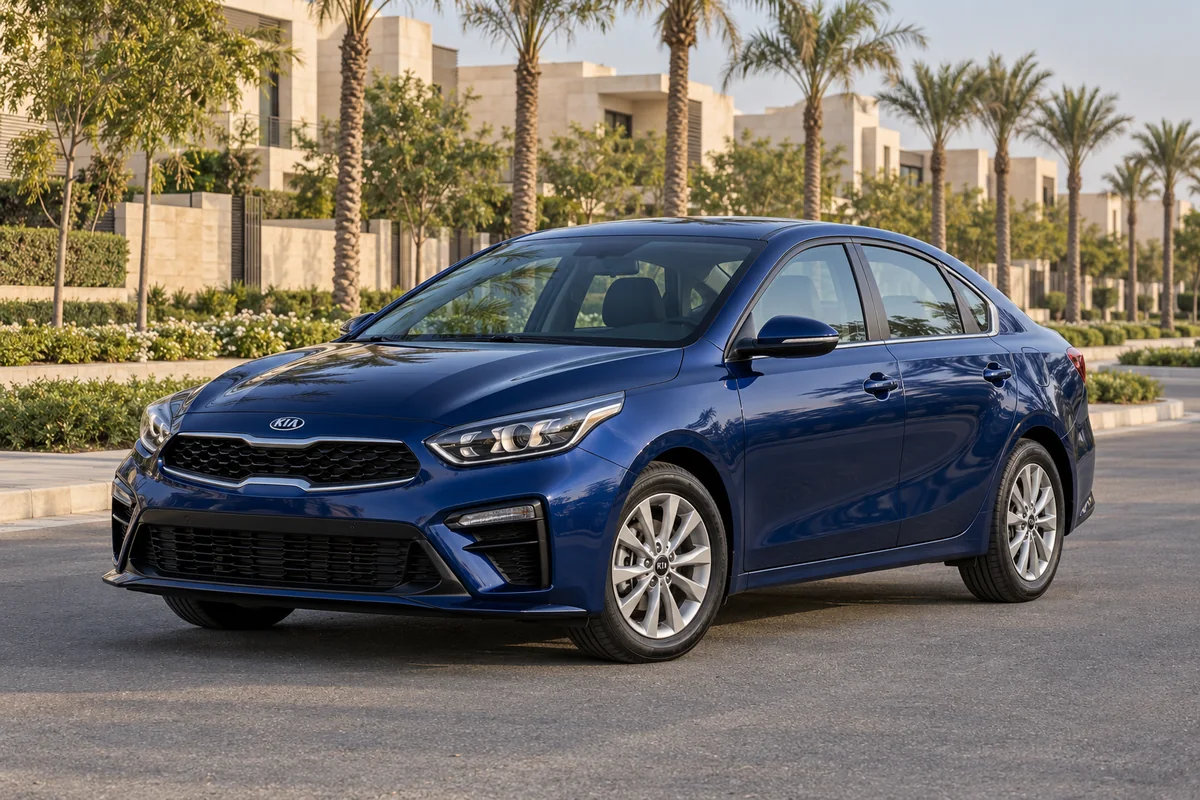
The images in this article are illustrative, including the AI-generated featured image. They do not document the actual fleet or equipment for a particular requirement; availability is confirmed when booking. Use images to begin a discussion rather than replace a description of your needs. Ask for a written answer where a detail is essential. Both parties should understand what is confirmed and what still needs review.
Discuss how suitability can be checked before confirmation
If the passenger is unsure about a category they have never used, ask the company how suitability could be checked before confirming. Information and photographs may answer a straightforward question, while another concern may require a different arrangement the company accepts. Viewing or trying the car should not be assumed available automatically.
Include the person travelling in that decision instead of relying only on relatives’ opinions about exterior appearance. Explain what you need to establish and which points determine the choice. An unresolved essential requirement should not become an assumption. A later vehicle change also calls for a review: a similar category, price or luxury level does not necessarily reproduce the entry and seating details previously considered.
Choose a clearly workable boarding point
Send the pickup address, correct entrance and location link, then discuss where the car can stop legally and practically. Describe multiple gates or a restricted area outside the building before the trip. Explain where the family will wait until departure is coordinated.
A correct address is not enough if people expect to meet at different doors. Nominate someone to contact the chauffeur instead of having the passenger search for the car. If the preferred spot is unavailable, discuss an alternative before adopting it. Do not assume the vehicle can use a pavement, passageway or reserved entrance. Agree a workable meeting place and review the onward distance with the passenger’s own preferences in mind.
Review the destination approach and arrival handover
The destination might be a hotel, home or event venue. Ask the host about the appropriate entrance and available passenger drop-off area. The nearest map point is not necessarily the actual arrival point. Share venue instructions with the company so that the transport plan reflects the site’s arrangements.
Identify who will meet the passenger if they want company into the building. Ask the venue directly about its facilities or assistance; a car booking does not confirm destination services. For sightseeing, our guide to planning a Cairo tour from your hotel helps organise the rest of the day. Apply the entrance check to each stop instead of concentrating on the first address alone.
Allow clearly agreed time for boarding and leaving
When discussing timing, explain that the family wants enough time to prepare and board without being rushed. The schedule is more than the drive between two addresses: belongings, communication and coming out of the building form part of departure. What is needed varies with the people and location.
Ask how that arrangement fits the booking and how contact works when the car is nearby or ready at the agreed point. Waiting should not be assumed unlimited or included. Prepare belongings before the family comes out, and notify the company early if more time is needed. Everyone should understand the desired pace and the available arrangement, without treating a road estimate as a promise of arrival at an exact minute.
Define the accompanying person’s role and group size
Include any accompanying person in the actual passenger count and explain the seating arrangement needed. They might communicate with the company, handle personal belongings or meet the passenger at arrival. Do not leave their role implicit if others are depending on them. The person travelling should also understand the plan.
A chauffeur does not automatically provide a personal attendant or specialist physical assistance. Ask what ordinary help can be provided and its limits. Requirements beyond that need to be explained and checked separately. Do not infer transfer assistance or special equipment from the word limousine. Review passenger numbers if another relative joins, as this can affect the seat arrangement the group discussed.
Describe mobility aids and luggage without assumptions
If the passenger uses a mobility aid, explain whether it will be carried as an item after folding or whether a different arrangement is required for the person travelling. Supply folded dimensions and a suitable picture if requested, alongside luggage details. Saying only “a wheelchair” does not explain its size, transport method or all requirements.
The RiDC car search FAQs distinguish information about standard vehicles from wheelchair accessible vehicles. Carrying a folded wheelchair in a boot is different from travelling while remaining in it. State any requirement for specialised equipment at the outset and request explicit confirmation of whether it can be met. Do not assume it is available or included in a standard passenger car.
Discuss cabin preferences before departure
Ask what would make the journey more pleasant for the passenger, such as sound level or their preferred air conditioning setting, and communicate it practically. Do not assume every vehicle has a particular function or extra item. Some requests are preferences to discuss, while others need checking before choosing the car.
If quiet is preferred, explain that through ordinary chauffeur coordination. Decide who will make any arrival call, and avoid filling the seating area with unnecessary belongings. Review the day bag and keep essentials within normal vehicle use. A category should not be described as eliminating fatigue or resolving a health problem: personal comfort cannot be guaranteed by a vehicle name.
Simplify unnecessary stops and organise the remaining ones
Review each proposed stop and ask why the passenger or family needs it. Some errands can happen another time, while a particular stop may be an enjoyable part of the day. There is no universally right number, but people should understand their itinerary rather than discover that a direct journey has become a series of collections and errands.
For a longer journey, discuss any requested break and possible location before adopting it. Avoid presenting one interval as suitable for all older passengers. Establish the individual’s preference first, then tell the company about stops affecting the route. Family members can also divide tasks so the passenger is not waiting in the car for someone else’s business. Confirm additional movements needed for that arrangement.
Agree a return arrangement matching the appointment
Where the visit has a known finish, discuss a return time and meeting point. If the end is uncertain, explain that and ask about available options. An outbound transfer, an outbound and return booking and an agreed period involving waiting are different arrangements. A broad description should not imply all-day chauffeur availability.
| What you know about the return | What to agree |
|---|---|
| A clear finish time | Pickup time, point and contact process |
| A potentially changing finish | Adjustment options and agreed waiting limits |
| A different return address | The new destination and journey scope |
Choose who confirms readiness to leave and review collection instructions at the venue. The return meeting point may differ from the original drop-off.

A practical example: an organised family visit
Suppose a daughter is arranging a visit for her parents to a relative. She starts by asking about the seat and cars they are used to, then lists passengers, belongings and the home departure point. Any mobility aid is described clearly. She discusses the proposed vehicle and the details the family needs to check with the company.
She asks the host about the entrance and who will meet her parents. Together they choose a known return time or a contact process confirmed by the company. A shopping errand is not added without their agreement and confirmation within the booking. This is a planning example, not a fixed package or promise of extras. It can be simplified for a person travelling alone or adapted for a larger group after reviewing individual requirements.
Write a booking message covering the relevant details
Start with the date, pickup and destination addresses, and passenger count. Add the preferred seat and questions about entry or belongings, followed by the accompanying person and return plan. Distinguish an agreed element from a request the company still needs to review. Private information unrelated to transport is unnecessary.
You might write: “We need a car with a chauffeur for a family visit on this date. These are the passengers, seating preferences and belongings. Please confirm a suitable available car, pickup, return and waiting arrangements.” That supports a discussion of our chauffeur-driven car rental service. You can also view our vehicle categories to start the enquiry, with actual availability and equipment confirmed when booking.
Check confirmation again if the vehicle changes
Before confirming, match the agreed car or category, passengers, requested seat, addresses, timing and return. Ask about waiting and any requested assistance. If an essential detail remains unresolved, request clarification rather than treating silence as agreement. Share one summary with the family and accompanying person.
If the vehicle, group size or belongings change, review the affected details again: the practical points discussed relate to a specific arrangement. Limousine Cairo bookings are by phone or WhatsApp only. Call 01118974446, 01118974448 or 01118964445, or send the details through our booking WhatsApp to confirm the available vehicle and service scope before the journey.
Conclusion
Renting a car for older passengers in Egypt starts with listening to the person travelling, then reviewing the seat, entry, stopping places, accompanying person and return. Choose using clear requirements and information about the actual vehicle, and confirm special requests beforehand. Send Limousine Cairo the details by phone or WhatsApp to establish the available arrangement for your journey.
Frequently asked questions
Is a higher vehicle always better for older passengers?
There is no universal answer. Ask the passenger what they prefer and review the proposed seat and entry area. An SUV label or higher body alone does not establish suitability. Confirm the details that matter before choosing.
Can I request a particular seat in the car?
Explain the preferred seat and whether someone accompanies the passenger, then ask for confirmation with the actual group size. Choosing a category alone does not confirm a specific position or every detail of the seating arrangement.
Can a folded wheelchair travel with the luggage?
That depends on its folded dimensions, the bags and the actual vehicle space. Send the details beforehand and request confirmation. This differs from a journey where the person remains in a wheelchair and requires a specially equipped vehicle.
Does a chauffeur booking include an attendant or specialist assistance?
Do not assume a chauffeur provides an attendant service or specialist physical help. Describe the requirement and ask about the limits of assistance that can be arranged. Additional equipment or services need separate confirmation before booking.
How can I arrange the return when the visit has no fixed finish?
Explain the appointment when booking and discuss waiting or collection adjustments under the available arrangement. Agree the contact process, meeting point and service scope. Waiting and destination changes should not be assumed included automatically.