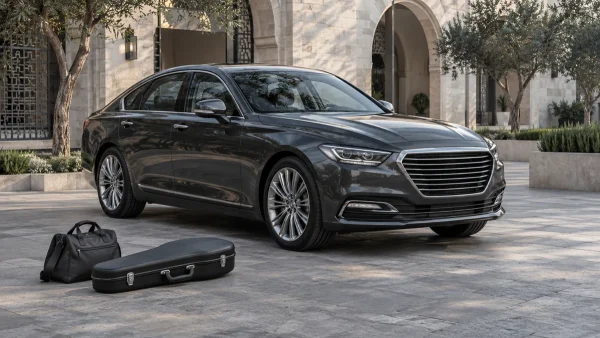
Car Rental with a Driver for an Embassy Appointment in Cairo, Egypt
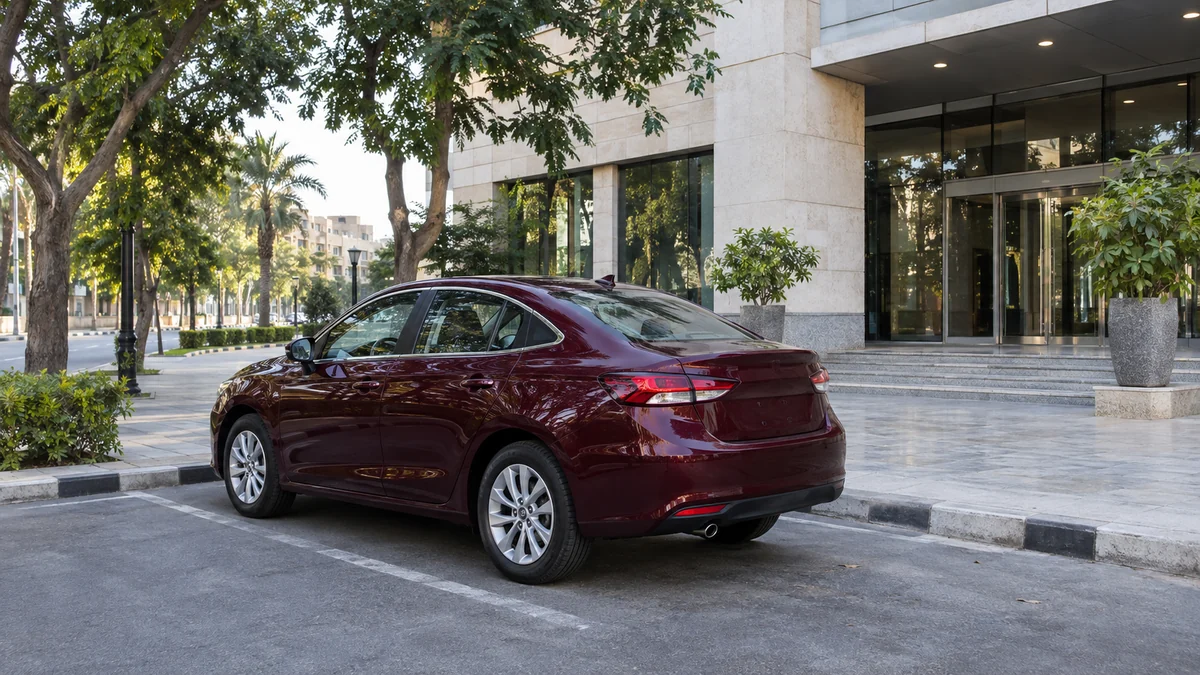
AI-generated illustrations; not photographs of a specific embassy or confirmation of a bookable vehicle
A car for an embassy appointment should be planned around the appointment itself: the correct building, its attendance instructions, a permitted place to get out, and a workable way to meet again. Choosing a vehicle matters, but choosing an attractive car before settling those details can leave the difficult part of the journey unresolved.
When arranging car rental with a driver in Egypt, describe this as an appointment journey with an uncertain finish, rather than simply sending the name of an embassy. Limousine Cairo takes booking enquiries by telephone or WhatsApp. The vehicle, booking duration, return arrangements and any additional requirements need confirmation for your particular request. This guide helps you prepare that request without assuming that the driver can enter the premises, wait at its gate or provide assistance with an application.
Car rental for an embassy appointment starts with the confirmation
Use the current appointment confirmation as your starting point. Read the organisation name, full address, appointment date, attendance instructions and any separate entrance details. A familiar embassy name is useful background, but it does not identify the exact pedestrian entrance or establish where a passenger car may stop. Share the transport details with customer service, then compare the agreed destination with your own confirmation before the journey.
There is no need to send a full application file to describe a car journey. An address, date, passenger count and a concise explanation of any transport requirement are more useful than pages containing personal information. If you share an address screenshot, remove information unrelated to the booking. Keep the authoritative appointment instructions with you rather than treating a driver’s route information as a substitute. Resolve a disagreement between a map result and the confirmed address before booking, rather than leaving the passenger to settle it on the road.
Embassy, consulate or application centre?
An appointment connected with a particular country may take place at an embassy, a consular office or an application centre elsewhere. Read the location shown on that specific appointment rather than choosing a map result for the country’s embassy. The organisation handling the appointment and the place where a document is collected may also differ, so explain which visit you are making.
If your day contains two separate visits, name both destinations and put them in order. A stop to deliver documents is still a stop that needs to be included in the transport request. Do not assume that a car booked for one address automatically covers another building, even when both visits concern the same application.
Use the stated date and attendance instructions
Check that the travel date and appointment date agree. Then distinguish the time you need to be ready for collection from the time you have been instructed to attend. Customer service can discuss the journey using your departure location and requirements, but road conditions and the destination’s procedures prevent a guaranteed arrival or finishing time.
Plan the drive with appropriate flexibility while following the destination’s rules about approaching its entrance. As one specific example, the official Cairo immigrant visa interview instructions, checked on 9 November 2026, prohibit phones, electronics and large bags and say not to arrive before the scheduled appointment. These instructions concern that interview process; check the current rules for your own appointment.
Rent a car with a driver and agree a permitted drop-off point
The appointment address and the stopping place are related, but they are not necessarily identical. Ask how the final approach will be handled and whether an accessible, permitted drop-off location can be agreed. A map pin placed directly on a building does not mean that a vehicle can stop there. Access instructions on the day take precedence over an assumed route or a convenient photograph of the entrance.
Describe the point in words as well as on a map: the public side of the approach, the direction from which you will walk, or another clear feature that does not depend on recognising the car. Avoid planning to stop in a restricted approach or block pedestrian access. Describe a public meeting point without photographing security entrances; only take location photographs where permitted. If the intended point cannot be used, the alternative should be safe and lawful rather than simply the closest available space.
Consider the walking route and pedestrian entrance
Think through the part of the journey after the door closes behind you. Can everyone manage the walk from the agreed point, including crossings and changes in level? Do you need to ask the destination about an accessible pedestrian entrance? Discuss relevant mobility requirements before choosing the vehicle and meeting arrangement, without assuming that a particular car provides specialist assistance.
A companion’s needs may change the plan even when the applicant is comfortable walking. Our guide to car access and comfort for older passengers explains what to discuss about getting in and out. For an appointment, combine those questions with the actual pedestrian route; a spacious car alone does not resolve a difficult final approach.
Choose a rental car for applicants and companions
Count everyone travelling in the vehicle, including anyone who will accompany the applicant only as far as the destination. Tell customer service about ordinary bags and any equipment that affects usable space. Whether a companion may enter the premises is a separate question for the destination. Their inability to enter does not create an automatic right to remain in the car while it waits.
Use the Limousine Cairo car catalogue to identify categories worth discussing, then request confirmation of the actual vehicle. Catalogue illustrations do not settle availability, equipment or the exact car allocated to a date. Choose for the whole journey, including access and return arrangements, rather than relying on a model name or a photograph alone.
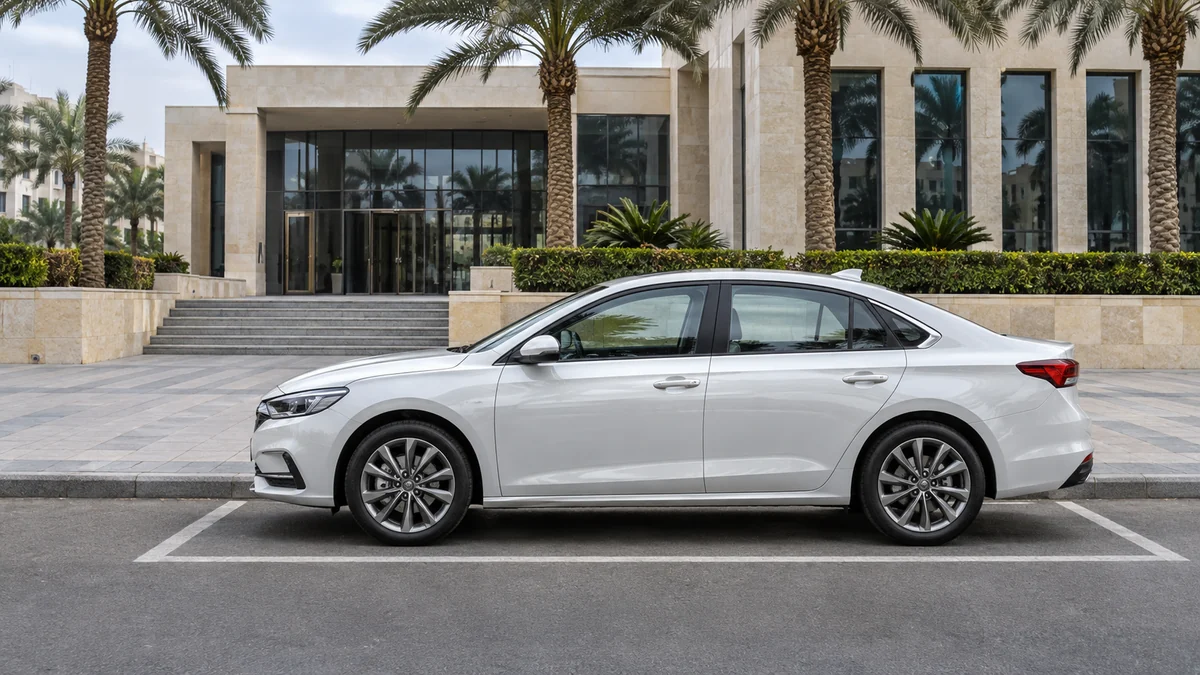
Sedan rental for an individual appointment
A sedan is a category to discuss for a small travelling party and modest belongings. Confirm the actual seating arrangement and luggage requirements rather than relying on a general category’s reputation. Consider whether passengers can get into the rear seat comfortably and whether a document folder can stay with its owner without obstructing an occupied seat or access to a seat belt.
If you will be travelling from a hotel, say whether luggage will remain at the hotel or travel with you. Combining checkout with an appointment changes the practical request. Do not make an unconfirmed vehicle-storage arrangement the only solution to a destination’s bag restrictions. A simpler journey may be possible if unrelated belongings can be dealt with independently before departure.
Rent a Mercedes with a driver: confirm the actual car
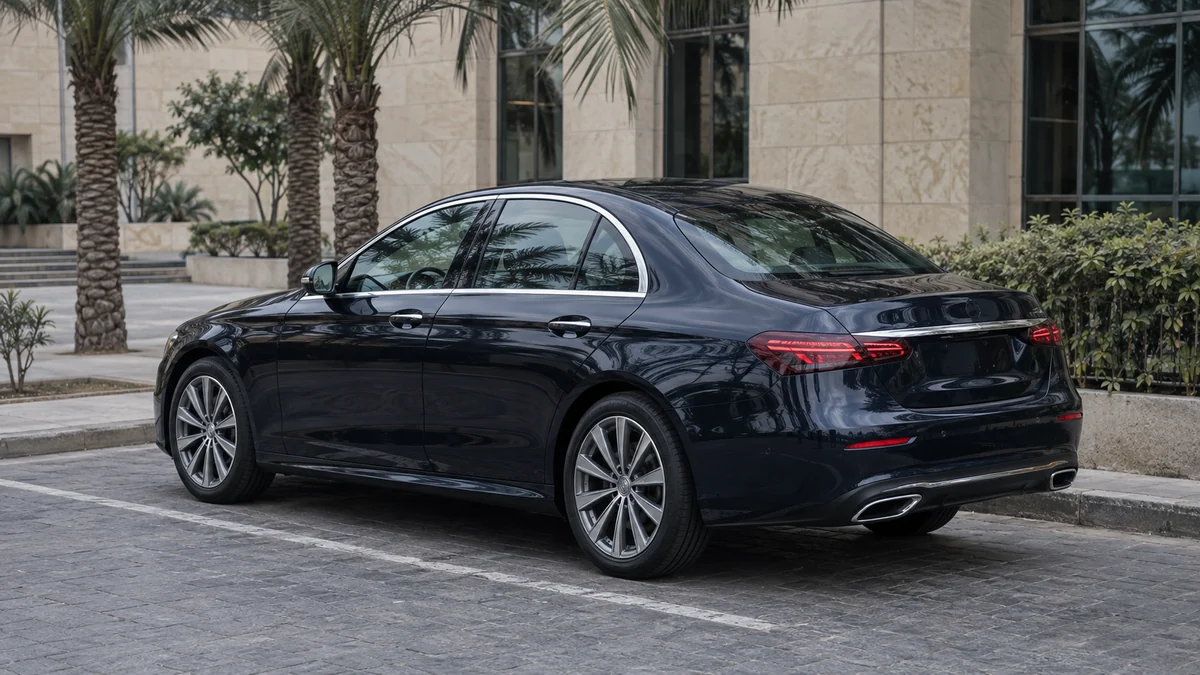
If you prefer to rent a Mercedes, discuss that preference alongside the passengers’ needs. Ask which car can be confirmed, how rear-seat access suits your party and whether the planned luggage fits. Do not infer a particular model year, seat layout or equipment package from the Mercedes name. The useful decision is whether the proposed car fits the appointment journey.
An executive sedan may suit a passenger’s preference for the journey’s presentation, but it does not change the destination’s admission rules. It also does not provide priority entry or a reserved stopping place. Keep the vehicle decision separate from those assumptions, and confirm the car rental with a driver service arrangements for your departure and return.
Consider a van when several applicants travel together
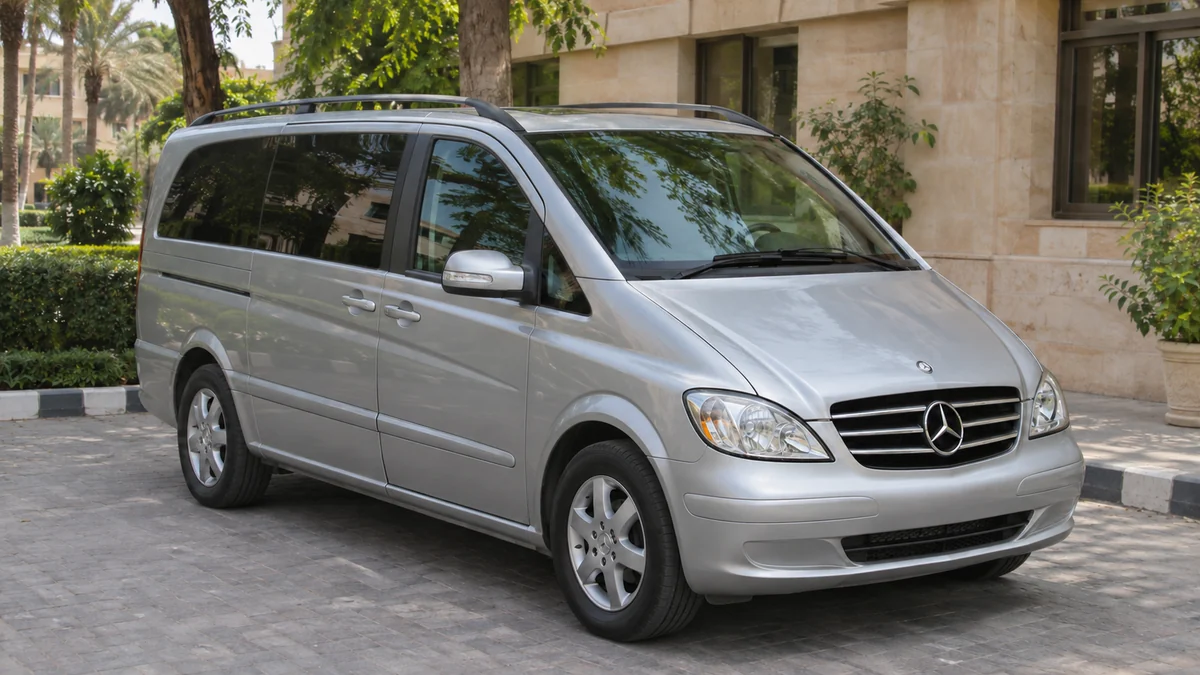
A van is a category to ask about when several people attend on the same day. Give the passenger count, their individual appointment details where relevant to transport, and the belongings carried. Confirm the actual seating and access arrangement. Neither the word van nor the vehicle’s external size establishes a usable passenger or luggage capacity for your booking.
Travelling together can simplify the outward journey, while the return may still require separate decisions. One applicant may finish before another, or an accompanying person may need to leave earlier. Ask how such a change would be handled before booking. A larger vehicle is useful only when its confirmed layout and agreed booking scope match the group’s plan.
Plan limousine rental around an uncertain return time
An appointment start does not establish a reliable collection time afterwards. The transport arrangement should therefore explain what happens when you finish, how collection is requested and whether the vehicle is retained for an agreed period. This is the point to resolve before departure, especially if you may be unable to make a call from inside.
There is more than one workable booking structure, but none should be assumed included. The guide to a transfer or a time-based booking explains the broader distinction. For an embassy appointment, apply it specifically to an uncertain exit: who makes contact, where you wait as a passenger and what needs fresh confirmation if the original arrangement changes.
Agreed waiting period or a separate return journey?
| Arrangement | What to discuss | What not to assume |
|---|---|---|
| Outward transfer only | The permitted drop-off and where the booked journey ends | That a return is automatically booked |
| Outward journey with an agreed period | When the period begins and ends, and permitted waiting arrangements | Unlimited waiting or a car remaining at the gate |
| Separate return journey | How collection is requested and the agreed time or coordination process | Immediate availability when you finish |
Explain which arrangement you are requesting rather than asking only whether the driver will wait. If a duration is proposed, make sure you understand when it begins and ends and what happens if you exceed it. Any extension, extra stop or revised collection requires agreement; it should not be presented as an automatic part of the initial request.
Do not assume the car can wait beside the gate
Waiting for a passenger and parking at an entrance are different matters. A driver may need to use another permitted location, and the passenger may need a short, clearly described route to meet the car. Never use “outside the embassy” as the only instruction if there are several approaches or stopping restrictions.
Before getting out, make sure the agreed return process remains understandable if the car is no longer visible. Do not ask the driver to circulate indefinitely or remain in a prohibited place. If access changes, use the backup plan and communicate through the agreed contact route when possible.
Make a contact plan if you cannot take a phone inside
Check the destination’s current rules before relying on your phone throughout the visit. A muted phone, a switched-off phone and a phone that cannot enter are different situations. Do not assume that the destination offers storage or that the transport booking includes custody of a phone or other valuables.
Think about who can communicate outside the appointment. An adult companion may be able to help if they are already part of your plan and agree to the role. Confirm the practical arrangement with customer service rather than leaving the driver to infer it. Choose one agreed coordinator and make sure the passenger understands the drop-off and return instructions too. Share only the contact details needed for collection, and do not rely on another applicant or an unknown person to relay messages.
Write down a backup meeting point and clear instructions
Keep a short written note containing the agreed contact number, meeting point description and backup instructions. A recognisable public meeting place can be more useful than a car colour, particularly if the vehicle must move. The plan should say what the passenger does if they finish sooner or later than expected and cannot immediately reach the named contact.
Review the note before departure while both parties can still clarify it. Avoid a chain of vague instructions such as “wait somewhere nearby” or “the driver will find us.” If there is no workable way to reconnect without a phone, resolve that gap before treating the return as arranged. This is a transport coordination problem, not a reason to disregard the destination’s rules.
Keep appointment documents and personal belongings separate
The applicant should check the official document instructions and keep essential papers under their own control. A transport booking does not include checking an application, interpreting a document requirement or delivering papers inside the premises. Do not send passport scans or application documents merely to explain the route.
Take only belongings compatible with the destination’s rules and your independent arrangements. If a bag cannot enter, decide how to deal with it before travelling. Do not assume that a parked car is secure storage or that the driver has accepted responsibility for unattended belongings. Ask about any relevant transport conditions directly and keep the appointment’s document requirements separate.
A hypothetical embassy appointment day in Cairo
Consider an applicant staying in New Cairo who has an appointment elsewhere in Cairo and travels with an adult family member. This is a planning example, not a customer account. The applicant checks the current address, branch and attendance instructions, then requests a car suitable for two passengers with limited belongings. The appointment’s finishing time is unknown.
Before booking, they agree the journey scope and return process with customer service. They identify a permitted drop-off point and review the destination’s phone rules. If the companion will remain outside the premises, they check that there is a suitable permitted place for that person to wait and agree their communication role, rather than assuming admission or gate-side waiting.
They write down the meeting point and a backup description so the plan does not depend on seeing the car. The applicant retains the required documents, while the companion knows how to contact customer service about the return. Any change is discussed through that agreed route, rather than interpreted as an automatic extension or an immediate collection request.
If the appointment changes or exit is delayed
Tell customer service as soon as you learn that the date, address or attendance requirement has changed. Explain which parts of the transport request are affected. A revised official appointment does not automatically revise the car booking, and the original vehicle or return structure may need fresh confirmation.
If you finish after an agreed waiting period, follow the communication process established before entering. Ask what arrangement can now be confirmed. Transport cannot determine the appointment’s outcome or the time its procedures finish. Do not assume an open-ended extension, the same car or immediate collection. Avoid placing another inflexible commitment immediately after the appointment based on somebody else’s experience. The practical value of advance planning is that you know whom to contact and what needs to be agreed when the original estimate no longer fits.
Prepare a clear request to rent a car in Egypt
Send one concise booking brief: travel date, collection address, appointment destination, attendance instructions relevant to transport, passenger count, belongings, access needs and your preferred vehicle category. Add whether you want an outward transfer, agreed waiting or a separate return. Explain any gap in telephone access and the proposed contact person.
You can enquire through Limousine Cairo on WhatsApp or call 01118974446, 01118974448 or 01118964445. The website is a car catalogue; the booking details are confirmed through customer service. A sent message or a telephone click is not confirmation that a vehicle has been booked.
What needs confirmation before you book?
Confirm the actual vehicle, collection details, agreed journey scope, return process and how changes are handled. Ask about applicable waiting, parking, additional-stop and extension arrangements without assuming that any are included. Clarify fuel, road charges and cancellation or amendment conditions rather than treating them as standard inclusions. Keep the confirmed transport summary accessible independently of the appointment paperwork.
Read the summary for contradictions: the right day but the wrong building, a return request without a contact route, or a group count that omits the companion. Correct those details before the journey. Clear information helps customer service assess your request; it does not guarantee road conditions, entry procedures or how long the appointment will take.
Conclusion
For an embassy appointment in Cairo, start with the official confirmation and plan the outward journey, permitted drop-off, contact method and return as connected decisions. Choose a sedan, Mercedes or van according to the actual passengers and confirmed vehicle. Keep admission rules, documents and personal belongings separate from the transport service, and obtain clear confirmation of the arrangements you need.
Frequently asked questions
Can the rental car enter the embassy premises?
Do not assume so. Follow the destination’s current access instructions and agree a permitted drop-off point. Booking a car does not provide permission to enter a controlled site.
Will the driver wait until my interview finishes?
Only use the waiting arrangement actually confirmed for your booking. Ask about its duration, location and any extension process. An appointment with an uncertain finish does not establish unlimited waiting.
What should I do if phones cannot be taken inside?
Check the destination’s rules and resolve a contact method before departure. Keep written meeting details and a backup plan. Do not assume storage is provided by the destination or included in the car booking.
Do I need to send visa documents to book the car?
A transport request normally needs journey information rather than an application file. Share the destination, date, passenger count and relevant access needs, and keep sensitive documents out of unnecessary booking messages.
How do I choose between a sedan, Mercedes and van?
Describe the passengers, belongings and access needs, then compare the actual vehicle proposed. Confirm its suitability and availability for the date instead of assuming a category name establishes capacity or equipment.