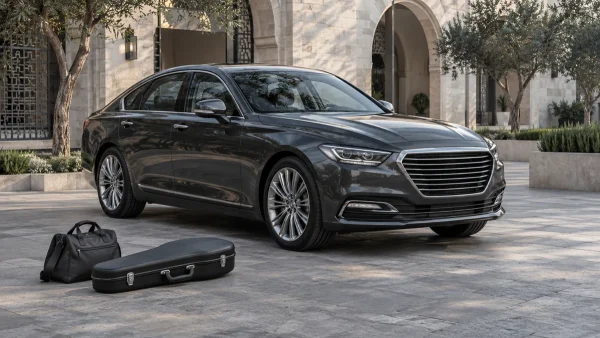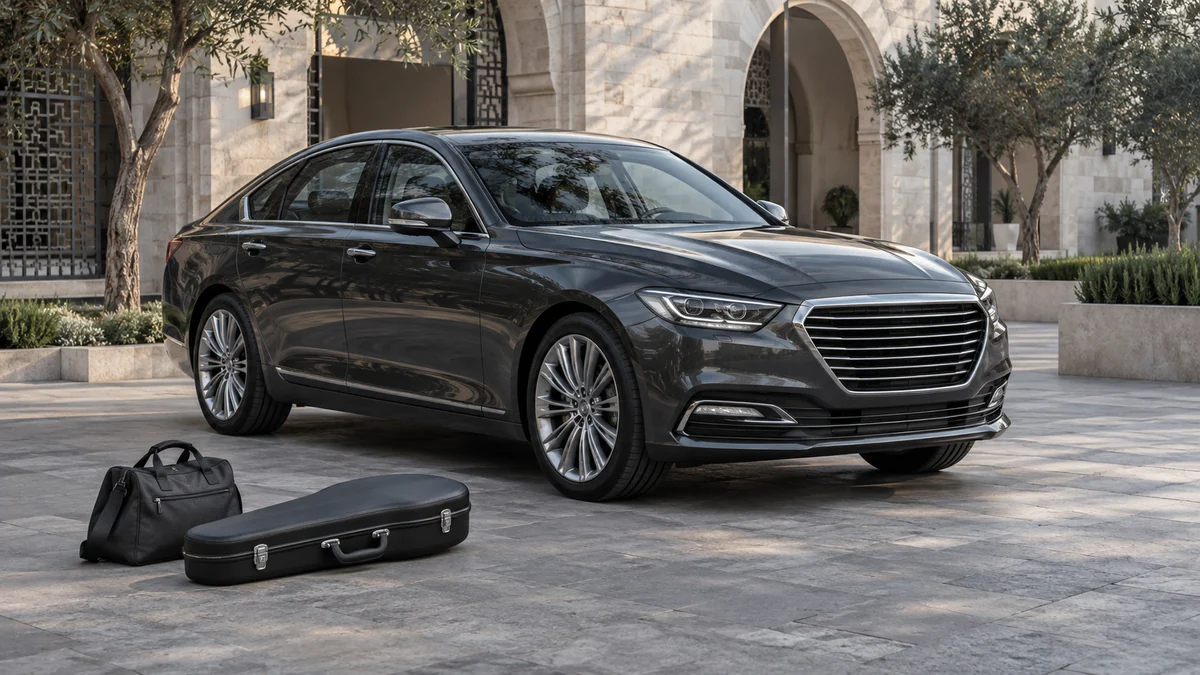
Car Rental with a Driver and a Musical Instrument in Egypt: Check the Case and Vehicle
If you are arranging car rental in Egypt with a violin in a rigid case, start by describing the case and everyone travelling with it. The vehicle name alone cannot establish whether the case will pass through the loading opening, fit alongside your other bags and leave the agreed passenger seating available.
This guide is for a passenger who accompanies a closed instrument case. It explains what to send before booking, how to discuss the cars listed by Limousine Cairo and which details need an answer about the actual proposed vehicle. Instrument acceptance, the loading arrangement and the available car must be confirmed for your particular request.
Car Rental with a Musical Instrument: Start with the Case
A violin case is more specific information than “one item of luggage”. Its rigid outline, handles and external shape affect the space it needs. A photograph of the instrument itself tells the booking contact less about loading than a photograph of the closed case you will actually bring.
Begin with the journey and case together. For example, say that you need a car with a driver for a passenger travelling with a closed rigid violin case and a travel bag. You can use the car rental with a driver service page to understand the general service, then ask whether this specific request can be accepted.
A Passenger with a Case, Rather Than an Unaccompanied Shipment
Explain who will travel with the case and who will receive it at the destination. An accompanied passenger journey does not establish that a company provides instrument delivery, specialist removals or transport for an instrument travelling alone. Those are separate requests requiring their own suitable arrangements.
Keep the enquiry clear if another person makes the booking: the passenger will be present, the case will be closed, and any handling assistance needs discussion. Do not describe an ordinary car booking as a specialist instrument service unless that service has actually been confirmed.
What to Send About a Violin Case Before Renting a Car
Send a short description of the closed case, its actual external measurements and a clear exterior photograph. Include whether its outline is shaped or rectangular and whether handles or an attached exterior pocket extend beyond the main body. Use the case that will travel, rather than an online image of a similar product.
A useful photograph shows the whole case and its outline without opening it. You do not need to share ownership documents, an instrument valuation or personal papers to describe its shape. If the case has particular handling requirements, identify those requirements as information for discussion; the booking contact still needs to confirm what can be accommodated.
If an exterior pocket will be filled for the journey, show the case in that travelling condition. A photograph taken before accessories were attached may leave out the very detail affecting the space needed. Send a brief correction if the description changes, so the enquiry does not contain two different versions of the case.
External Dimensions and Protrusions Matter More Than the Instrument Name
Measure the outside of the closed case, rather than quoting the instrument’s size. State the measurement units and include relevant protrusions in your description. “A violin case” can otherwise leave the person assessing the request to imagine a different shape from yours.
If you will attach anything to the exterior, describe that too. A separate accessory bag should appear in the luggage list. This creates one consistent description that can be checked against each proposed car, instead of changing the information halfway through the discussion.
The Loading Opening and Entry Path Are Different from Storage Space
A storage area may look roomy while its opening or entry path limits a rigid item. The case needs to pass through the opening and reach the agreed position. A general luggage-capacity statement does not answer those separate questions.
Ask the booking contact to consider both access and the space remaining with your other bags. Do not treat a boot-volume figure, a photograph of an empty vehicle or an earlier journey in a similar model as a fit test for this case. The relevant answer concerns the actual car and arrangement proposed for this journey.
Plan Passenger Seating and Other Bags Alongside the Case
List every passenger and every other bag before discussing vehicle options. Include the travel bag that may seem too ordinary to mention: it still shares the available luggage space. If someone will join later, include that person from the start rather than assessing only the first part of the journey.
An empty passenger seat is not automatically an agreed luggage position. Keep the discussion about the complete seating and loading arrangement, without planning to hold the case on your lap or improvise a position on arrival. The passenger and luggage planning guide explains the wider inventory; this additional review addresses the rigid case’s particular shape and access needs.
How to Compare the Cars Proposed for Your Actual Request
Use the same passenger count, case description and bag list for every option. Then ask what has been checked about that specific car. This gives you a meaningful comparison, rather than a choice based only on a badge or the size of the vehicle in a catalogue photograph.
The Limousine Cairo car catalogue lists names you can discuss, including the options below. A listing is a starting point for an enquiry. It does not establish current availability, a particular configuration or suitability for an instrument case.
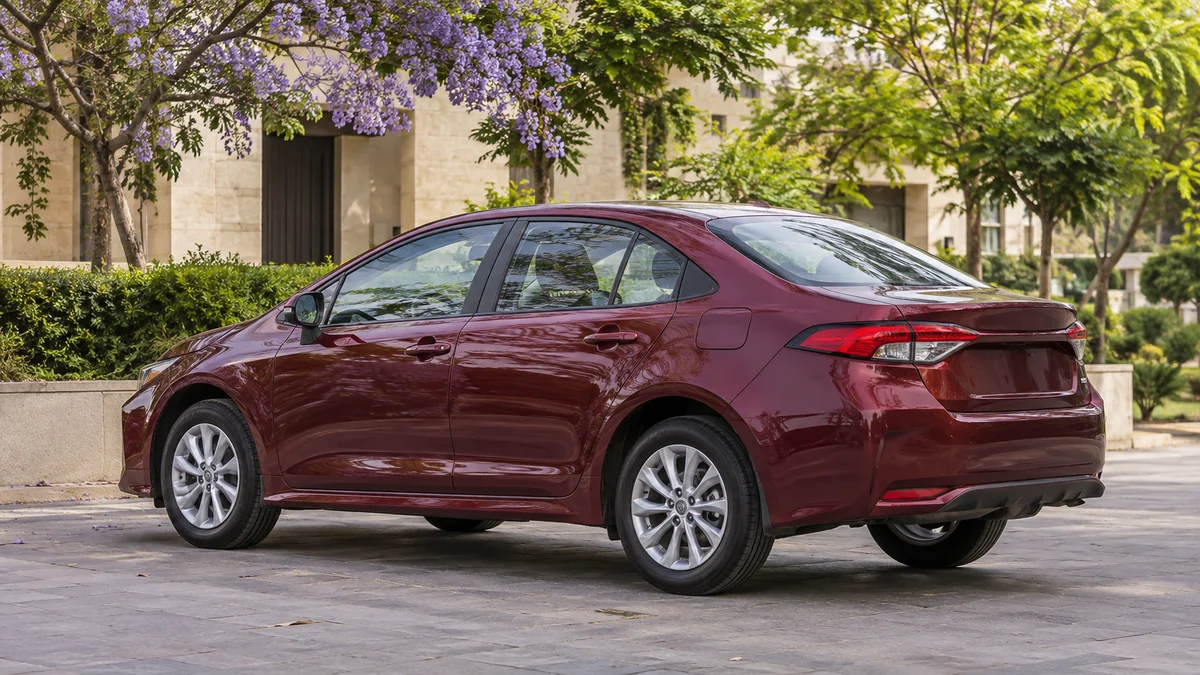
Toyota Corolla Rental: Check Case Access Before Choosing a Sedan
When asking about Toyota Corolla rental, put the closed case and travel bag in the initial enquiry. Ask about access to the proposed luggage area and the space left once both items are considered. Do not assume a seat can be folded or a different loading position will be accepted.
A sedan enquiry can be assessed without dismissing it or declaring it suitable in advance. The useful outcome is an answer about your actual case and the particular Corolla proposed. If that answer remains uncertain, compare another vehicle using the same information.
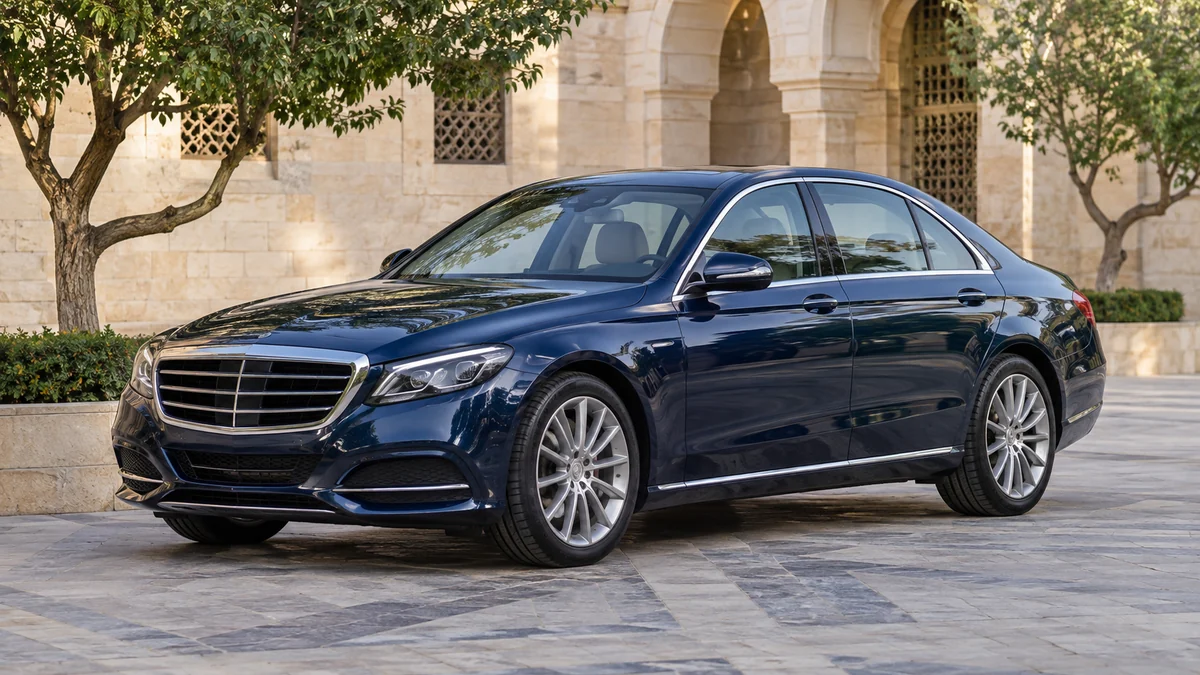
Rent a Mercedes with a Driver: Match the Car to the Case
If you want to rent a Mercedes, explain the passenger experience you are seeking and the case requirement separately. A preference for a particular car does not resolve its loading suitability. The C180 and E200 names appear in the catalogue, but their names alone are not evidence of identical openings or usable space.
Ask which actual Mercedes is proposed and whether the complete luggage description has been considered. A premium brand also does not establish specialist handling or protection terms. Keep the decision tied to the accepted journey, the specified car and the agreed arrangement for the case.
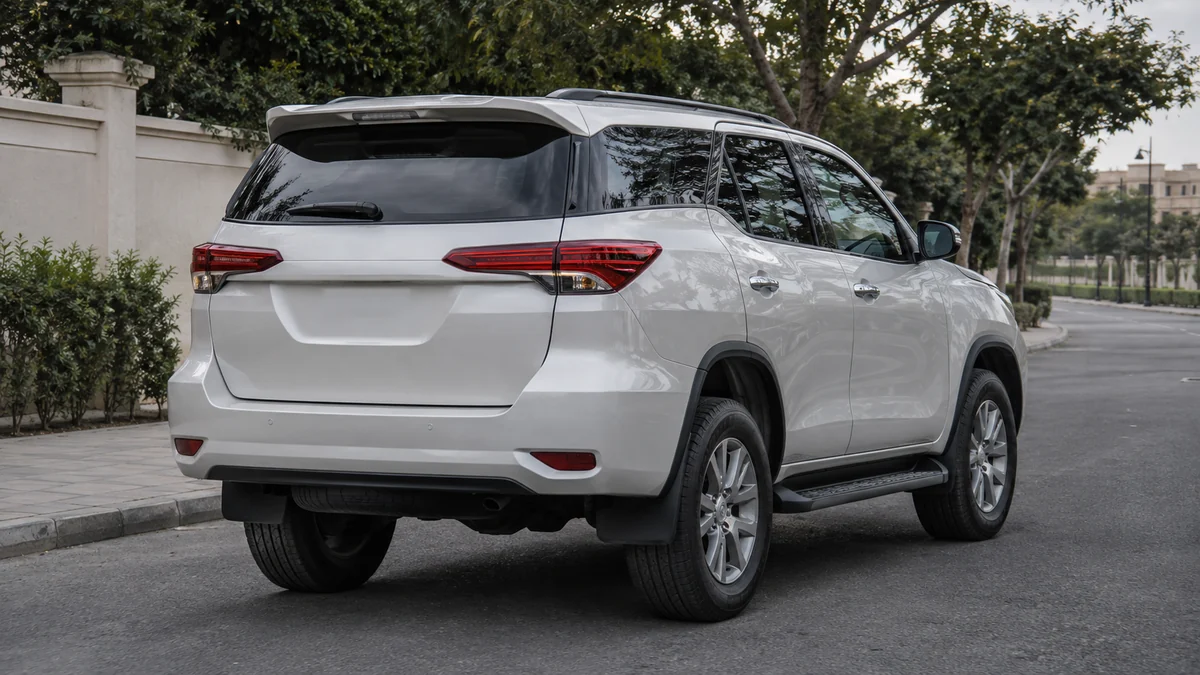
Toyota Fortuner Rental: Check the Seat Layout and Remaining Space
For Toyota Fortuner rental, ask about the actual seating arrangement with everyone travelling. An SUV’s exterior height does not tell you how much usable luggage space remains in that arrangement or whether your case has an appropriate loading path.
Describe the full request before considering it an alternative to a sedan. Check the case alongside the other bags, rather than assuming that a larger-looking vehicle settles the question. Any change to the proposed passenger or seating arrangement needs to be discussed expressly; do not build a plan around unconfirmed seat movement.
Van Rental: When to Ask About a Mercedes Viano or Hyundai H1
Van rental may be worth discussing when more passengers, more bags or several closed cases are involved. The catalogue names Mercedes Viano and Hyundai H1 as enquiry options. Ask which vehicle and layout are proposed for your complete request.
A van is not an automatic answer for every rigid case. Passenger seats, the loading opening and the remaining luggage area still matter. Do not assume removable seats or treat a Viano and another Mercedes vehicle name as interchangeable. Request clarification if the proposed name changes, rather than transferring an earlier answer to a different vehicle.

A Decision Table: Which Question Helps You Choose the Car?
Use this table to identify the missing information before choosing a model. It does not assign any case to a particular car.
| Request | Information to send | Question about the actual car | What not to assume |
|---|---|---|---|
| One passenger and one closed case | External case shape, measurements and all other luggage | Has access and the proposed position been considered? | That the sedan name establishes fit |
| A case with other passengers and bags | The complete passenger and luggage list | What arrangement remains with everyone travelling? | That an empty seat is an agreed luggage position |
| A long or unusually shaped rigid case | A closed-case photograph, actual external measurements and protrusions | Have the opening, entry path and usable space all been considered? | That a rigid case can be compressed to fit |
| Several instrument cases | Each case described separately | Has the whole load been assessed together? | That a van automatically accepts every case |
Plan the Handoff from the Pickup Point to the Car
Identify the actual pickup entrance and where the car can meet you. A building address may contain several entrances, steps or a walk from the stopping point. Explain anything that affects moving the case between the entrance and the vehicle.
Likewise, distinguish the destination entrance from a nearby landmark. If you need time to bring the case from inside, include that in the request. Discuss any waiting involved without assuming it is included or promising a precise arrival time. The aim is a practical handoff, with both sides understanding where the passenger and case will be ready.
If the preferred entrance cannot be used, agree an alternative meeting point that you can reach with the case. This is especially useful when the person booking knows the building but the passenger does not. Give the passenger the same entrance description, rather than relying on different landmark names in separate messages.
Who Will Carry and Load the Instrument Case?
Agree who will carry the case and who will load and unload it. Do not infer that the driver has instrument-handling training or that carrying assistance forms part of every journey. If assistance is needed, ask about it before booking and explain the task.
The instrument owner should supply any relevant instructions from the case or instrument maker. If those requirements cannot be met by the proposed arrangement, seek an appropriate alternative. This guide does not prescribe a lifting method, a securing technique or an instrument-care procedure.
Define the Journey, Waiting and Return Before Car Rental
State the pickup, destination and whether you need only that journey or also a return. A trip to a lesson or rehearsal may involve a separate return request, while a personal visit could end elsewhere. Give the actual itinerary instead of leaving the return implied.
If you need the car to wait, discuss the period and the agreed scope. The guide to defining a transfer or a duration booking covers that decision in more detail. For this request, also state whether the passenger and case will leave the vehicle together at each stop.
Will the Case Stay with You During a Stop?
Decide what you need to happen to the case when you reach the destination. Do not assume that waiting for a passenger also means providing storage, supervision or unattended holding of the instrument.
If your plan depends on leaving the case in the car, raise that specific requirement and obtain an explicit answer before relying on it. A passenger journey confirmation should not be interpreted as an agreement to a separate storage arrangement.
Hypothetical Example: One Passenger, a Violin Case and a Travel Bag
Consider a hypothetical passenger travelling within Cairo to a rehearsal with a closed rigid violin case and a travel bag. This example illustrates a decision process, rather than a booking that actually happened. The passenger sends the real external case measurements, an exterior photograph and the travel bag description together, then asks about a Toyota Corolla if one is proposed for the date.
Before choosing, the passenger asks about case acceptance, the loading path and its proposed position alongside the other bag. The passenger explains that they will carry the violin case to the meeting point. If the arrangement remains uncertain, they ask about an alternative car assessed against the same details.
The passenger also specifies that the request is for the transfer only and that the case will leave the car with them at the destination. No measurements, successful fit or completed booking are assumed. The example shows which questions to resolve before deciding; it does not establish that a Corolla or any alternative accepts the case.
Review the Request Again If the Vehicle or Bags Change
If the proposed car changes, ask for the case requirement to be reviewed again. An answer about one vehicle does not automatically apply to another model or layout. Check that the final discussion still refers to the car intended for your journey.
The same applies when another passenger or bag is added. Send the revised full list rather than only saying “one extra item”. The guide to confirming the car model and equipment provides the broader checklist; here, the key issue is whether the change affects the case’s access and agreed space.
When reviewing a revised option, separate what stayed the same from what changed: the case description may be unchanged while the car or other luggage differs. Keep the latest complete version of the request together, making it easier for everyone to refer to the same arrangement.
What If Case Acceptance or Fit Cannot Be Confirmed?
Ask whether another vehicle can be considered using the same case information. An unresolved answer is a reason to continue planning before the journey, rather than arrive expecting the case to fit somehow.
If a suitable passenger-car arrangement cannot be established, consider a separate appropriate arrangement for your needs. Do not assume Limousine Cairo provides specialist instrument freight or removals. Avoid a plan dependent on forcing a rigid case into a space or improvising an unagreed position once the car arrives.
A Message Template for a Car Rental Enquiry with an Instrument Case
You can adapt the following message with your actual details:
I would like to enquire about a car with a driver on [date], from [pickup entrance] to [destination]. There will be [passengers], a closed rigid violin case and [other bags]. The case’s external measurements are [actual measurements and units], and I can send an exterior photograph. Please confirm whether this request can be accepted, which car is proposed and what loading arrangement can be agreed. I also need to discuss [handling assistance, waiting or return, if relevant].
Send the enquiry through Limousine Cairo on WhatsApp or call 01118974446. An initial message starts the discussion; it does not by itself confirm the car, case acceptance or booking details.
Conclusion: Choose the Car After Reviewing the Actual Case
Start with the closed case, the complete passenger and bag list, and the journey you need. Compare the proposed cars against that information, clarify the handling roles and review any later changes. When you rent a car in Egypt with an instrument case, a clear answer about the actual request is more useful than a model name on its own.
FAQs About Car Rental with a Musical Instrument
Does a Car Rental Automatically Accept Any Instrument in Its Case?
No. Describe the particular closed case and journey before booking. The booking contact needs to confirm whether the request can be accepted and what arrangement is proposed.
Does Renting a Mercedes Mean a Violin Case Will Fit?
The brand alone cannot establish fit. The actual car’s opening, entry path, usable space and other luggage need to be considered against your case description.
Can an Empty Passenger Seat Be Counted as Space for the Instrument Case?
Do not count it as an agreed luggage position. Discuss the complete passenger and loading arrangement before booking, without relying on an improvised seat or lap position.
Is the Driver Responsible for Carrying the Instrument Case?
Handling roles need an explicit agreement. If you require carrying or loading assistance, describe it in advance rather than assuming specialist handling or automatic inclusion.
Does Acceptance in the Car Mean the Case Is Accepted on a Flight?
No. Airline requirements are separate from the car journey. If a flight forms part of your trip, check the particular case and instrument directly with the airline.