Car Rental in Egypt for Tall Passengers: Check the Seat Before Choosing
When a tall passenger is choosing a rental car, the important question is not simply whether the vehicle looks large. It is whether the particular seat provides usable space for that person’s head, knees and feet at the same time. A photograph of an empty rear compartment cannot settle that question, especially when the front seat has been moved forward for the picture.
For car rental in Egypt, describe the seat you expect to use before choosing a category. A Mercedes sedan, an SUV and a van are options to investigate, rather than a fixed ranking from least to most suitable. This guide explains the details worth comparing with the booking team, without assuming dimensions, equipment or availability for any vehicle.
Rent a car for a tall passenger: start with the intended seat
First establish whether you intend to travel in a rear side seat, the centre position or the front passenger seat. A car does not offer the same relationship between the roof, floor and seatback at every position. Asking whether a model is spacious leaves those differences unresolved. Saying that you need to sit behind an occupied front seat gives the team a clearer starting point.
Explain whether a companion needs the neighbouring place and whether you want to remain in the same position throughout the journey. If you are considering a car rental with a driver, discuss passenger suitability alongside the requested service. Do not assume that an unused-looking front seat will automatically be available or that moving seats will resolve every restriction.
Height alone does not describe the space you need
Two people of similar standing height can experience the same seat differently. One may notice the roof lining first, while another finds that the front seatback leaves too little room for the knees. There is no useful universal height threshold that assigns every passenger to a sedan, SUV or van.
Describe a practical difficulty instead of requesting an unsupported promise. For example, explain that you have previously found rear knee space restrictive, or that you need to check clearance above your head in an upright position. You need not provide identity documents, medical information or a photograph of yourself to open that conversation.
How to compare space in the actual car
Consider head, knee and foot space together. A position may appear generous above the head while leaving the feet with little usable floor area. Moving the body to gain knee room might change its relationship with the roof or seatback. Assessing only one dimension can therefore give an incomplete impression, even when the photograph itself is clear.
Keep the comparison tied to the proposed vehicle and intended seat. If a suitability check can be arranged, ask how and when it could take place before relying on it. This is a request for coordination, not a statement that an inspection appointment or a particular adjustment is included. For the whole group, use the separate passenger and luggage space guide; the individual seating assessment remains a different question.
Keep information from different photographs separate. One image may show the roof clearly without revealing the front-seat position, while another shows the rows but not the floor. Combining them in your mind does not establish one fully described vehicle. Keep each option beside its own notes and ask the missing question about that same car. When new information arrives, check whether it concerns the intended seat and row or describes the cabin generally.
Head clearance in a normal seated position
Look at the roof above the place where your head will actually be, rather than judging the car by its exterior height. The shape of the roof lining and the location of the seat both matter. A cabin photographed from a low angle can look taller than it feels when someone is sitting normally.
Check the position without depending on sustained bending or sliding down the seat. Follow the instructions for the actual vehicle, including the appropriate seating position. If a proposed car has a different roof configuration or interior trim from a brochure example, reassess that car rather than transferring your conclusion from the illustration. Do not assume that a particular roof feature is present.
Knee room after the front seat is positioned
A rear-seat image is more informative when it shows where the front seat will be during use. A front seat pushed forward for access or photography can create an impression that does not represent the journey. Ask about the position with the relevant front occupant seated appropriately, rather than treating the largest visible gap as the normal arrangement.
Do not plan to obtain space by asking the driver to adopt an unsuitable driving position. If the front seat’s required position makes the rear place restrictive, that is useful information when comparing another seat or vehicle. It is better to identify that mismatch before agreement than to build the booking around an adjustment that cannot reasonably be maintained.
Foot space and the centre tunnel
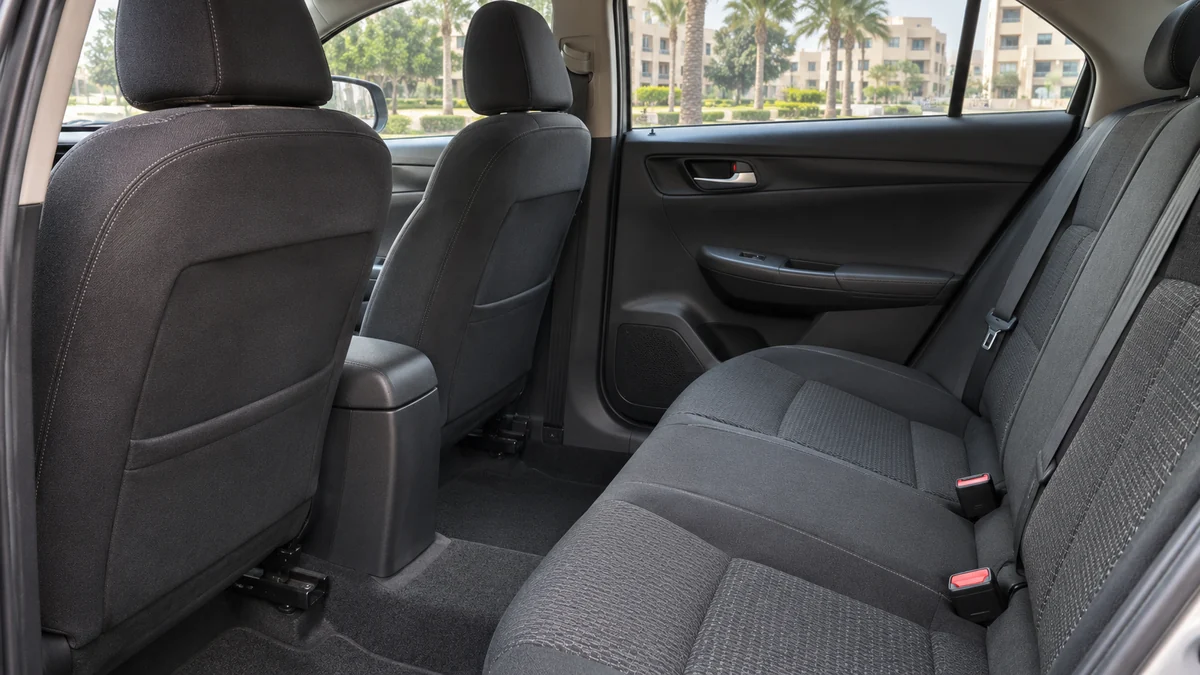
Look below the front seat as well as at the gap in front of the knees. The floor area, seat supports and any raised centre section can affect where the feet can rest. A wide-looking bench does not show that each passenger has an equivalent place for their feet. Nor does a photograph taken along an empty aisle demonstrate the space at a particular seat.
Ask for the intended position to be shown clearly, with ordinary items removed from the relevant floor area. Consider where the companion’s feet will be too. Do not make the arrangement depend on placing feet on a seat, dashboard or another unsuitable surface. If the usable floor space is unclear, retain that uncertainty in the comparison.
Backrest, head restraint and seat belt
Evaluate space with the seat and its restraint system being used as instructed for that vehicle. A reclined backrest can make an empty cabin appear more generous, but it does not by itself establish a suitable travelling position. Likewise, the visible presence of a head restraint does not tell you whether the whole seat suits the proposed passenger.
Ask about the actual adjustments available instead of assuming electric controls, rear-seat movement or an adjustable footrest. Do not treat removal of a head restraint, alteration of a belt or an excessively reclined position as a solution to insufficient space. This is a vehicle-selection check, not a medical assessment or a promise that a seat will prevent discomfort.
Rent a Mercedes with a driver: assess the seat before the badge
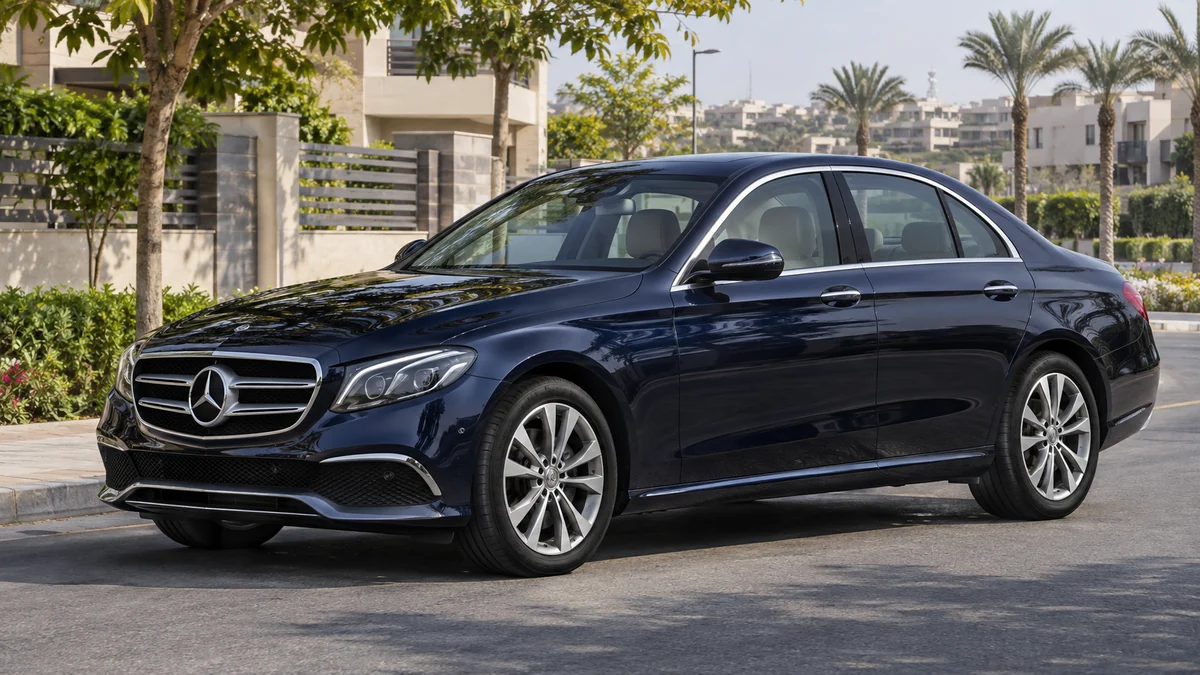
If you would like to rent a Mercedes with a driver, start with a vehicle option shown in the catalogue and ask which actual car can be considered for your date. The Mercedes E200 catalogue entry is a useful starting point for an enquiry. Its presence does not establish a specific car’s availability or prove that its rear seat will suit you.
Discuss the intended place, the position of the front seat and the roof and floor areas together. An attractive exterior and premium cabin finish answer different questions from personal fit. A useful comparison explains what has been checked and what still needs confirmation; it does not rely on the brand name as a guarantee of room.
Mercedes sedan rental: a model name does not establish seat fit
When asking about the Mercedes C180 or E200 shown in the catalogue, confirm the proposed vehicle and the configuration relevant to your seat. A model name helps frame the enquiry but cannot establish personal fit. Information for a different generation, market or trim does not establish the space in the actual car being discussed in Egypt.
Similarly, a wheelbase figure is not a personal fit test. It does not describe your seated proportions, the occupied front-seat position or the usable foot area at your chosen place. Avoid declaring one model universally suitable and another unsuitable. Compare the actual alternatives on the details that affect your own position, without importing dimensions or equipment from an unrelated listing.
Does SUV rental suit every tall passenger?
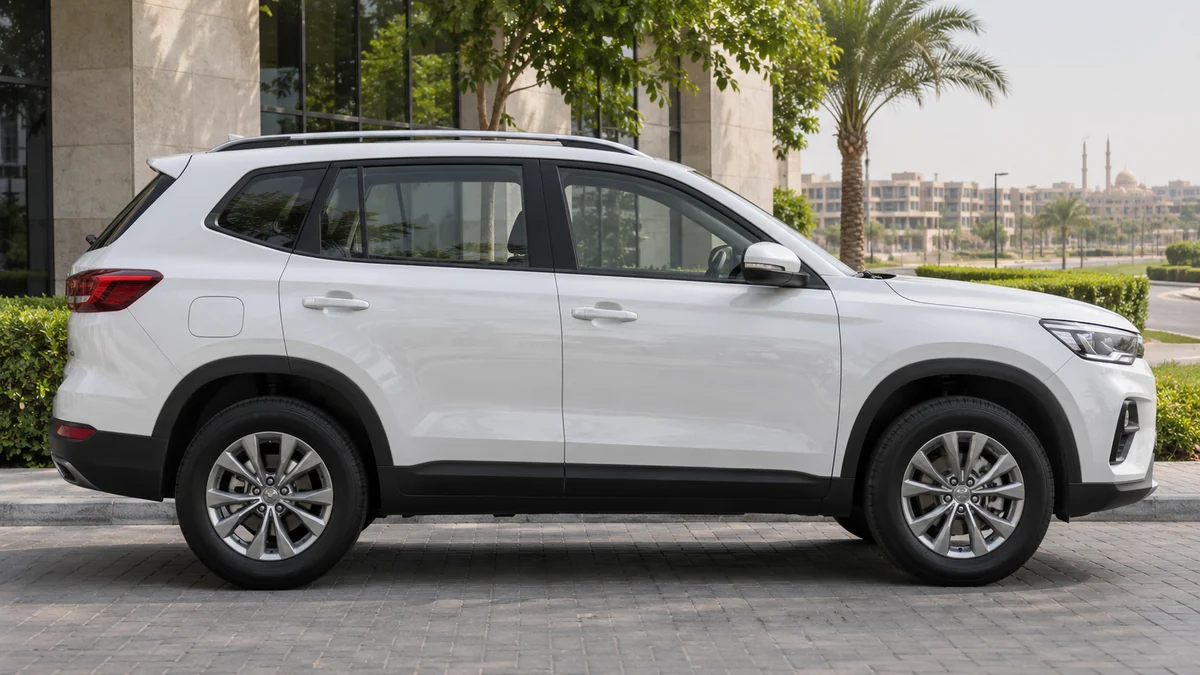
An SUV’s height can make it worth considering, but exterior height does not prove clearance above the seated passenger’s head. The relationship between the floor, seat cushion and roof matters. The same applies to the view through a large doorway: it shows access space, not every aspect of the position after the passenger has sat down.
Ask the same questions you would ask about a sedan. Which place will you use, what is ahead of it, and where can the feet rest? If the SUV being offered differs from the one pictured in a general category image, review its own arrangement. Choose an SUV because the proposed car answers your requirements, rather than because the category name appears larger.
Getting in and sitting with the door closed are separate checks
There are two stages to evaluate: moving through the opening and occupying the seat during travel. A passenger may find one straightforward while still needing to examine the other. Consider the shape of the doorway and the location of the seat, then assess the seated space with the door closed and the normal travelling arrangement in place.
Keep any check stationary and follow the vehicle’s instructions. Do not infer fit from a photograph of someone standing beside the car or leaning into its cabin. If you can only obtain photographs, distinguish what those photographs show from what remains untested. This keeps a possible option from being presented as a confirmed personal fit.
Mercedes Viano rental: review the seat and row layout
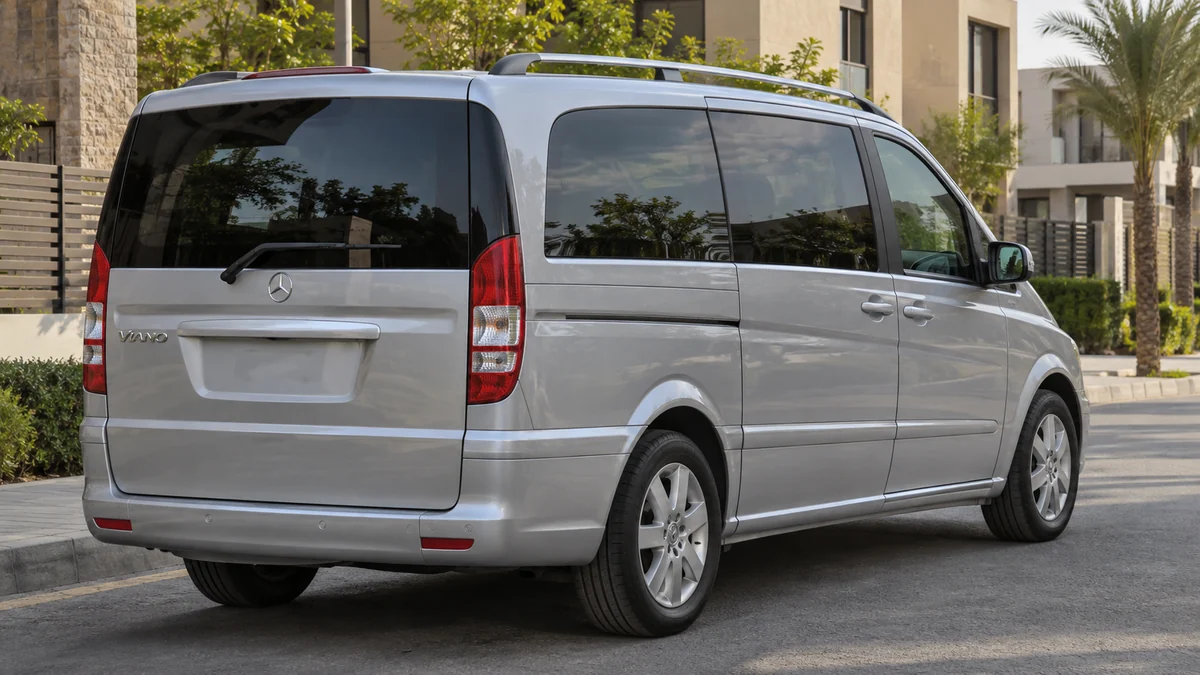
A van can be worth discussing when a particular sedan or SUV arrangement does not meet the request. The Mercedes Viano catalogue entry provides a relevant option to ask about. Confirm the actual vehicle and its seating configuration instead of assuming a seat count, row spacing or adjustment mechanism from the model name.
Identify the specific place being considered for the tall passenger. Ask what is directly in front of it, how the feet can be positioned and what the roof looks like above it. A van’s overall body shape does not answer those questions by itself. Any change to its seating arrangement also needs confirmation; this guide does not assume seats can be moved or removed.
A photograph of the row does not verify every seating position
A picture taken down the middle of a van can emphasise an open aisle while showing little of the usable space at a side seat. Request a view of the proposed place itself, including the floor and the seat or structure ahead of it. If the configuration shown differs from the offered car, ask for that difference to be explained.
Assess the companion’s intended place alongside it. Space should be understood in the arrangement that will actually be used, rather than with another seat left empty solely for the photograph. Keep the decision open if those details remain unavailable; a convincing category image cannot replace information about the specific vehicle.
Compare sedan, SUV and van options for the same passenger
Use the same passenger, intended position and questions when comparing categories. The table is a discussion framework, not a ranking or a statement of specifications.
| Option | Inspect in the proposed car | Avoid assuming |
|---|---|---|
| Sedan | Roof lining above the rear position, knee space behind the occupied front seat, usable footwell | A premium badge or long-looking body establishes personal fit |
| SUV | Door opening, seat and floor height in relation to the roof, floor space at the intended position | A taller exterior automatically means more head or knee room |
| Van | Actual row layout, the structure ahead of the chosen seat, head clearance and foot placement | An open aisle proves equal space at every passenger position |
Record each unresolved point beside the option rather than filling the gap with an assumption. A photograph may settle the layout question while leaving personal fit uncertain. That distinction helps you ask a focused follow-up.
Which photographs and details help before booking?
Request photographs that answer a named question. For head clearance, ask for a view of the intended seat and the roof above it. For knee space, ask to see the relevant front seat in its expected occupied position. For the feet, request a clear floor-level view. Neutral camera angles are more useful than a dramatic wide-angle cabin photograph that stretches apparent distances.
Label the intended seat in the conversation so that everybody is discussing the same place. You can describe a previous fit problem without sharing unnecessary personal information. If photographs do not resolve an important point, ask whether another way of checking suitability can be arranged. Do not treat that request as an appointment until the team confirms an arrangement.
Review the proposed car rather than a generic brochure
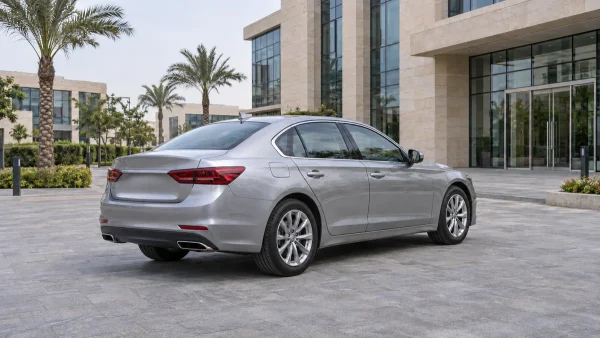
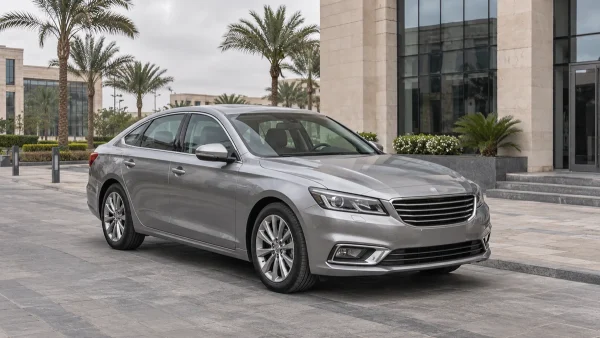
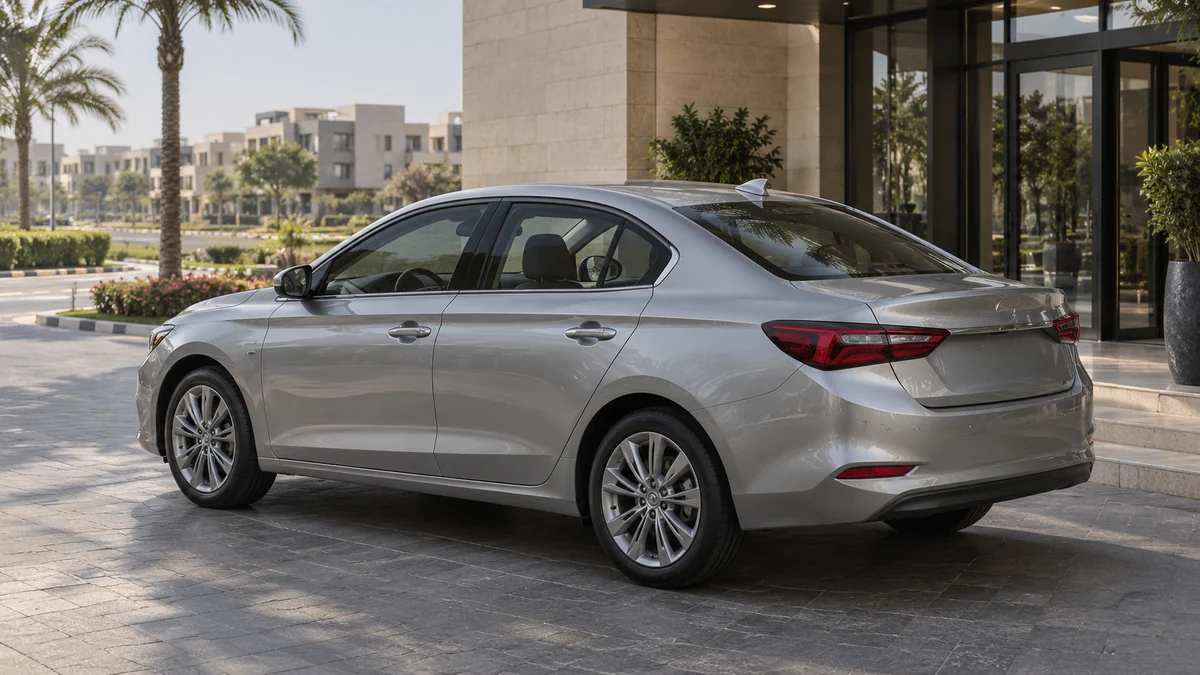
The vehicle offered for the booking is the relevant reference. A brochure, category picture or illustrative article image can help explain what to inspect, but cannot establish the available car’s configuration. Keep a clear distinction between the model you initially requested and the vehicle the team has actually identified for consideration.
Our guide to confirming the car model and equipment before booking explains that wider verification step. For a tall passenger, carry the seating question through that process too. Even when the requested category remains the same, a different car or interior configuration warrants another look at the intended place.
Hypothetical example: choosing a car for a tall passenger and companion
This is a hypothetical planning example, not a customer story or an offer. A tall adult and a companion want to travel in the rear. They are considering a Mercedes sedan and a Viano, subject to confirmation. The first sedan photograph shows a generous gap, but its front seat is pushed forward. They ask for a view representing the front occupant’s normal position, together with the roof lining and footwell.
The van photograph is taken through the centre aisle. It does not show the proposed side seat clearly, so they request that position and the row ahead. They do not choose a winner merely because one vehicle looks taller. Their next decision depends on the information obtained and any suitability check that can actually be coordinated.
An enquiry for car rental with a driver in Egypt
Keep the opening message specific: “We would like to rent a car with a driver for this date and route, for a tall passenger and a companion. We expect to use the rear seats. Please confirm the actual vehicle options and help us review head, knee and foot space at the proposed position, with the front seat arranged for normal use. How could we check any point that photographs do not resolve?”
Add the pickup and destination, requested service times and any other passengers or bags affecting the arrangement. Contact Limousine Cairo on 01118974446 or send the details through WhatsApp. The vehicle, availability and scope of service need confirmation before agreement.
Recheck suitability if the car changes
A conclusion about one car does not automatically transfer to a replacement. If another vehicle is proposed, identify what has changed and revisit the intended seat. Do not rely only on a statement that the replacement belongs to a similar category or carries the same brand.
Explain which aspects of the earlier arrangement mattered: the particular rear position, the relationship with the front seat, the roof clearance or the usable floor area. Ask for confirmation of the revised arrangement before treating it as agreed. That is more precise than repeating a general request for a large or comfortable car. This does not establish a replacement policy or contractual entitlement.
Conclusion
For tall passengers, useful car rental comparisons begin with the actual seat. Assess head, knee and foot space together, with the normal travelling arrangement in place. Use Mercedes sedan, SUV and Viano options as starting points for questions, then confirm the proposed vehicle and any unresolved suitability details before booking. Neither a category name nor an illustrative photograph can establish personal fit on its own.
Frequently asked questions
Is an SUV always roomier for a tall passenger?
No. Exterior height does not establish the usable relationship between the seat, floor and roof. Review the intended seat, the occupied front-seat position and the place for the feet. An SUV is an option to evaluate, not an automatic answer for every tall passenger.
Is the model name or wheelbase enough to choose?
No. They do not describe your seated proportions or the complete arrangement in the proposed vehicle. Confirm the car’s identity and configuration, then examine the relevant seating position. Avoid applying dimensions or equipment from another generation, trim or market to the car under discussion.
Can I rely on a photograph of the rear seat alone?
A photograph can clarify layout but cannot confirm personal fit by itself. Its angle and the position of the front seat matter. Ask for views of the roof, knee area and footwell, and identify what remains uncertain. Discuss whether further checking can be arranged.
What should I ask when renting a Mercedes or Viano with a driver?
Ask which actual vehicle can be considered for your date, which seat is proposed, and what its normal arrangement looks like. For a Viano, confirm the row configuration too. Do not assume particular adjustments, equipment, availability or a guaranteed suitability appointment from the model name.
What should I do if the proposed car changes?
Review the replacement’s intended seat again and explain the fit details that mattered in the original option. Ask for the revised vehicle and service arrangement to be confirmed before agreement. A similar category does not prove the replacement offers the same usable space.