
Rent a Car for an Exhibition Team in Egypt: Plan Every Show Day
A company exhibiting at a trade show has different transport needs from a visitor who attends briefly and leaves. One colleague may arrive to prepare the stand, another starts a later shift, and a supervisor may remain after visitors depart. A car booking based only on public opening hours can miss the needs of the people it is meant to carry.
When you rent a car for an exhibition team in Egypt, begin with the team’s work at the stand and turn that into clear journeys. This guide explains how to separate setup from show days, organise shifts, choose a vehicle and arrange collection. It also distinguishes passenger transport from shipping stand equipment, and identifies the details that need separate agreement before a booking is confirmed.
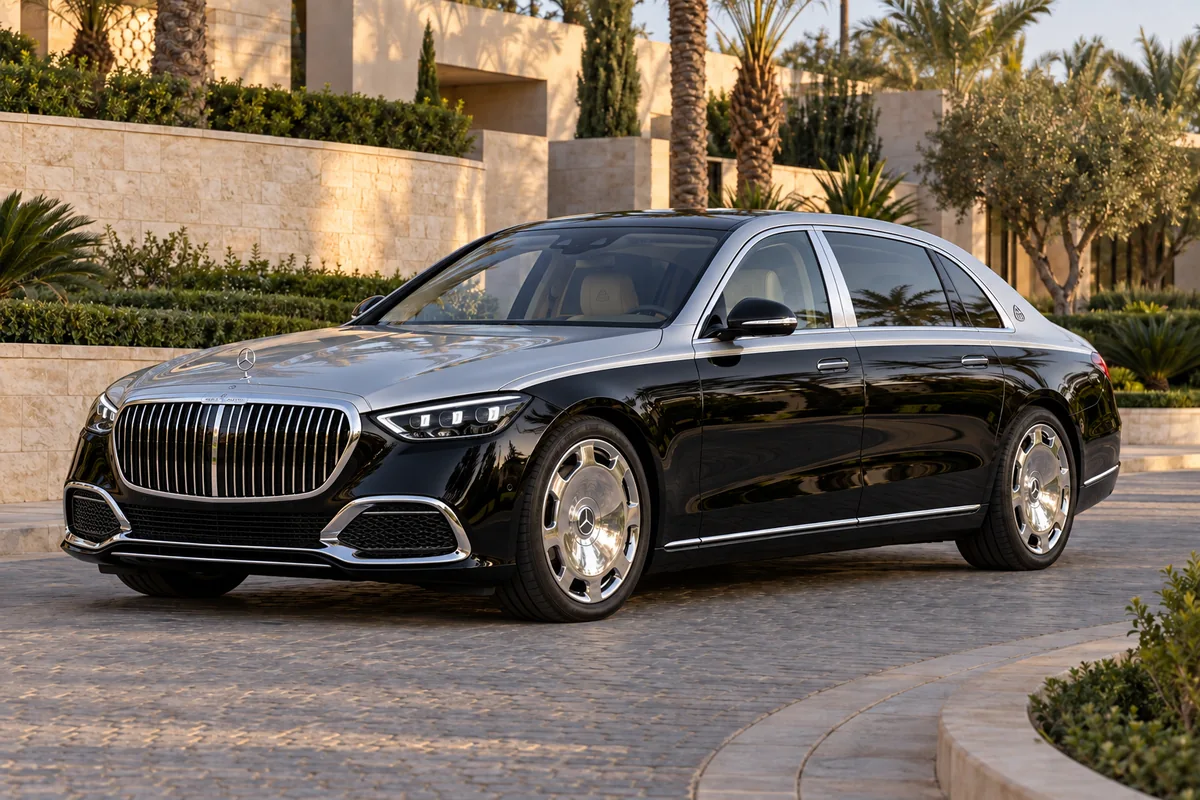
The car images in this article are illustrative, and the featured image is AI-generated. They do not document the actual fleet or permission to access a particular venue. The available vehicle and arrival arrangements are confirmed when booking.
Define your company’s participation first
Establish what your company will do at the event. Are you running a stand throughout the show, exhibiting on one day, or sending salespeople to meet clients? The role changes the transport requirement even when the destination is identical. The employee opening the stand has a different commitment from a colleague attending one meeting.
Write down the actual participation dates, who needs to attend each day and where they will return. Avoid choosing a model first and trying to fit every requirement around it. Let the participation plan define the booking. If staffing is incomplete, separate confirmed needs from possibilities so you can discuss what can be reserved now and what needs a later review, without treating every potential journey as confirmed.
Separate setup days from public show days
Some colleagues may need to arrive before visitors to take over the stand, check materials or test a presentation. Setup arrangements are not universal. Obtain the organiser’s exhibitor schedule and access instructions for the particular edition you are attending, then plan passenger journeys around them.
Create separate entries for any setup day, public show days and the final day if departure differs. This prevents one pickup time being copied across days with different requirements. If a contractor prepares the stand, do not add its movements to the sales team’s car booking without explanation. Contractors may have different entrances, equipment and arrangements. The transport company needs to understand the agreed passengers and route; it should not have to infer the exhibition’s operating plan.
Verify the venue name and the team’s entrance
Send the event name, venue name and location link from the organiser’s page. A broad request for the “exhibition grounds” or a general district can be ambiguous. A colleague may remember a previous edition’s venue or share an outdated location. Keep one agreed address reference and review arrival instructions received after registration.
An organiser’s official page, such as the Egypt Energy Show venue page, illustrates how to check the event location and schedule. This is a verification example, not a claim of partnership or confirmed coverage of an event. Ask the organiser about exhibitor access and passenger drop-off, then discuss what the car company can coordinate. A hall or stand number does not establish vehicle access to its door.
List journeys rather than just employee names
Names alone do not establish how many cars are required. For each passenger, add the attendance date, pickup point, time they can leave and belongings. Two colleagues at the same hotel may finish different shifts, while another returns elsewhere. Those differences affect the scope of the booking.
Share only information needed for the journey, such as the name used within the team and the coordinator’s contact number. Avoid unrelated documents or commercial details. If participation changes, update the agreed list instead of scattering extra names across messages. A maintained passenger and journey list also helps identify movements that need a separate vehicle and those that could be combined after the group agrees and the company confirms a suitable arrangement.
Organise transport around actual staff shifts
Where the stand operates in shifts, establish each group’s start and finish before setting pickups. The key deadline is when staff must be ready at the stand, rather than simply reaching the venue area. Allow for their entry process and preparation according to event instructions and the journey conditions.
Avoid making the arriving shift depend on the departing shift if that could leave the stand uncovered. Discuss separate journeys or another workable arrangement, and obtain confirmation before adopting it. If a shift pattern is still only an internal suggestion, settle it first. Changing the number of movements after booking can alter the service scope even if the total number of employees remains unchanged. Passenger count and journey count answer different planning questions.
Decide between one vehicle and separate journeys
One vehicle may suit passengers leaving from one point, working the same schedule and returning together. Different shifts, return addresses or individual requirements may make separate journeys clearer than giving one car a complicated route. This is an organisational decision before it becomes a vehicle category decision.
Compare the waiting imposed on colleagues with the extra stops required. Combining everyone is not automatically the most suitable arrangement. If a colleague leaves for an off-site meeting, distinguish that journey from the stand team’s transport. Our guide to planning a car for Cairo business meetings can help organise those additional work movements. Multiple vehicles or simultaneous journeys require confirmation of availability and coordination for each movement.

Select a category after describing people and belongings
Start with passengers on each journey, then describe bags, work equipment and any mobility requirement. Discuss the suitable category after those details are clear. A theoretical maximum seat count is not a complete answer: having seats and having appropriate storage in the actual vehicle are separate considerations.
If you prefer a Mercedes or another category, include that preference and ask which vehicle is available for the booking. If travelling together matters most, explain that before discussing appearance. Review our guide to matching vehicle space with passengers and luggage. Photographs illustrate possible categories; they do not establish availability of a particular model or configuration. Selection follows a review of your group’s requirements and the company’s confirmation.
Keep passenger transport separate from stand freight
Space inside a passenger vehicle does not automatically make it suitable for exhibition freight. Describe screens, display boxes, installation tools or larger materials before agreeing the booking. Do not call them “a few small bags” and expect acceptance when the vehicle arrives. They may require a different arrangement outside the requested service.
Check who handles exhibit shipping and the organiser’s loading and delivery instructions. Keep that process separate from employee journeys. Also describe small items accompanying passengers, such as laptop bags or document cases, by number and size. Assistance with personal belongings should not be interpreted as stand handling, equipment installation or responsibility for those tasks. Each requirement needs a clear description and an agreement appropriate to its nature before it is carried out.
Separate exhibitor credentials from vehicle permission
A personal exhibitor badge does not establish whether a car can enter or wait within a particular area. Review the organiser’s instructions for your edition and ask about passenger and vehicle requirements separately. An exception granted to another team should not be treated as a rule applying to your booking.
If the organiser needs vehicle or chauffeur details, discuss this early with the company to establish what can be supplied and when. Avoid promising colleagues a specific entrance before receiving confirmation. A car booking does not grant venue permission, priority access or an exemption from procedures. Employees should understand the agreed drop-off point and how they will reach the stand, particularly where carried materials or internal movement routes have their own instructions.
Compare bookings by how the team will use them
An outbound morning transfer differs from an outbound and return booking, and both differ from an agreed period of vehicle use involving waiting. Choose around actual movements. If staff will leave and return during the day, describe the proposed journeys and addresses. Saying “the car is for the exhibition” does not define the scope.
| Requested arrangement | What to clarify |
|---|---|
| Transfer to the venue | The team’s independent return plan |
| Outbound and return | Both times and the collection point |
| Several defined journeys | Passengers and addresses for each movement |
| Agreed period with waiting | Duration, scope and adjustment terms |
Do not assume a longer arrangement costs less or includes waiting. Clarify each option and compare it with confirmed needs. Both parties should know what is requested and which later additions need another agreement.

Turn the show programme into a daily transport schedule
Work backwards from staff commitments at the venue. Distinguish the time they need to be ready at the stand from hotel pickup, and add each group’s return and contact person. Public opening hours should not simply become car times: staff may need to arrive earlier or remain later according to their roles and the event’s instructions.
Use the organiser’s official schedule for the relevant edition. Published hours may differ between days, so check each date. Keep your transport schedule short enough to read on a phone and distinguish confirmed arrangements from requests awaiting review. Maintain one approved version: several different screenshots in a work messaging group can create more confusion than useful detail.
Coordinate hotels and pickup points before participation
If employees stay at several hotels or addresses, review the proposed collection order and its effect on passengers. Locations that look close on a map can still introduce stops the provider does not know about. Send each hotel’s full name, location and meeting entrance, then ask for route confirmation.
Agree who ensures readiness at each pickup. The first passenger being ready does not help if someone at the next address is still packing. If a hotel provides another transport arrangement, distinguish its bookings from the company’s to avoid two vehicles being expected for the same purpose. Where accommodation changes during the exhibition, notify the transport company before the journey. Posting an address in an internal work group does not inform an external provider.
Keep a visiting partner’s journey separate from staff shifts
An exhibitor may host an important client or an overseas partner during the show. That guest can have different needs from stand employees. Avoid making a scheduled guest wait for an entire shift to finish. Define their address, timing and host separately, then ask about an appropriate available vehicle.
For an airport arrival, prepare the relevant flight details and consult our guide to coordinating guests arriving on different flights. Do not assume the transfer includes exhibition registration or entry. Request confirmation of a particular communication language or reception arrangement if needed. Keep the guest’s private and business information outside the details necessary to carry out the journey.
Arrange collection around when staff are ready to leave
The end of visitor admission does not mean everyone at the stand is ready for pickup. Staff may need to gather belongings, finish a final conversation or hand over a responsibility. Agree when they can actually leave the venue rather than having the return car wait for predictable tasks.
Equally, do not delay the whole group unnecessarily if most can depart earlier. Compare a shared return with a separate arrangement for the person staying, subject to availability and agreed scope. Establish the contact process and available collection point, which may differ from drop-off. Do not assume the chauffeur can stop at a busy gate or wait inside the site. Discuss how delays would be handled before they become an urgent call at the end of a long working day.
Review every date in a multiday booking
Transport across several exhibition days needs defined service dates and movements for each one. Are extra colleagues joining on day two? Does the last day involve different shifts? Is a journey required when the event is not receiving visitors? Write this down rather than relying on “the same booking every day.”
If you prefer the same category or chauffeur throughout, state that preference and ask what can be confirmed. Do not promise it internally before receiving a response. Clarify communication if a vehicle changes within the agreed category or contact details differ. Multiple days do not automatically imply a discount. You need a clear arrangement covering the actual scope, with included elements distinguished from requests still dependent on availability when confirmed.
Describe work devices and small samples accurately
Staff may carry laptops, documents, brochures or small samples permitted at the event. Explain what accompanies the passengers rather than providing headcount alone. Where a sample is fragile or needs special handling, first ask whether it is suitable for the proposed car arrangement. Do not describe it as ordinary personal luggage without explanation.
Agree internally who keeps devices and documents during the day. The car should not automatically become their storage location: the booking may not include keeping the vehicle available or holding belongings. Important items need clear arrangements. If the load grows beyond the original description, update the request before travelling. One additional large bag can affect vehicle suitability even when the number of passengers stays the same.
Use one route for approving schedule changes
Choose one person to send approved changes and receive the company’s response. Simultaneous instructions from a sales manager, stand supervisor and passengers can conflict. First establish the affected date, journey, address and passengers, then send a specific request rather than a general instruction to bring the car earlier or later.
Ask whether the change is possible and how it affects the agreement before adopting it internally. If it does not fit the available arrangement, discuss clear alternatives, such as retaining the group’s return and separating an individual journey. Do not assume an immediate extra movement or standby car is available. Once confirmed, tell every passenger the updated plan so nobody waits at the hotel using an outdated schedule.
A practical example for a small exhibiting team
Suppose a company has sales staff and a stand supervisor carrying laptop bags and limited paperwork. The coordinator identifies who needs to attend setup, then divides public show days into an opening group and colleagues arriving later. Each group’s accommodation and shared or separate return requirements are recorded.
The coordinator sends these details to discuss suitable vehicles and journeys. Shipping the display screen and stand materials stays with the party responsible for it. On the final day, departure readiness is reviewed around remaining staff duties. This is a planning example, not a package, mandatory schedule or promise of a particular number of cars. It can be simplified when everyone works the same shift or adjusted for a partner travelling separately, with additions confirmed before entering the transport plan.

Prepare a booking brief the company can answer
Include the exhibition name, venue and service dates, then passenger numbers, pickup and destination addresses, and belongings for each movement. Distinguish required readiness at the venue from a proposed pickup time. Explain return requirements, waiting and extra stops. State any preference for category, communication language or assistance as a request needing confirmation.
A useful opening is: “We are exhibiting at this event on these dates. Here are our passenger groups, addresses and shifts. Please confirm the available vehicle, return arrangement and what waiting covers.” These details support a discussion of our chauffeur-driven car rental service. For group travel, ask about group transport arrangements and suitable availability, without assuming every operating format has the same terms.
Check the agreement before booking your exhibition car
Match the service dates, movements, passengers, category, pickups and return points. Ask what the quoted arrangement covers and how waiting, delays, address changes or additional journeys would be handled. Two offers with the same vehicle name may cover different services, such as one transfer versus an agreed period of use.
Keep exhibitor registration, access permissions and stand freight separate from the car service, and confirm extras explicitly. Limousine Cairo accepts bookings by phone or WhatsApp only. Call 01118974446, 01118974448 or 01118964445, or send your schedule through our booking WhatsApp. After confirmation, share one summary with passengers showing the arrangement actually approved.
Conclusion
Renting a car for an exhibition team in Egypt starts with understanding stand duties and shifts, then translating them into defined journeys. Separate passenger travel from equipment shipping, review organiser instructions and base collection on when staff are ready to leave. Send Limousine Cairo your dates, passengers and addresses by phone or WhatsApp to confirm the available vehicle and service scope.
Frequently asked questions
Can I book a car for the exhibition team across several days?
Send your participation dates and required movements to discuss the arrangement and availability. Describe each day separately. Do not assume every date, waiting time or the same chauffeur is included until these details are confirmed.
Will the passenger car also transport stand equipment?
Do not treat shipping stand equipment as part of employee transport. Describe anything accompanying passengers and check suitability beforehand. Large equipment or items requiring handling and installation need a separate arrangement with the responsible party.
Does booking guarantee vehicle access to the stand entrance?
A car booking does not grant site permission or priority access. Review organiser instructions and the available drop-off point, then coordinate what can actually be carried out. A personal exhibitor badge alone does not establish vehicle access.
How should we arrange returns for different shift finishes?
List each group’s departure readiness and return address, then discuss separate journeys or another suitable arrangement. Extra movements, waiting and time adjustments need confirmation. One person staying later does not automatically require everyone else to wait.
Can an airport pickup for a partner join the plan?
Request a separate journey and provide the relevant arrival details and destination. Availability and scope are confirmed when booking. Airport reception and the partner’s exhibition admission are not automatically part of the stand team’s transport.