Wedding Limousine Rental in Egypt: One Stretch or Two Cars?
One stretch limousine is worth considering when the couple and companions genuinely need the same journey and the proposed car can accommodate their individual seating, access and belongings. Two vehicles deserve a closer look when those people have different jobs to do, or when the proposed seating arrangement in one car does not suit them. The decision starts with the passengers and their needs, rather than the number of cars in the arrival photograph.
Before you rent a limousine in Egypt for a wedding, decide who actually travels together. Then compare a specific stretch proposal with a specific two-vehicle proposal. Neither an extended body nor a second vehicle answers the seating questions on its own. Compare both options against the same passenger needs, keeping every person’s journey accounted for.
Wedding limousine rental: start with who needs to travel together
Ask a simple question before choosing the body style: is the shared journey itself important to everyone involved? The couple may want particular companions alongside them, while another person only needs transport to the venue. Both are reasonable requests, but they lead to different proposals. A wish to appear together in a photograph is not necessarily a need to share the whole journey.
Describe that distinction when discussing the wedding car and stretch limousine service. Ask which actual vehicles could be reviewed for your date and passenger needs. Keep both arrangements open until the relevant details are explained; choosing the configuration does not confirm its availability.
The couple and companions: who needs a place in each car?
Make a passenger list for the journey you are comparing, rather than copying the wedding guest list. Someone helping during preparation might travel independently. A photographer attending a photo session might have separate transport. Neither should be added to a car simply because they will be present when the couple leaves.
For each intended passenger, establish:
- Whether they need to travel with the couple or only reach the same destination
- Any access or seating requirement that affects the proposed vehicle
- The belongings they will carry and whether another person needs those items
Include anyone whose place is still undecided. A person who may join is an unresolved passenger question, not spare capacity you can assume. If you compare two vehicles, keep every person visible in the allocation instead of concentrating on the couple’s car and leaving the companions to work it out later.
When does travelling in one vehicle serve the group?
A shared car is a coherent option when the people involved want the same journey and can be ready for it together. The attraction may be keeping a small party together, including a particular companion in the experience or having one vehicle to identify at the meeting point. Check that those reasons reflect what the passengers actually want.
Consider the consequence as well: a shared departure depends on the group being ready for the shared task. If one person needs to leave independently, ask whether that changes the arrangement. One cabin does not guarantee calm or privacy, but it can be the configuration you prefer when the real passenger requirements align.
When do two separate jobs make more sense than one larger car?
The couple may want their own travelling space while a companion takes personal essentials directly to the venue. That creates two jobs, even if everyone began at the same address. Making one vehicle larger does not allow it to perform two separate journeys at once.
Describe the tasks before deciding that a second car is needed. If the companions will actually make the same journey and want to stay together, splitting them may add an arrangement they do not need. If their jobs differ, compare two suitable vehicles and ask how each request can be confirmed. The purpose is to give each vehicle a clear role. If the couple need a particular companion with them, retain that requirement when discussing the other companions’ transport; separation need not mean the couple travel alone.
Rent a stretch limousine: assess the actual cabin, not its length
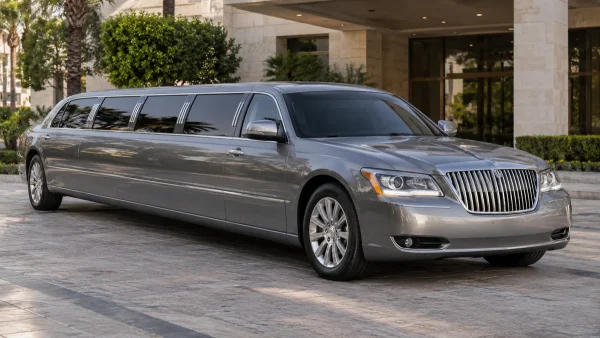
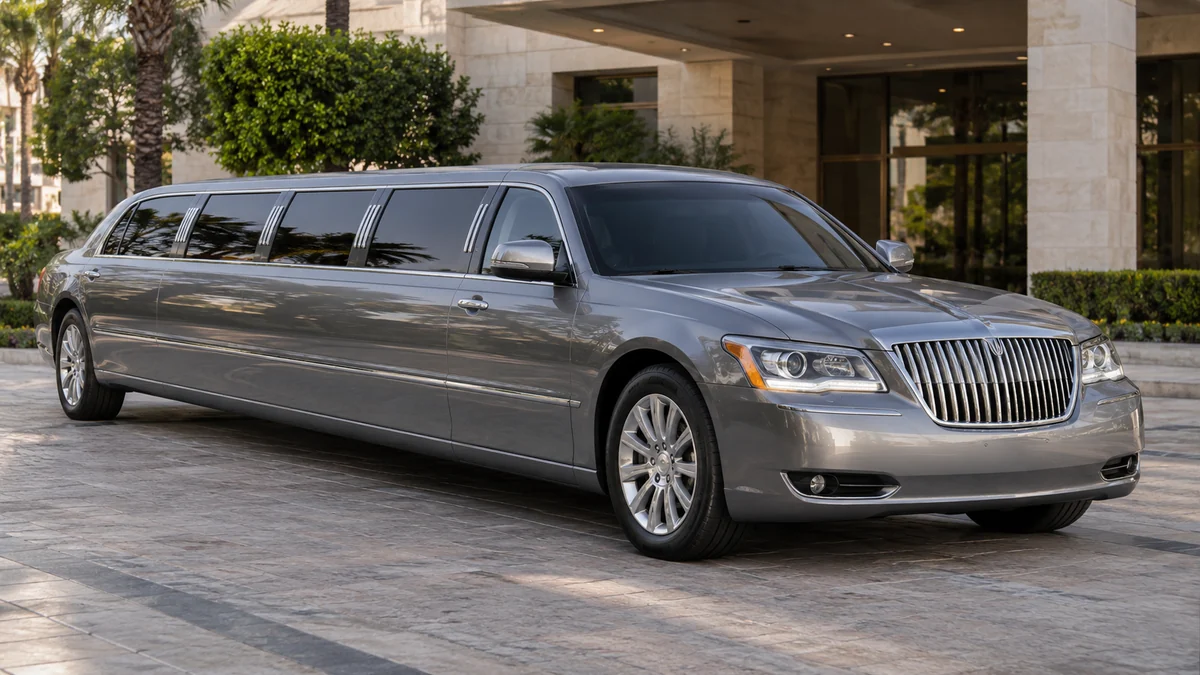
An extended exterior establishes a visual preference, not a passenger allocation. Ask which stretch is being proposed and how its actual passenger places and access would serve your group. A broad cabin photograph can leave important details outside the frame, including the route from the door to the intended place.
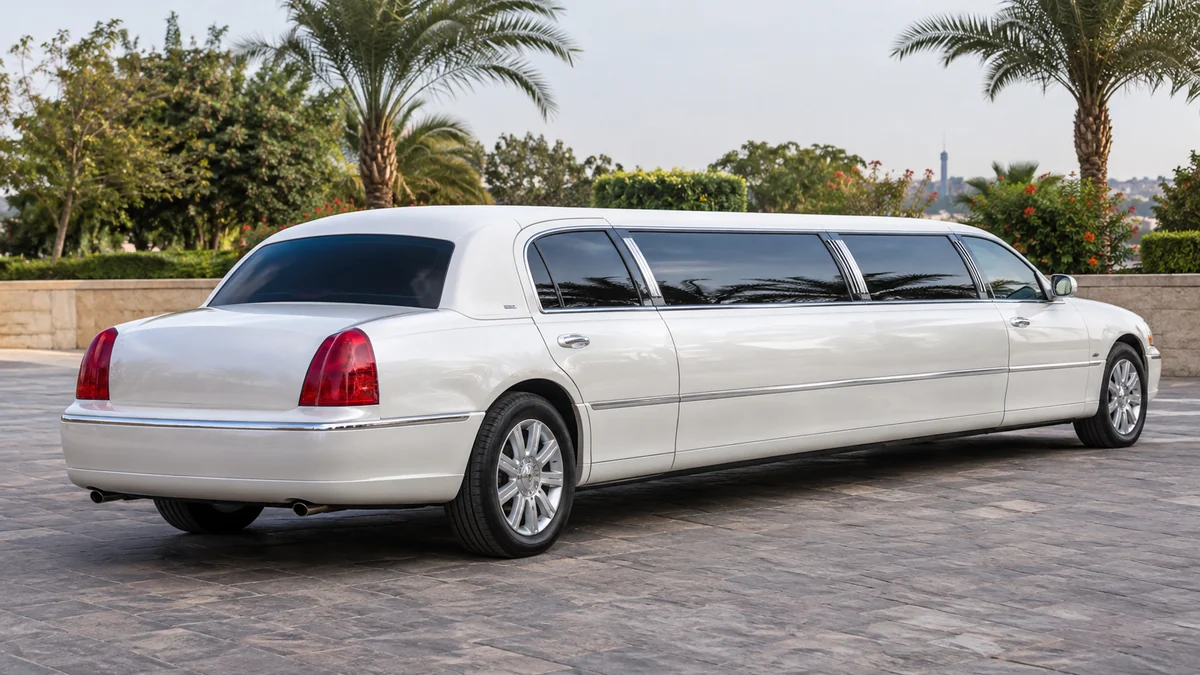
Bring the passenger list into that discussion. Explain who needs to sit with whom, what wedding attire is involved and which belongings remain in the car. Ask about the proposed configuration rather than assigning people to an imagined interior. The category name alone does not identify a layout, a partition or equipment.
If the answer leaves a passenger’s place unresolved, retain that question while comparing the alternative. Attractive bodywork cannot compensate for an arrangement that has not been explained for the people using it.
Confirm every passenger’s seat and belt before allocating the group
A visible sofa or an empty-looking area should not be counted as another travelling place. Ask about each intended passenger’s actual seat, its belt and how that person reaches it, keeping passenger places distinct from the driver’s position. Do not assign additional passengers from apparent width in a photograph.
NHTSA’s general seat-belt guidance recommends buckling up on every journey, including limousine travel and rear-seat travel. Everyone should be properly seated and belted before the car moves. This general guidance does not identify the equipment in a proposed car or describe Egyptian law.
If you cannot establish a suitable individual arrangement, review another proposal. Sharing a place or treating a short journey as an exception does not resolve the passenger allocation. If a child joins a group originally planned as adults, discuss that passenger’s seating and compatibility needs afresh rather than carrying over the adult arrangement.
Renting two wedding sedans: distinguish each car’s role from its appearance
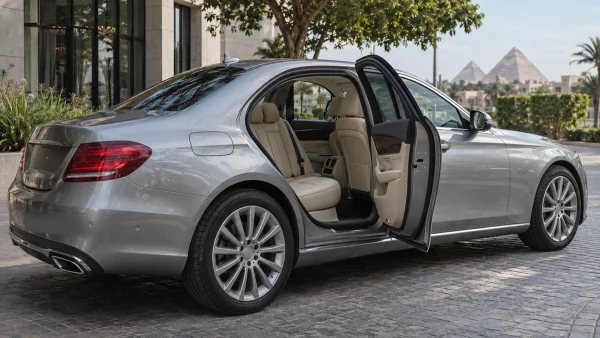
Two sedans are one possible configuration to discuss. Start by naming the job of each: perhaps the couple’s journey in one, with companions and their agreed belongings in the other. Then ask whether the actual vehicle proposed for each job suits its assigned passengers. Two cars do not automatically establish enough suitable places.
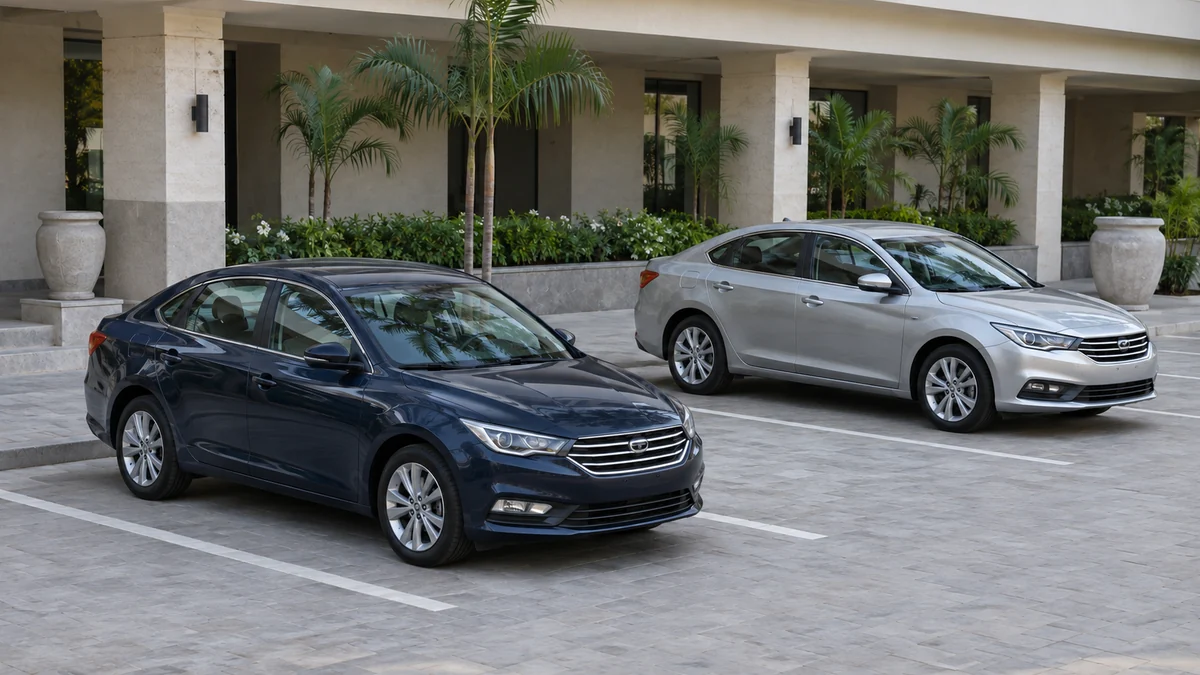
Review the second car with the same attention as the first. Its occupants need to understand which vehicle they are taking, where their belongings travel and whom to contact. An undefined companion car leaves a substantial part of the request unresolved, even when the couple’s choice is clear.
You can prefer a coordinated appearance, but confirm that separately from passenger fit. The arrangement needs two actual vehicle proposals and an explanation of their respective service scope; it is not an assumed wedding package.
Rent a Mercedes for the couple: compare the proposed car with companions’ needs
If you prefer to rent a Mercedes for the couple, use the current car catalogue to identify a starting point for discussion. C180 and E200 appear among its choices, but a model name does not confirm the year, seating details or availability for your date. Mercedes is a marque; a proposed Mercedes sedan remains part of the sedan arrangement being assessed.
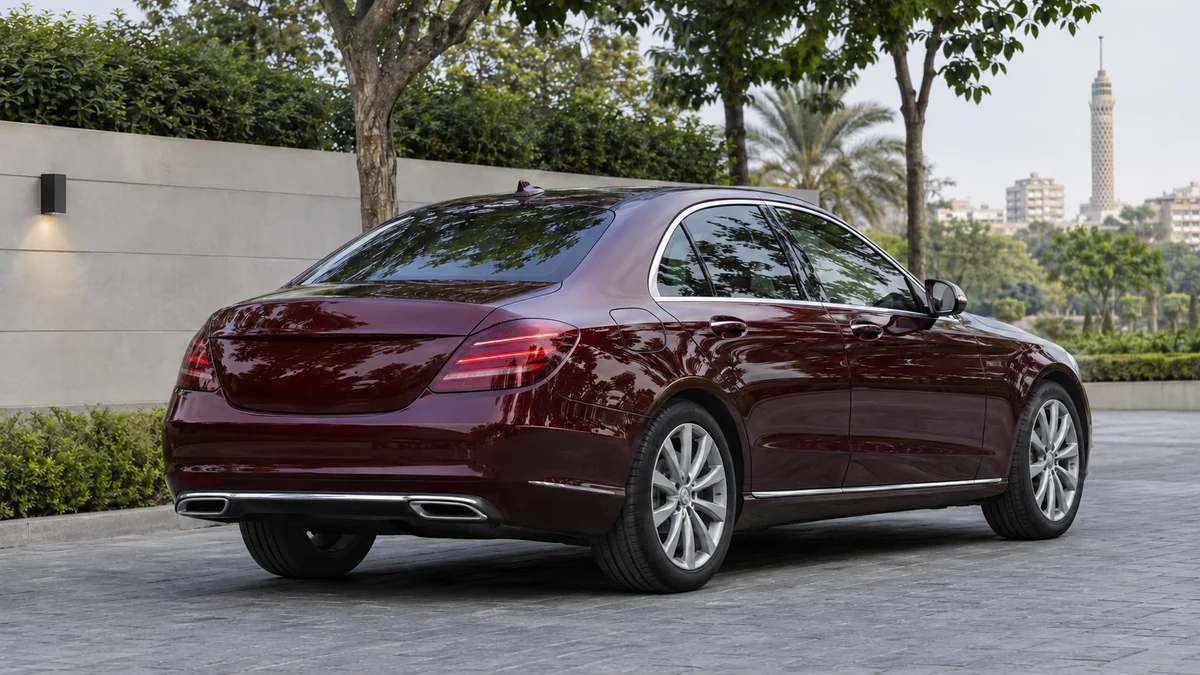
Keep the couple’s occupied seating and access needs alongside the companion allocation. A preferred car for the couple does not answer where the remaining people will travel. If you are still choosing a general wedding-car category, the wedding and engagement car comparison guide covers that broader decision. Here, compare what the proposed car contributes to this particular arrangement.
The couple’s car plus a passenger van: another two-vehicle arrangement
If the proposed companion sedan does not suit its passengers or belongings, ask whether an actual passenger van could be reviewed alongside the couple’s car. This is still a two-vehicle arrangement. It changes the companion vehicle, rather than adding a third car by default.

The catalogue includes Mercedes Viano and Hyundai H1 names as enquiry options. Confirm the actual vehicle and its seating, access and belongings arrangement instead of inferring a capacity from the word van. A larger body is not automatically easier for every passenger to enter. Compare the proposed van against the companion group’s needs, with its availability and service separately confirmed.
Boarding in wedding attire can change the comparison
Review the door-to-seat route and the occupied seating position with the clothing that will actually be worn. The extended appearance of a stretch does not answer how someone reaches a particular place, just as a sedan badge does not establish dress space. Explain the requirement before allocating passengers, and ask what relevant information or review may be possible for the proposed car. For detailed clothing questions, use the bridal gown and wedding-car seating guide; do not assume a rehearsal or inspection is included.
Small belongings can change who needs the second vehicle
A garment bag and a small personal bag can affect the allocation even when nobody has travel luggage. The important question is who needs the item and when that person should have it. Giving all belongings to the companion car may separate an essential from the couple who need it during their own journey.
Name the responsible person for each relevant group of items. Keep the description practical:
- Items that must remain with the couple
- Items a companion can take directly to the destination
- Items whose position in the proposed vehicle still needs clarification
Discuss where these belongings can be carried with the passengers actually seated. Do not count a required passenger position or belt space as storage. If an item changes the suitability of the companion vehicle, include it in the proposal before choosing between a sedan and another option.
A contact for each car keeps passenger decisions clear
One booking contact can coordinate the overall enquiry while each vehicle has a known passenger contact and task. Identify who can answer a question about the couple’s car and who knows which companions are travelling in the second vehicle. Those roles may belong to the same organiser, but they should be understood by the people travelling.
When someone changes vehicles, update the passenger allocation and any belongings responsibility together. A companion who carries the garment bag should not silently move to the other car while everyone assumes the original arrangement still applies.
Share the relevant booking information with the passengers who need it. Two vehicles do not need to follow closely or arrive simultaneously for their roles to make sense. Do not build the request around an assumed convoy, radio link or driver-to-driver communication service.
The arrival photograph does not decide the number of cars
A stretch can provide the extended profile you want in a picture, while two cars may suit a different composition. Treat that as an appearance preference alongside the transport decision. A photograph showing the whole party around one car does not establish that everyone will travel inside it.
If matching models or colours matter, ask whether that specific request can be confirmed. Two cars are not automatically identical, and flowers in a reference photograph do not establish included decoration. Discuss photographs at an agreed, permitted stationary location; the visual plan should work around normal passenger travel rather than require people to perform inside a moving cabin.
Compare the stretch and two-car quotes against the same request
Give both proposals the same actual passenger list and travel tasks. For two vehicles, make each vehicle’s service scope clear rather than comparing a stretch journey with an undefined second car. Include the date and the required service period for each, along with relevant belongings and passenger needs.
Ask which parts of the request are included and which still require agreement. Waiting, a requested photo stop or decoration should be explained where relevant; do not infer them from a wedding label. If a parking or road charge affects the proposed service, ask how it is handled for that request.
There is no general rule that two sedans cost less than one stretch, or that a second car simply doubles a quotation. Compare the actual scope. The wedding-day transport planning guide covers the wider programme once the passenger arrangement is clear.
If companions change, review the allocation before changing category
A new companion affects the proposal through a specific passenger place, access requirement and any belongings they bring. Identify which vehicle’s allocation changes. Do not immediately replace the whole plan with a larger-looking category before understanding the actual issue.
Send the revised group and task information to the booking contact and ask what can be confirmed. Moving someone from one vehicle to the other also changes the receiving vehicle’s proposal. An initial request or a previously agreed arrangement does not automatically cover an additional passenger. Wait for a clear revised answer before relying on the new allocation.
An illustrative example: the couple and three companions
Consider two adults who are the couple and three other adult companions. Initially, all five want the same direct journey. They ask about one proposed stretch, explaining their actual seats, access and belongings needs. The group size describes this hypothetical request; it does not state the capacity of any limousine.
Later, one companion needs to go directly to the venue with a garment bag and small essentials, while the couple want a photo stop. The request now contains different tasks. They compare the stretch proposal with a proposed sedan for the couple and a suitable companion vehicle, without assuming either arrangement is available.
They also ask where the other two companions would travel. Do they need to remain with the couple, or would they go directly with the companion carrying the belongings? Which actual vehicle has suitable confirmed individual places and access for each intended occupant? They review the items the couple still need with them before deciding.
This is a planning example, not a customer account or a completed booking. The useful distinction is the change from one shared task to separate passenger tasks. Every person remains part of the allocation discussion, and the actual vehicle fit still needs confirmation.
Decision table: what does one vehicle combine and two vehicles separate?
Use the table to frame the enquiry. It does not rank vehicle categories or assign a passenger capacity.
On a small screen, swipe across the table to read all columns.
| Decision criterion | One proposed stretch | Two proposed vehicles |
|---|---|---|
| A genuinely shared journey | Does the group need the same journey together? | Which tasks should be allocated separately? |
| Actual passenger places and access | Confirm a suitable individual place and access for every intended passenger | Confirm the allocated passengers and access separately for each vehicle |
| Essential belongings and their responsible person | Who carries the items, and where can they travel with the occupied group? | Keep each essential with the person who needs it or its agreed responsible companion |
| Different passenger tasks and contact | Does one shared task suit the group, with a known vehicle contact? | Give each vehicle a clear task and known passenger contact |
Prepare a wedding limousine enquiry with both options
Send a compact description of the actual party and the jobs the vehicles need to do. For example: “We would like to review one stretch against two vehicles for our wedding. The passengers are the couple and their companions. These people need to travel together; these others have a separate task. Please review suitable individual seating, access and the listed belongings, then explain what can be confirmed for each option.”
Add your date and necessary service scope, with a preferred car or colour where relevant. Ask for the proposed vehicle details and quotation inclusions. The aim is an answer about workable arrangements for your group, rather than a request to add cars without an identified purpose.
Enquire through Limousine Cairo on WhatsApp or call 01118974446, 01118974448 or 01118964445. Booking is by telephone or WhatsApp; the website is a catalogue. Review the actual response before treating a vehicle combination as confirmed.
Conclusion
When everyone genuinely needs the same journey and the proposed vehicle fits each passenger, one stretch is worth reviewing. When the couple and companions have different tasks, or the occupied arrangement does not suit them, compare two vehicles with clearly assigned roles. Confirm the people, places and belongings in each proposal. The useful choice is the arrangement that answers those needs, rather than more cars or a longer body by default.
Frequently asked questions about one stretch or two wedding cars
Does one stretch limousine always remove the need for a companion car?
No. Review the actual passenger places, access and belongings, and whether the people genuinely share the same task. Exterior length does not establish how your group can travel.
Are two sedans cheaper than one stretch limousine?
There is no universal answer. Compare proposals for the same passenger tasks and clearly stated service scope, with the relevant inclusions explained. Do not assume a fixed price relationship between configurations.
Can the couple travel with only some of their companions?
Ask about that allocation in the actual proposed car and account separately for every remaining companion. Suitable places and access need confirmation; a personal preference does not establish another seat.
Does the second vehicle need to be a matching Mercedes?
There is no general need for matching vehicles. Start with its role and passenger fit. If matching appearance matters to you, treat it as a separate request requiring confirmation.
What if another companion joins after the vehicles are agreed?
Notify the booking contact and review the affected vehicle’s passenger allocation, access and belongings. Ask which revised option can be confirmed before relying on the change.