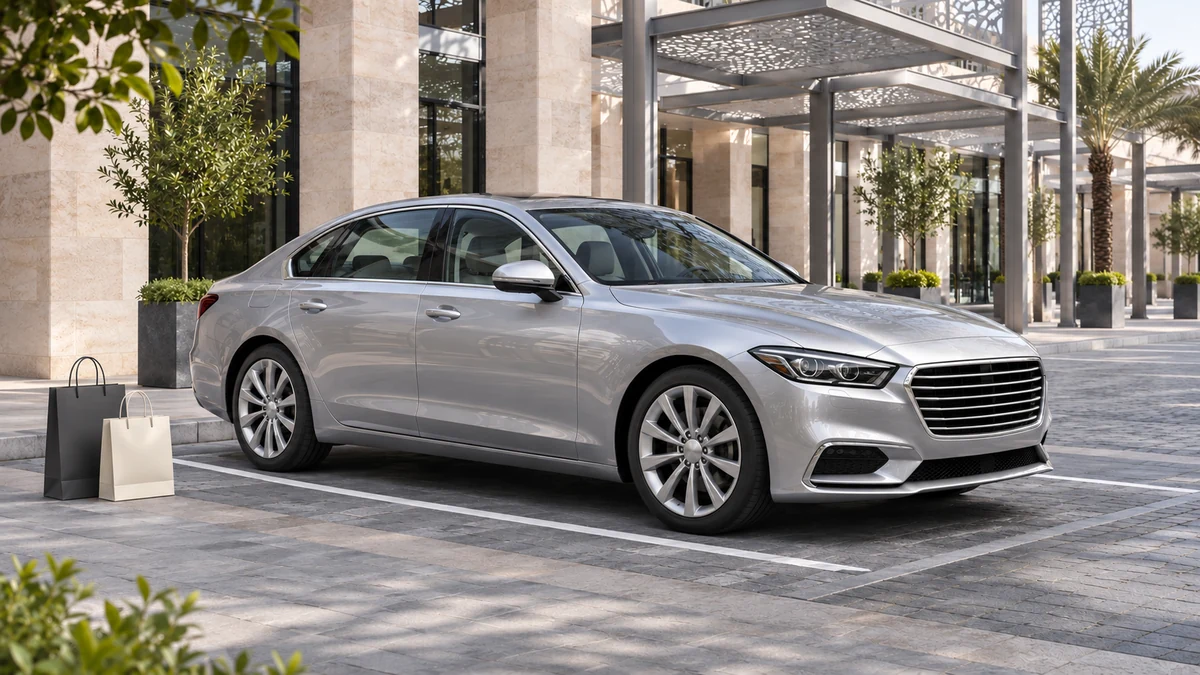
Car Rental with a Driver for Shopping in Cairo: Plan the Journey Back
A shopping trip can begin with two people and a small bag, then end with clothing bags, shoe boxes and a purchase that needs its own protective carton. When choosing car rental with a driver in Cairo, plan the journey back before choosing the vehicle. The question is not simply which car looks right outside the shop, but whether the purchases can travel without occupying passenger seats or making the return uncomfortable.
This guide explains how to rent a car in Egypt for a shopping day, compare a sedan, a Mercedes and a passenger van, and recognise when a shop’s delivery service is the more suitable route for the goods. Vehicle availability, the journeys requested and any arrangements during the shopping stops need to be confirmed directly when booking with Limousine Cairo.
Car rental with a driver for shopping: start with the journey back
Describe the passengers and everything that will already be travelling with them before considering the shopping. An overnight bag, pushchair or other existing item uses space before the first purchase is made. If the group will leave for the shops from one address and return to another, include both addresses rather than allowing the original collection point to stand in for the whole plan.
Then think about what could change during the day. Several soft clothing bags create a different problem from a rigid homeware box. A purchase may be light enough to carry by hand yet awkward to place through a luggage-compartment opening. Planning for the return means acknowledging those differences early, without assuming that a larger vehicle automatically solves every kind of shopping load.
List likely purchases before you rent a car in Egypt
A useful shopping list describes the type of goods rather than a guessed number of bags. Separate flexible items, such as clothing, from rigid packaging, delicate purchases and items still under consideration. Tell the booking contact which purchases are reasonably likely and which depend on what you find in the shops. That makes the enquiry more informative than asking for a car with a “big boot”.
You do not need a final receipt to make an initial enquiry. Start with what you know, then update the plan when an important purchase becomes definite. If the trip is mainly for clothes with a possible homeware stop, say so. For the broader relationship between passenger space and luggage, our passengers and luggage planning guide provides supporting checks without replacing the specific measurements needed for shopping.
Check the carton, not only the item on display
The item you see on a shop shelf may be considerably easier to handle than its protective packaging. Ask the retailer for the outside length, width and height of the packed carton, the number of packages, together with any instructions about keeping it upright or protecting it from pressure. A photograph of the sealed packaging can help explain the shape, but it does not establish that it will fit a particular vehicle.
Gift wrapping and transport protection serve different purposes. Ask the shop whether the packaging protects the purchase during travel, rather than treating an attractive presentation box as sufficient protection. Keep the packaging intact unless the retailer confirms another suitable way to transport the purchase. Removing protection merely to squeeze an item into the car can create a new problem. If the dimensions are unknown when you enquire, state that clearly. The next decision should follow the packed size, rather than a comparison with an unverified photograph of a car.
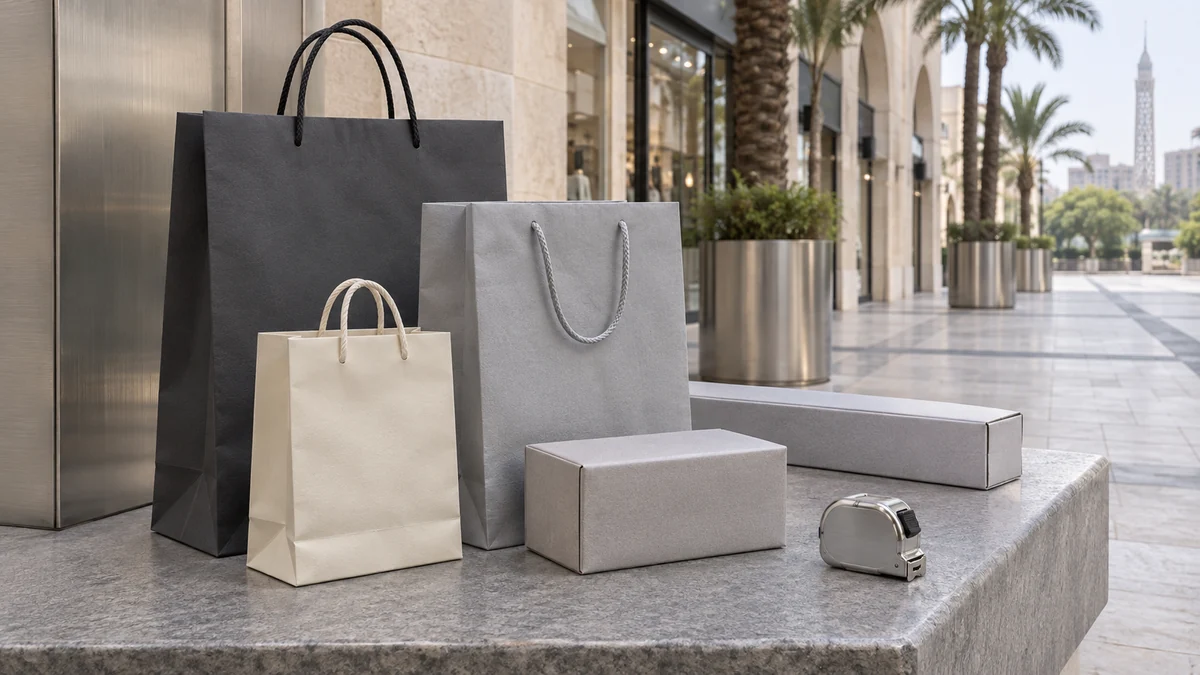
Shopping car rental in Cairo: sedan, Mercedes or passenger van?
Start with the passengers’ needs, then compare the suitable vehicles against the likely purchases. Body shape, luggage access and the arrangement offered for the particular vehicle matter more than a broad category name. A Mercedes is also a specific vehicle choice within the wider comparison; its badge alone does not describe the space available for boxes.
| Option | Useful starting point | What needs checking |
|---|---|---|
| Sedan | Passenger journey with purchases that remain manageable in their packaging | The luggage opening and usable space alongside existing bags |
| Mercedes | A preferred passenger experience or a day that includes another occasion | The specific model and its suitability for the expected shopping |
| Passenger van | A group whose passenger and shopping needs require a different layout | The offered seating arrangement and the remaining secure luggage area |
| Shop delivery plus a passenger car | Large, fragile or transport-sensitive purchases | The retailer’s delivery arrangements, independently of the passenger booking |
Rent a sedan with a driver for a focused shopping trip
A sedan can be a sensible option when the passenger group and the purchases suit the particular car. Think about the return as a complete journey: people should have their intended seats, existing bags should be accounted for, and new purchases should not depend on someone holding a bulky carton throughout the trip. Seat belts must remain available for their intended use. A short distance does not make an unsuitable arrangement practical.
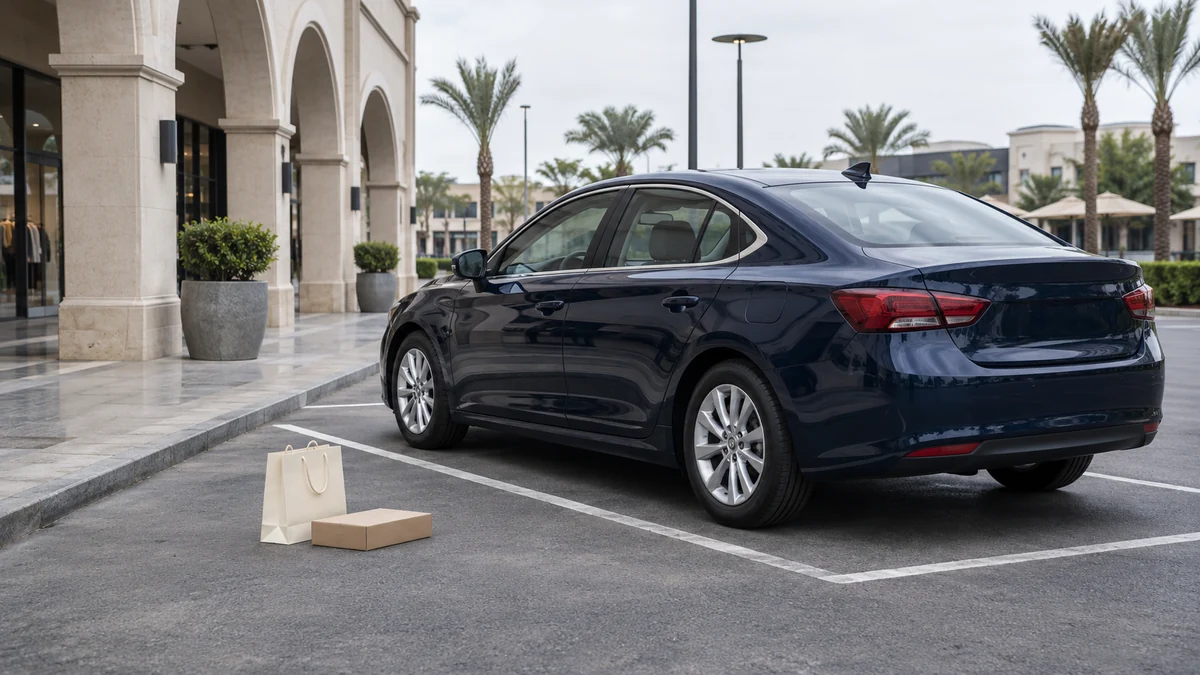
Ask about the luggage compartment and its opening together. A space can look generous in a picture while its access limits the shape that can be placed inside. If the shopping plan changes from clothing to boxed homeware, reassess that change before leaving the retailer rather than treating the original car choice as confirmation for the new purchase.
Rent a Mercedes with a driver when the passenger journey matters
You may prefer a Mercedes because shopping is one part of a day that also includes dinner, meeting guests or returning to a hotel. Explain that preference alongside the practical shopping details. It helps the booking contact understand why you are considering the car, while keeping the decision grounded in the passengers and purchases rather than an assumed difference in luggage space.
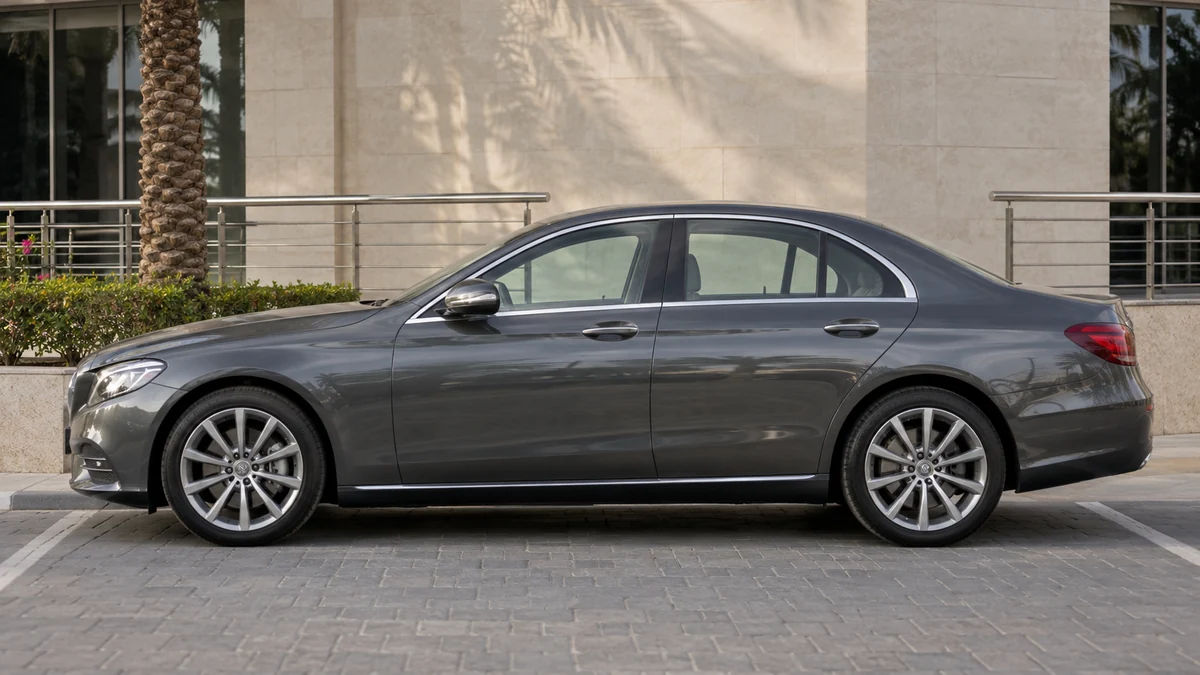
Use the car catalogue as a starting point for discussing a vehicle, then confirm the model and relevant details directly. A category or photograph helps frame the enquiry; it does not confirm the offered car or the room available for your purchases. Our guide to confirming the car model and equipment before booking explains why a category description or illustration should not be treated as confirmation of the car allocated to your journey.
Ask about passenger van rental when the whole group needs a different layout
A passenger van is worth discussing when the group’s seating needs and likely purchases call for a different arrangement from a sedan. Describe everyone travelling and the items expected on the return, then ask what vehicle and layout can actually be offered. Do not infer a fixed number of usable luggage spaces from the van category or from the outside size of a vehicle.
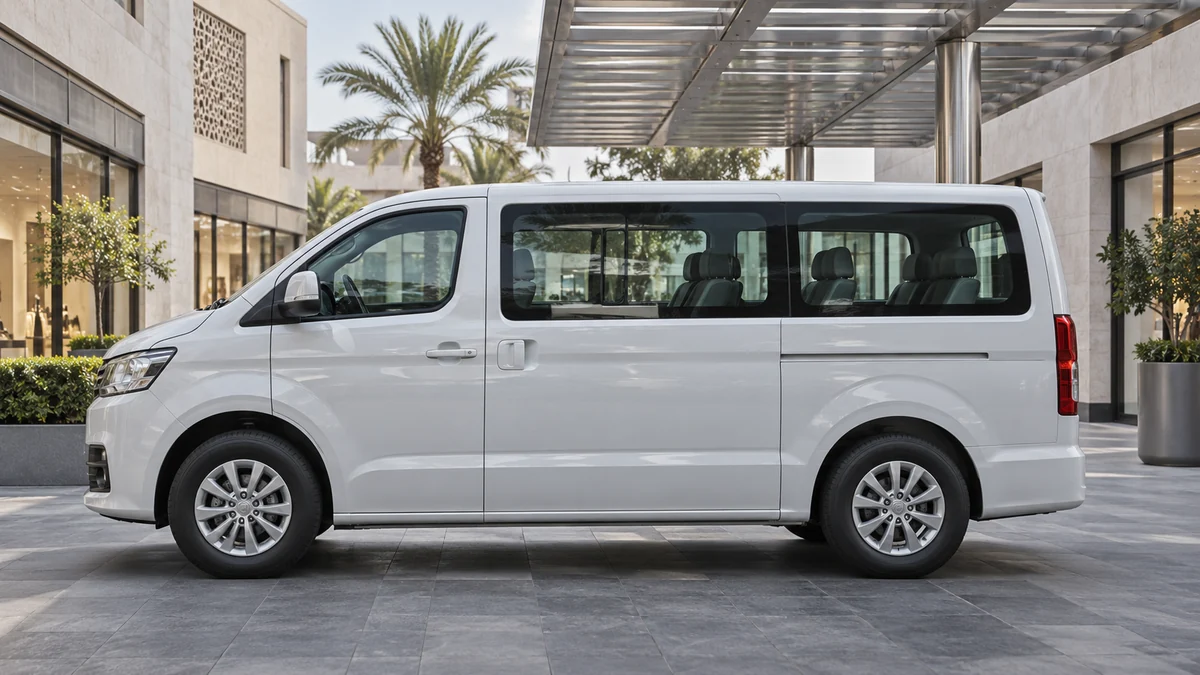
A passenger van remains a passenger transport choice, not an automatic substitute for a goods vehicle. Folding or removing seats, transporting unusually shaped purchases or accepting commercial loads should never be assumed. If the purchase needs specialist handling or separate delivery, moving up to a larger passenger vehicle may still leave the real transport problem unresolved.
Check how purchases reach the car before leaving the shop
Ask the retailer where purchases are collected and how they can be brought to the agreed meeting point. A payment counter, collection desk and vehicle access area may be in different places. Confirm the relevant arrangements with the venue or shop; the car booking itself does not establish permission to stop at a loading entrance or provide shop staff to carry purchases.
Consider the route between the shop and the car as well as the space inside it. A bulky carton can be difficult to move through doors, lifts or pedestrian areas even before vehicle fit becomes relevant. Before loading, inspect the outside packaging with the retailer and clarify any visible damage or missing protection. Keep responsibility for packing and any special handling clear with the retailer, and ask about any assistance needed rather than assuming it is included in the passenger service.
When a shopping purchase does not belong in a passenger car
Stop and reconsider if a purchase would occupy a passenger’s intended seat, obstruct access or visibility, require an open door or luggage lid, or depend on improvised restraint. Furniture, long items and substantial appliances deserve particular attention because their transport requirements can differ from ordinary shopping bags. The product’s packed dimensions and handling requirements determine the next step.
Do not buy on the assumption that the driver will find a way to make it fit. Ask the retailer about appropriate delivery before completing a purchase that may exceed the agreed passenger transport plan. This is a decision about the goods and their packaging, not a reason to promise that any particular sedan or van will accept them.
Use shop delivery for goods and car rental for passengers when appropriate
Separating the two journeys can be the clearer arrangement. The retailer handles delivery of a large or delicate purchase under terms you confirm with the retailer, while the passenger booking covers the journeys agreed with Limousine Cairo. Establish the delivery address, receipt arrangements and any building-access requirements directly with the shop before relying on that option.
Keep the retailer’s collection or delivery documents and identify which items remain with the shop. The goods and passengers do not necessarily need to arrive together. If someone must receive the delivery, check that person’s availability separately and avoid building the car itinerary around an unconfirmed delivery window. Asking about shop delivery does not mean it is available, included or guaranteed; it is a question to resolve before choosing how the purchase will travel.
Arrange the pickup after shopping without assuming continuous waiting
Tell the booking contact which passenger journeys you need: travel to the shops, another shopping location, the hotel or a different final address. Discuss what happens while you are inside, how you will communicate when ready and how a change will be handled. A return journey and continuous vehicle availability are different arrangements that need a clear agreement.
If a purchase takes longer to collect than expected, communicate the change as soon as it becomes known. Avoid giving a precise ready time before the retailer has confirmed the collection process. Payment time is not necessarily the time when purchases are packed and ready to collect. Confirm that stage with the retailer before updating the expected pickup. The purpose is a shared plan for meeting again, without treating an approximate shopping schedule as a promise about traffic, waiting or immediate vehicle access.
Choose a meeting point the passengers can identify
Share the venue name and the relevant entrance or collection area, then confirm the point where meeting is permitted and practical. A large retail destination may have several entrances with similar descriptions. Use a clear landmark or venue-provided entrance name where available, rather than relying only on “outside the mall”. Check venue directions when the location is unfamiliar.
Before walking out with purchases, confirm that the group is going to the same agreed place. If the shop directs you to another collection point, update the booking contact and check the revised arrangement. Keeping the passengers and goods together during that transition avoids planning one meeting point for people and another, unmentioned location for the purchases.
Keep the shopping itinerary connected to your actual purchases
List the destinations in the order you expect to visit them, but leave room to reconsider an optional stop. A visit for a single boxed item can change the return plan more than several clothing shops. Where practical, understand a retailer’s collection and delivery options before adding that purchase to the day.
Shopping should remain the focus of this enquiry. If the day also includes another purpose, describe it so the passenger journeys are clear rather than presenting a shopping booking as unlimited use. The car rental with a driver service page is the appropriate starting point for discussing the requested journeys with Limousine Cairo.
Review the purchases and passenger space before the return journey
After the final shop, count the bags and cartons, then compare what you bought with the plan discussed. Separate the items travelling with you from those left for shop delivery. Look for changes in packaging, an additional passenger or a new destination. Keep delicate items in the packaging recommended by the retailer and identify anything that needs a different transport arrangement before the group sets off.
Make a final check that each passenger has their intended seat, that access remains clear and that purchases are not placed where they obstruct the driver’s view. Take your personal items, receipts and collection documents with you as appropriate. Purchases should not be left in the vehicle on the assumption that a shopping trip includes storage or responsibility for belongings.
A hypothetical shopping day: clothes first, a boxed lamp later
Consider an illustrative example, not a record of a customer booking. Two adults leave their hotel with one soft overnight bag and plan to buy clothing. They also want to look at a small table lamp. Their initial enquiry includes both passengers, the existing bag, the shopping locations and a requested return to the hotel.
At the homeware shop, they ask for the lamp’s packed carton dimensions and handling instructions before deciding to buy. They share those details rather than saying the lamp is small. If the carton cannot be accommodated appropriately alongside the passengers and existing items, they ask the retailer about delivery. They then confirm the passenger return separately; neither the original enquiry nor the illustration establishes a vehicle’s capacity.
What to send when asking about shopping car rental in Egypt
Send the travel date, passenger details, starting point, shopping destinations and requested final address. Add existing bags and the likely purchases, including packed dimensions for any rigid or delicate item already identified. State whether you want a particular car and whether the purchases remain uncertain, so the enquiry reflects the decision still to be made.
A clear message could read: “We need a car with a driver for two adults, collecting from our hotel, visiting these shopping locations and returning to the hotel. We have one soft bag and expect clothing purchases. We may buy a boxed lamp and will confirm its packed measurements first. Please confirm the suitable vehicle and the arrangements between journeys.” This is an enquiry template, not a service confirmation.
Contact Limousine Cairo by telephone on 01118974446, or send the details through WhatsApp. Confirm the vehicle, requested journeys and any questions about the shopping plan directly before relying on the arrangement.
Choose the car for the people and the actual journey back
A successful shopping transport plan begins with the passengers, existing belongings and likely packed purchases. Compare the offered sedan, Mercedes or passenger van against those needs, clarify the pickup arrangements and keep store delivery available as a separate question for unsuitable goods. The right decision comes from the return journey you need, rather than the number of bags you imagine at the start.
Frequently asked questions
Is a sedan suitable for a shopping trip in Cairo?
It can be, depending on the particular vehicle, passengers, existing belongings and purchases. Check the packed size and access requirements of rigid items rather than assuming every sedan has the same usable luggage space.
Does renting a Mercedes mean more space for shopping?
The brand alone does not establish luggage space. Confirm the specific model and discuss the purchases it needs to accommodate. Passenger preference and practical suitability should be considered together.
Will a passenger van fit every shopping box?
No category name establishes that every box will fit. Check the offered seating layout and the luggage space remaining with all passengers aboard. A passenger van is not automatically a goods vehicle; ask the retailer about appropriate delivery if a purchase needs another transport arrangement.
What if we buy more than expected?
Review the new items and their packaging before purchase or departure, communicate any change and avoid placing purchases where they compromise passenger space or visibility. Do not assume an immediate vehicle change or acceptance of additional goods. If the goods do not suit the agreed passenger journey, ask the shop about appropriate delivery.
Does the booking include furniture transport or storage?
Do not infer either from a passenger car booking. Discuss the requested passenger journeys directly with Limousine Cairo, and ask the retailer about suitable delivery for furniture or other unsuitable purchases. Leaving belongings in the car should not be treated as an included storage service.