
Self-Drive Car Rental in Egypt: Check the Mileage Allowance Before Booking
Before booking self-drive car rental in Egypt, check how the included mileage relates to the journeys you actually expect to make. The rental dates, the proposed car and the distance allowance answer different questions. A weekly booking does not, by itself, tell you how far you can drive under that proposal.
This guide helps you prepare a useful mileage estimate, compare answers from a booking enquiry and identify what remains unclear. It also explains which questions to raise when considering a Corolla, Elantra CN7, Mercedes or Tucson. The actual vehicle, its availability for the requested service and the applicable terms need confirmation during booking.
Self-Drive Car Rental: Check Distance Before Choosing a Quote
Included mileage deserves its own question before you choose a car. State the dates, the type of use and your estimated driving, then ask which allowance applies to the specific proposal. A quotation that identifies a model and a period may still leave the distance calculation unresolved.
Use the Limousine Cairo service information to identify the type of rental you want to discuss. For self-drive, explain that you will drive the proposed car yourself. This keeps the mileage enquiry connected to the intended service rather than to a different arrangement involving a driver.
The Car Rental Period Does Not Define Included Mileage
The current Limousine Cairo car collection describes self-drive rental from seven days. Confirm the actual dates, vehicle availability and booking requirements when enquiring. That starting period concerns rental duration; it does not establish a daily distance limit or a whole-period allowance.
Treat duration and distance as separate lines in your notes. Ask which days count towards any mileage calculation and whether the relevant period follows the agreed collection and return arrangement. Do not translate the absence of a maximum rental duration into a promise of unlimited kilometres.
Build a Mileage Estimate from Your Actual Itinerary
Build your estimate from places you expect to visit during the rental. Begin with ordinary journeys, then add the longer day you already have in mind. Keep the plan practical: a list of journey types and approximate distances is more useful than an unsupported request for a car suitable for lots of driving.
Map distances can help you estimate, but they are planning figures rather than an agreed allowance or a promise of the distance ultimately driven. You can discuss the relevant area and proposed use without sending unnecessary personal information about every private stop. Identify uncertain journeys as uncertain instead of silently leaving them out.
Include Repeated Journeys and Return Legs
Count repeated outward and return legs separately in your own plan. A familiar journey between two places can become a substantial part of a week when repeated. Add the local journeys you already expect between those main trips, rather than counting only the first journey away from your accommodation.
Review the list by day so that a missing return or recurring errand is easier to spot. If another traveller is planning some of the stops, combine the intended journeys before discussing the quote. This gives the booking contact one coherent description of expected use, rather than several incomplete accounts. If an additional person is expected to drive, ask separately whether that driver can be agreed; a total mileage estimate does not establish approval for another driver.
A Long Driving Day Is Different from a Daily Average
A daily average can conceal a longer driving day. If most days involve short local journeys but one day includes an extended trip, preserve that pattern in your enquiry. Dividing the whole estimate by the rental period is useful arithmetic, but it does not establish how the proposed allowance works.
Ask whether the terms assess each day separately or the rental as a whole. A quiet day should not be treated as a bank of distance for another day unless the actual arrangement allows that. Resolve this distinction before relying on an average that appears comfortably below a figure you have been given.
Ask About the Mileage Included in the Car Rental Quote
Ask for the mileage included in the actual car rental proposal and the basis on which it is measured. The useful answer identifies the allowance and how it applies to your dates. If the reply gives a distance without explaining the period it covers, ask for that missing part.
Some current vehicle information describes included mileage as agreed when booking. That wording is a reason to clarify your proposal, rather than infer a common number for every car. Do not assume that an allowance mentioned for a different rental or another provider applies to the car you are discussing.
Daily Allowance or a Whole-Rental Total? Clarify the Calculation
A daily allowance and a whole-rental total are different ways of expressing a limit. Under the first description, you need to understand what counts as a day and how individual days are assessed. Under the second, you need to understand the complete period covered by the stated total.
Neither description automatically answers what happens to unused distance, a changed return time or a longer driving day. Ask those questions explicitly where they matter to your plan. Multiplying a daily figure by the number of days does not, on its own, turn separate daily terms into an interchangeable combined allowance.
Where Does the Mileage Calculation Start and End?
Clarify where the mileage calculation begins and ends. Ask which collection and return readings will be used and how they relate to the handover locations in your request. If the proposed arrangement involves moving the car to or from a different point, ask how that movement is treated.
This is a question to resolve, not a statement that delivery distance is always included or always excluded. Keep the answer with the rest of the booking details so that the agreed allowance and the starting record refer to the same arrangement. A distance figure without a clear baseline leaves an important part unanswered.
Mileage, Fuel and Permitted Use Are Separate Questions
Included mileage does not establish that fuel is included. Ask about fuel arrangements separately and keep the answer distinct from the distance allowance. Similarly, an estimate of how far a car might travel before refuelling is not the mileage included in a rental proposal.
The distance allowance also does not establish permission for every intended destination or type of use. Explain the relevant travel area and any longer trip you want to discuss. If a journey changes, raise that change rather than treating unused kilometres as approval for a different use. Vehicle category and destination suitability need their own answers.
Compare Rental Cars Against One Mileage Plan
Compare proposed cars against the same dates and journey plan. Changing the estimate between enquiries makes it harder to understand why the answers differ. Start with the passengers, bags and expected use, then record the mileage terms alongside each actual car being considered.
The guide to confirming the car model and equipment covers the separate vehicle checks. A model name identifies an option to discuss; it does not confirm its self-drive availability or the distance allowance for your booking. Review the actual proposal if an alternative car is suggested.
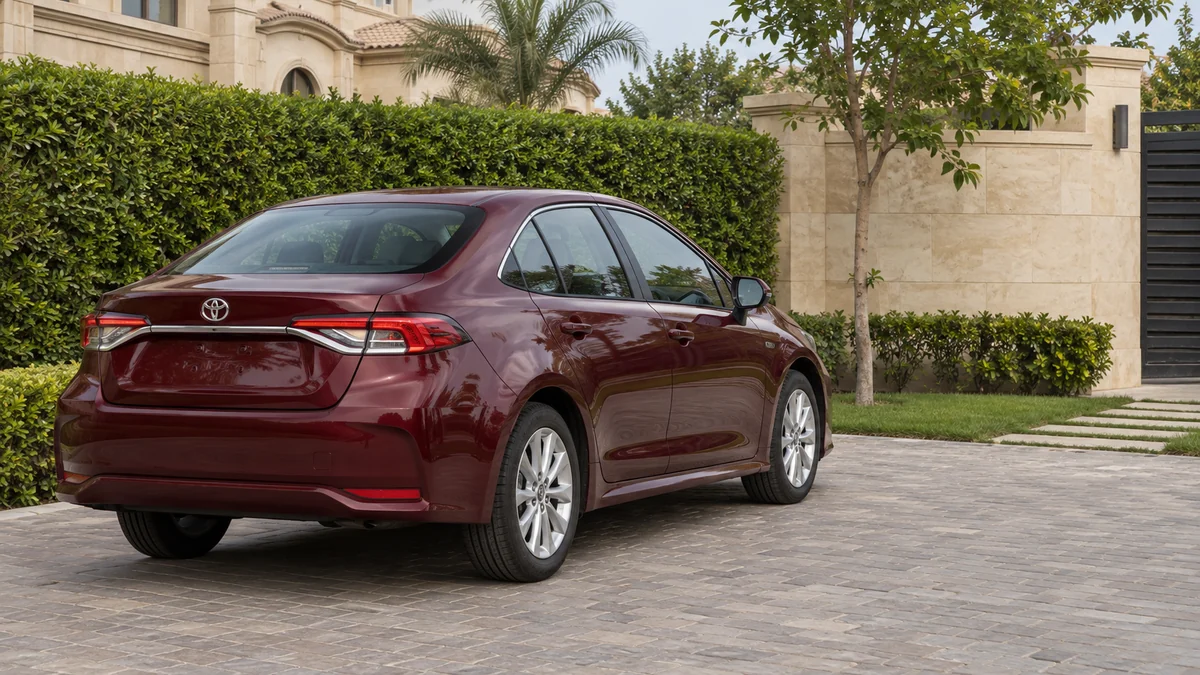
Toyota Corolla Rental: Describe Repeated Daily Journeys
For Toyota Corolla rental, describe the pattern of ordinary repeated journeys you expect to make. A sedan may be on your shortlist for that routine, but the useful mileage question concerns the complete outward-and-return plan. Include recurring local stops instead of discussing only the longest individual journey.
Check the actual passenger and bag arrangement separately from the allowance. Do not assume that choosing a Corolla settles either question or establishes a particular fuel consumption. If a Corolla is proposed for your dates, compare its stated mileage terms with the same plan you would send when enquiring about another car.
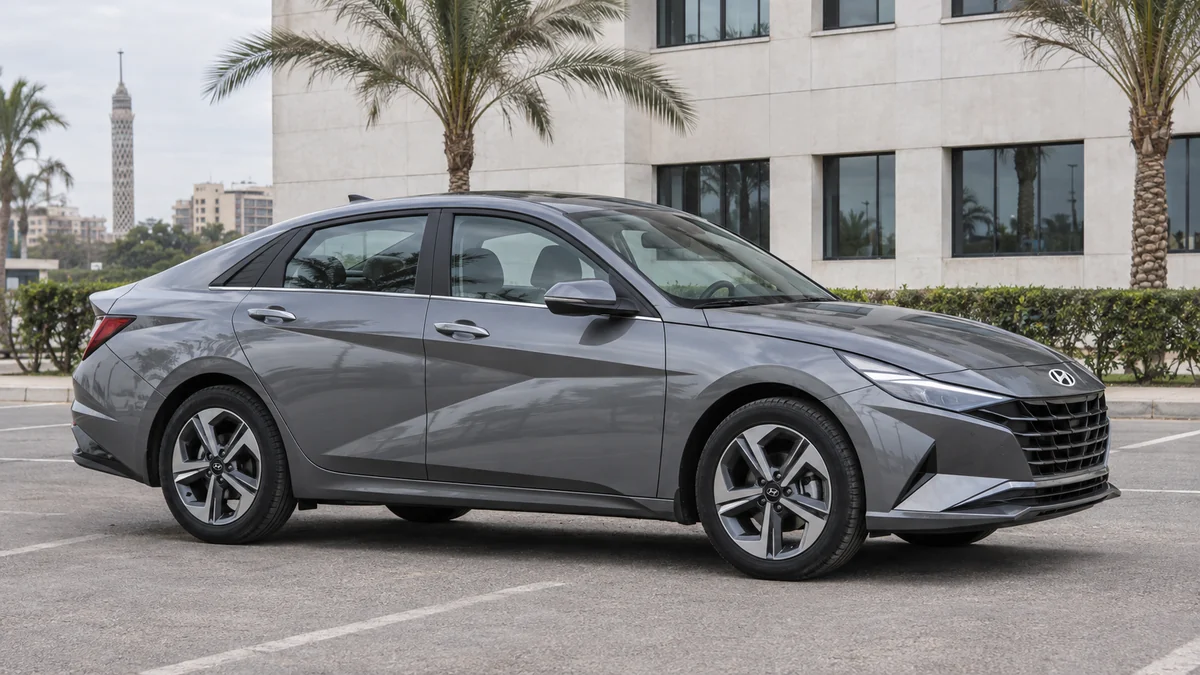
Hyundai Elantra CN7 Rental: Compare Busy and Quiet Days
For Hyundai Elantra CN7 rental, explain the contrast between busy and quiet days. CN7 identifies the model designation being discussed; it is not a mileage package or a code for an allowance. Ask whether the proposed calculation accommodates your pattern of use rather than inferring terms from the model name.
If one day involves several journeys while another is mostly stationary, keep both in the weekly description. Ask how each would be treated under the actual arrangement. The car itself still needs confirmation for the passengers and belongings travelling, and a different model year or appearance does not establish a different mileage policy.
Rent a Mercedes: The Badge Does Not Define the Mileage Terms
If you would like to rent a Mercedes, explain the brand preference together with the same mileage plan. Ask which specific car and service are proposed for your dates. Do not assume that a preference for a premium badge confirms self-drive availability, a larger allowance or unlimited driving.
Where an alternative Mercedes is suggested, check the terms again rather than carrying an earlier answer across by assumption. Keep comfort and equipment preferences separate from distance questions. A Mercedes sedan illustration helps identify the broad vehicle type, while the exact model and its booking arrangements require an answer about the actual proposal.

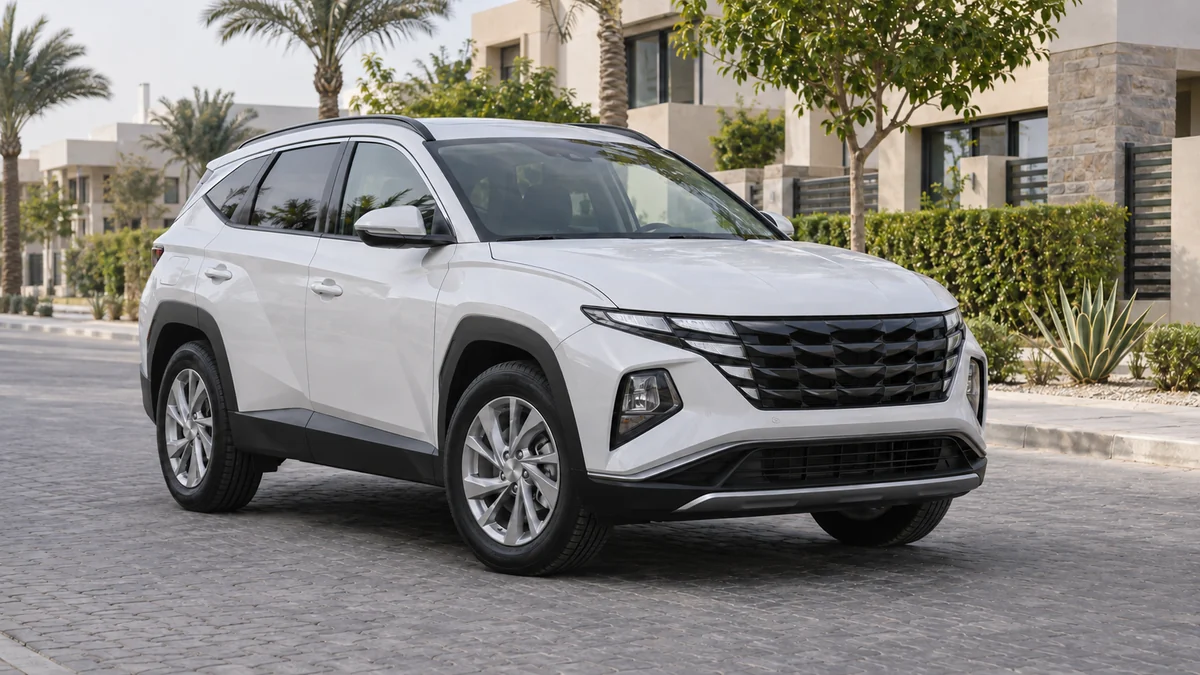
Hyundai Tucson SUV Rental: Check Mileage and Intended Use Together
For Hyundai Tucson SUV rental, consider the actual space you need and the intended driving plan together. If an SUV is on your shortlist because of your passenger or bag requirements, describe those requirements. Its body style does not establish the seating or luggage arrangement of the proposed car.
Then ask which mileage terms apply to that Tucson proposal and whether your intended use can be agreed. A larger-looking vehicle does not imply a larger distance allowance or permission for every road or destination. Keep any longer trip visible in the enquiry, even when most of the rental involves familiar local journeys.
Compare Two Quotes Without Reducing the Decision to a Daily Rate
Use the table to record answers to two actual proposals. The letters are note-taking labels, not descriptions of existing offers. Complete each row from the reply you receive; leave unanswered points visible instead of filling them with assumptions.
| Item | Quote A | Quote B | Follow-up question |
|---|---|---|---|
| Rental dates | Record the proposed period | Record the proposed period | Do the collection and return details match? |
| Actual car | Identify the proposed vehicle | Identify the proposed vehicle | Is the requested self-drive service confirmed? |
| Allowance basis | Copy the stated basis | Copy the stated basis | Daily assessment or whole-period total? |
| Counting points | Record the start and end | Record the start and end | Which handover readings apply? |
| Unused distance | Record the answer received | Record the answer received | Is any carry-forward expressly provided? |
| Extra distance | Record the calculation explanation | Record the calculation explanation | What remains unclear before booking? |
| Intended use | Record the area discussed | Record the area discussed | Has the longer trip been addressed? |
| Changes | Record the explained process | Record the explained process | What needs another answer if the plan changes? |
Hypothetical Example: A Week with Short Days and One Longer Trip
Consider a hypothetical seven-day self-drive enquiry from one renter, with two adults travelling and two ordinary bags. The plan includes repeated city journeys with returns, one longer day trip and quieter days. The renter asks about a Toyota Corolla if one can be proposed and confirmed for the requested dates. This is a planning example, not a completed booking or an advertised package.
For the calculation only, invent two arrangements: one assesses a combined allowance of 1,050 kilometres for the seven days; the other assesses 150 kilometres independently for each day. Suppose the renter drives 180 kilometres on the first day, 100 on the second and 100 on each of the remaining five days. The total is 780 kilometres. These invented allowances and driving figures are not Limousine Cairo terms or distances for an actual route.
The total is 270 kilometres below the invented combined allowance, while the first day is 30 kilometres above the invented independent daily allowance. That difference explains why the assessment method matters. Unused distance on the quieter days cannot simply be used to cancel the longer day’s difference unless the actual terms provide for it. The comparison does not establish a refund, a charge or a right to transfer mileage.
The renter therefore asks where counting starts and ends, how any extra distance would be assessed and whether the intended use can be agreed. The useful outcome is an answer about the proposed booking, rather than choosing a car because its weekly average appears suitable.
Connect the Agreed Terms to the Collection Odometer Record
Once the mileage terms are clear, connect them to the collection record. With the car parked, identify the odometer reading that forms the agreed baseline and clarify how it is recorded. The total odometer reading, a trip counter and an estimated remaining driving range have different purposes; none should be substituted for another without understanding which record is intended.
Do not reset or alter counters to try to make the arrangement easier to follow. The self-drive return guide addresses the closing process and its records. Here, the priority is making the agreed mileage basis and the recorded starting point consistent, so that you know which reading supports the arrangement discussed before booking.
If the Plan or Car Changes, Review the Mileage Terms Again
If your itinerary changes before booking, send an updated description covering the whole period. Identify any additional longer journey or repeated leg and ask whether the proposed terms still address that use. A small change to a single journey can matter differently from a new daily pattern.
If the car changes, review the mileage answer alongside the replacement proposal. During a rental, contact the booking team before relying on a requested amendment. Sending a message does not itself establish acceptance, an extended allowance or a new return arrangement. Keep the clarified answer with the current booking details.
A Message Template for Car Rental and Mileage Questions
Use this template with your actual information and an estimate you have checked against your own plan:
I would like to enquire about self-drive car rental in Egypt from [collection date] to [return date], for [passengers and bags]. My preferred car is [model, if relevant], subject to availability. My planned use is [journey pattern and travel area], with an estimated distance of [your estimate, if known]. Please clarify included mileage, whether it applies daily or to the whole period, the counting start and end, treatment of unused distance and the excess-mileage calculation. I also need to discuss [longer trip or expected change, if relevant].
Send the enquiry to Limousine Cairo on WhatsApp or call 01118974446. Treat the reply as part of clarifying the request; sending the template alone does not confirm the car or the terms.
When Is the Car Rental Quote Clear Enough to Assess?
A proposal becomes easier to assess when its answers refer to the same car, dates and intended use. Check that the allowance has an explained basis, the beginning and end of counting are clear, and the questions raised by your longer day have been answered.
Read the reply against your original questions rather than relying on a short phrase taken out of the conversation. If a point remains unresolved, ask about that point before depending on the proposal. Keep your itinerary estimate as a planning tool and the agreed mileage terms as a separate record.
Conclusion: Choose the Car After Understanding Included Mileage
Choose self-drive car rental after relating the mileage terms to your actual journeys. Include returns and repeated trips, keep longer days visible and clarify how the allowance is assessed. Compare Corolla, Elantra CN7, Mercedes or Tucson proposals using one consistent plan, with fuel and intended use discussed separately. The available car and the applicable terms are confirmed during booking.
FAQs About Car Rental and Included Mileage
Does a Week of Car Rental Mean Unlimited Mileage?
No such conclusion follows from the period alone. A week describes duration, while included mileage is a separate booking detail. Ask which distance terms apply to the proposed car and dates before relying on unlimited use.
Can I Carry Forward Mileage from Days I Do Not Drive?
Do not assume that unused mileage carries forward. Ask whether the actual terms use separate daily assessments or a whole-period allowance, and whether they provide for any transfer between days. An average calculation does not answer that policy question.
How Do I Check the Excess-Mileage Calculation?
Ask for the calculation basis in the actual proposal before booking. Clarify which allowance applies, how extra distance is identified and how it would be treated. Do not borrow a rate or calculation rule from another provider or an earlier booking.
Do Mileage Allowances Differ Between a Corolla, Mercedes and SUV?
They may depend on the actual proposal, so ask about each car using the same dates and itinerary. A brand name or SUV body style does not establish a particular allowance, a larger entitlement or unlimited kilometres.
Does an Odometer Photograph Establish the Agreement?
A photograph can record a reading, but it does not explain the agreed allowance or its calculation basis. Keep the booking clarifications and the relevant handover record together. Ask about an unclear baseline instead of expecting a photograph to settle every part of the arrangement.